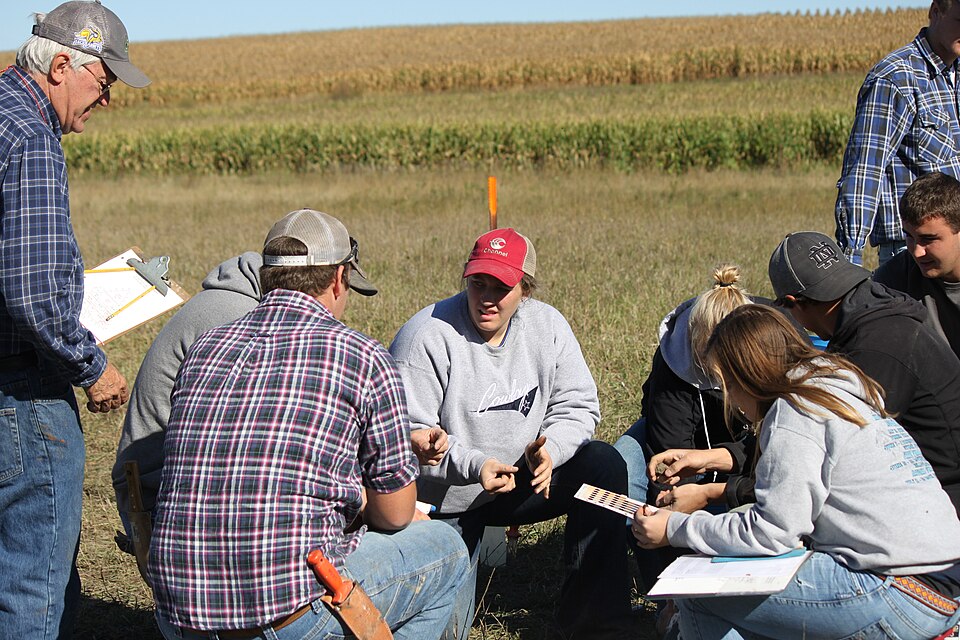
South Dakota State University has received a gift of farmland aimed at expanding student access to precision agriculture technology, a field that has grown rapidly but remains out of reach for many smaller and mid-sized farm operations, according to the American Ag Network.
The donation is intended to help close a gap between what precision agriculture tools can do and how widely those tools are actually being used across the industry. SDSU researchers and students will be able to test and demonstrate equipment and methods on the land, giving future agricultural professionals direct experience with technology they are likely to encounter, or be expected to implement, once they enter the workforce.
Precision agriculture covers a broad range of technologies, including GPS-guided equipment, variable-rate application systems for seeds and fertilizer, drone-based crop scouting, and sensor networks that monitor soil conditions in real time. These tools can improve efficiency and reduce input costs, but the upfront investment required has made adoption uneven, particularly among operations without large capital reserves.
By working with donated farmland, SDSU can run field trials and demonstrations without the financial constraints that would limit what a typical student research program could afford. It also positions the university as a resource for farmers in the region who want to evaluate new tools before committing to purchases.
South Dakota has a significant agricultural economy built around corn, soybeans, wheat, and cattle. Precision agriculture adoption has grown in the state, but extension educators and farm advisors have noted that knowledge gaps still exist, especially among producers transitioning from conventional methods or managing operations that were built around older equipment.
The gift adds to a broader trend of universities partnering with landowners, agribusinesses, and donors to build out applied agriculture research infrastructure. Facilities that can demonstrate real-world outcomes, rather than only theoretical benefits, tend to be more persuasive to producers who are skeptical of new technology.
SDSU has not publicly named the donor or specified the acreage involved in the gift, but the university indicated the land will be integrated into existing precision agriculture programming.