Bird genomes have long frustrated scientists. Now a new computational tool developed at the Wellcome Sanger Institute may change that.
According to Phys.org, researchers at the Sanger Institute created a program called MicroFinder that makes it significantly faster and more accurate to assemble the complete genetic sequences of birds. The tool is described in an article published in the journal GigaScience and has been made freely available to scientists worldwide on GitHub.
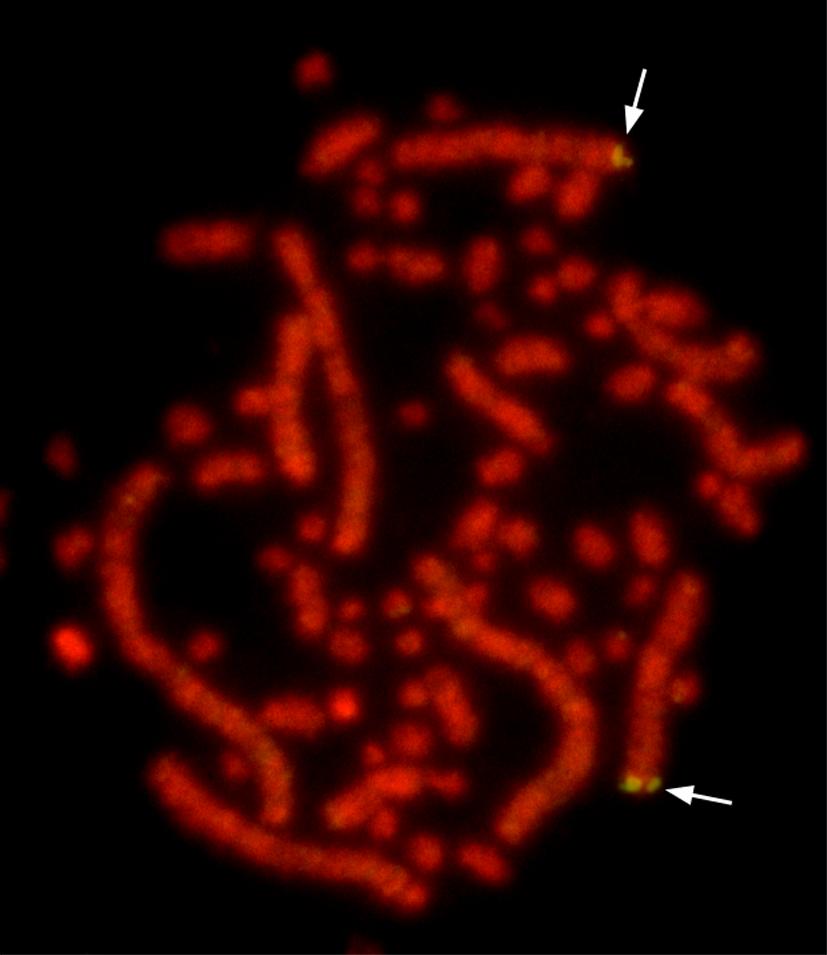
The core problem MicroFinder addresses involves tiny structures called microchromosomes. Bird genomes are unusual because they contain a mix of large chromosomes and extremely small ones, sometimes called dot microchromosomes. These tiny chromosomes often carry repetitive genetic sequences, which makes them hard for computers to sort and assemble correctly. They tend to come out fragmented and scattered, and even high-quality genome projects often miss some of them entirely.
Leaving those chromosomes out of an assembly means the resulting genome is incomplete. An incomplete genome can produce errors in studies of bird evolution, species diversity, and the genetic basis of traits that make different bird species distinct.
MicroFinder works by searching for protein markers that are specific to dot microchromosomes. Researchers identified those markers by analyzing a set of well-curated bird genomes, finding common genes located on dot microchromosomes, and grouping those genes into families. The program then scans a new draft genome assembly for those markers, identifies the scattered fragments that belong to dot microchromosomes, and moves them to the beginning of the assembly. That step makes it much faster for scientists working through the manual process of genome curation to find and correctly place those fragments.
Genome curation is the step that takes an assembled set of DNA sequences and organizes them into a high-quality, chromosome-level genome. It is heavily manual and time-consuming. By flagging the most difficult fragments early, MicroFinder shortens the process considerably.
"MicroFinder provides a simple but effective computational method to help scientists identify and assemble the smallest chromosomes in birds, improving the completeness and accuracy of bird DNA sequences," researchers said, adding that they hope it will have a positive effect on bird biology research and conservation.
Better bird genomes have direct applications in conservation. Genomic data can help researchers identify genetically distinct populations, track diversity within endangered species, and understand what makes certain birds vulnerable to environmental change. Faster and more complete genome assemblies mean that data becomes available sooner and with fewer gaps.
The tool is available now for any research group working on bird genome projects. The Sanger Institute's decision to release it openly on GitHub means research teams without large computational resources can still benefit from it. The program is expected to support a broad range of future work across bird biology, evolution, and biodiversity science.