A case in Findlay, Ohio has put a spotlight on what local officials and advocates describe as a shortage of resources for people experiencing mental health crises, according to a report by Findlay News and The Courier.
When a mental health emergency occurs, law enforcement is often the first to respond. Officers are trained primarily in public safety, not psychiatric care, and they are frequently called to situations that would be better handled by mental health professionals. The gap between what police can provide and what a person in crisis actually needs has been a persistent problem in communities across the country.
The Findlay case illustrated that gap directly. Details of the situation pointed to a person in distress whose needs could not be fully addressed by the resources available at the time. Local officials acknowledged that the existing system leaves families and first responders with limited options when a crisis escalates.
A similar situation unfolded in Fond du Lac, Wisconsin, where an armed man dealing with a mental health crisis was safely taken into custody, according to KFIZ. The outcome was positive, but cases like it raise consistent questions about whether communities have the right infrastructure to handle these emergencies safely and effectively.
First responders working in mental health crisis situations face real risks. In Berkshire County, Massachusetts, a recent awards ceremony honored first responders for their work, and mental health was a specific focus of the recognition, according to iBerkshires. Officials at the event noted that the emotional toll of crisis response on first responders themselves is an ongoing concern.
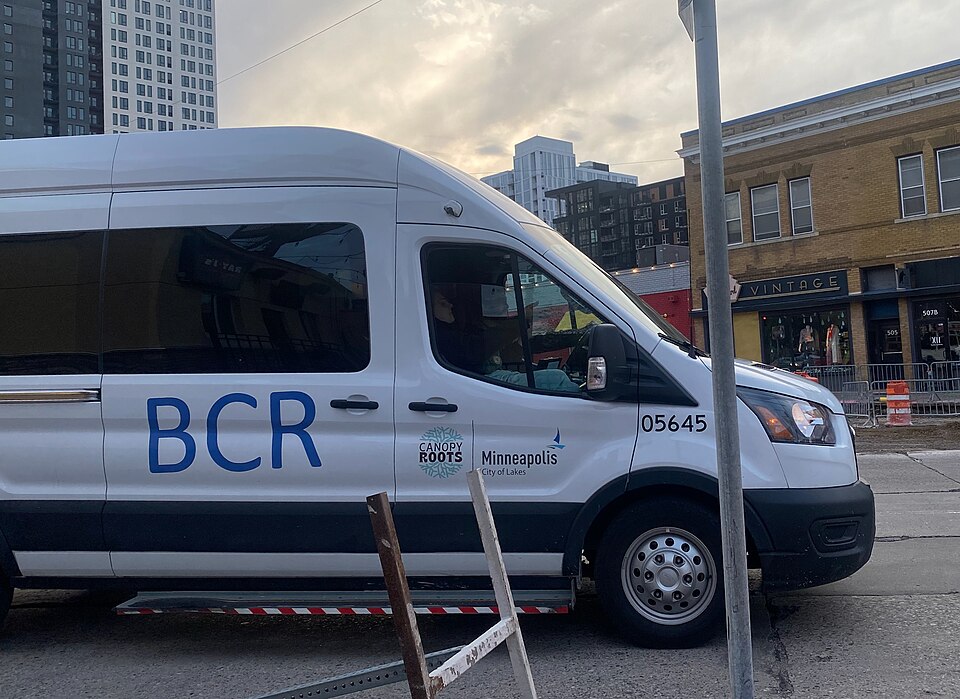
Advocates have called for more co-responder programs, in which mental health clinicians ride alongside or respond separately from police to crisis calls. Some cities and counties have implemented these programs with promising results, but funding and staffing shortages have prevented wider adoption.
The Findlay case is likely to fuel local conversations about what resources need to be added or expanded. County officials and health organizations have not yet announced specific plans in response to the case.