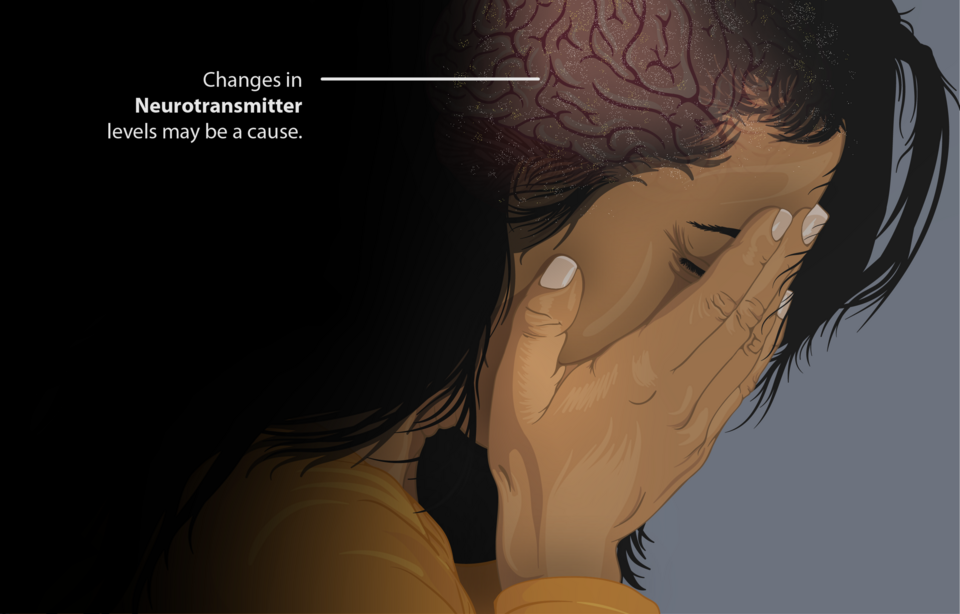
Young people in the United Kingdom are entering the workforce carrying high levels of anxiety, and many are finding it difficult to meet the demands of professional life.
The report describes a generation that has been shaped by social media, the COVID-19 pandemic, and economic uncertainty. These pressures have left many young adults less equipped to handle the everyday stresses of a job, including conflict with colleagues, performance evaluations, and the unwritten rules of workplace culture.
Employers have begun to notice. Some companies report that young workers are more likely to call in sick, request accommodations, or leave jobs entirely when they feel overwhelmed. Human resources professionals and managers are being asked to respond to a level of emotional distress that was not commonly part of their job descriptions in previous decades.
The pattern connects to broader research on how major life transitions affect mental health. Psychology Today has reported that even positive changes, such as starting a new job, graduating, or moving to a new city, can trigger significant psychological strain. The transition from school to work involves a loss of familiar structure, a new social environment, and new performance expectations, all arriving at once. For someone already prone to anxiety, that combination can be destabilizing, according to a report by The Guardian.
Young people in the UK are not unique in this experience. Similar trends have been observed in the United States and other countries where researchers have tracked rising rates of anxiety and depression among people in their late teens and twenties. But the UK report draws particular attention to how those trends are playing out in professional settings, where anxiety can affect not just the individual but teams and organizations around them.
Some employers have responded by expanding mental health benefits, offering flexible scheduling, or bringing in outside support. Others have struggled to find the right balance between accommodating struggling employees and maintaining productivity. There is no single policy that has emerged as a clear solution.
The conversation around workplace mental health is still developing. Researchers, employers, and policymakers are working to understand what level of support is appropriate, what young workers need most, and how to build environments where anxiety does not become a barrier to a career.