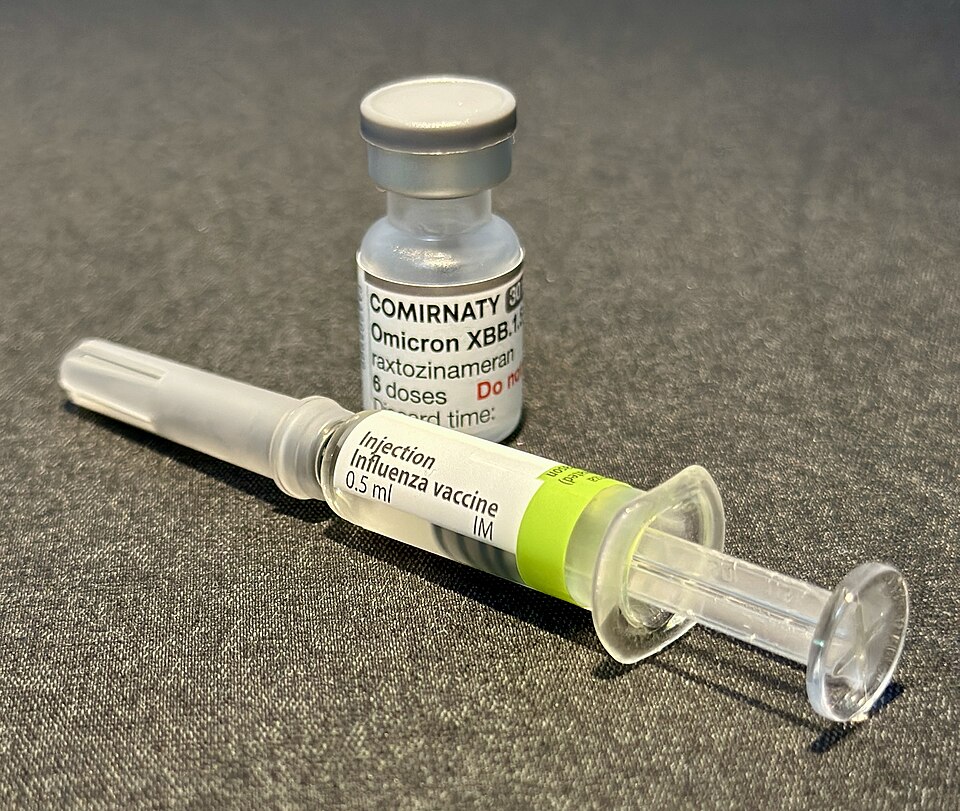
Several US states have rejected bills that would have loosened vaccine requirements, a trend that public health organizations are pointing to as evidence of continued support for immunization programs despite growing pressure from the Make America Healthy Again movement, according to a report by WBKB11.
The MAHA movement, associated with federal health officials including Robert F. Kennedy Jr., has pushed for reduced reliance on vaccines and has questioned the safety and necessity of several immunizations that have been standard in the United States for decades. That political pressure has encouraged anti-vaccine advocates in multiple states to introduce legislation that would limit vaccine mandates for schools, workplaces, and healthcare settings.
Those bills have not found the success their supporters anticipated. State legislatures in several parts of the country have voted them down or allowed them to stall, a result that public health groups are calling encouraging. Organizations that support vaccination have argued that weakening immunization requirements would put vulnerable populations at risk and could reverse decades of progress against preventable diseases.
Vaccine policy has become increasingly contested at both the state and federal level. The Centers for Disease Control and Prevention and other federal agencies have faced pressure to revisit their vaccine guidance, while public health advocates have worked to defend existing recommendations. The tension between those two forces has played out differently depending on the political makeup of individual state legislatures.
Supporters of the rejected bills argued that vaccine mandates infringe on personal freedom and medical autonomy. That argument has gained traction in some communities but has not been enough to move legislation through the majority of state chambers where it has been introduced.
Public health organizations have framed the state-level defeats as a sign that elected officials remain willing to defend immunization programs even in a politically charged environment. They have also warned that the legislative fights are likely to continue in future sessions, and that sustained advocacy will be necessary to maintain existing vaccine policies.
The situation at the federal level remains unsettled. Federal health agencies have seen significant leadership changes, and the long-term direction of national vaccine policy under the current administration is still being determined.