West Texas Intermediate crude futures fell about 5% to $91.65 per barrel Sunday evening after President Donald Trump posted on social media that negotiations with Iran over the Strait of Hormuz were moving forward. International benchmark Brent crude dropped a similar amount, landing at $98.30 per barrel by 7:13 p.m. ET.
According to CNBC, Trump wrote Sunday that "The negotiations are proceeding in an orderly and constructive manner, and I have informed my representatives not to rush into a deal in that time is on our side." He added that the U.S. blockade of Iran's ports and vessels would remain in "full force and effect until an agreement is reached, certified, and signed."
The drop came after a turbulent stretch for energy markets. U.S. crude lost more than 8% last week and Brent tumbled more than 5% after Trump said he had called off imminent airstrikes against Iran to allow more time for diplomacy. Despite last week's pullback, prices have still surged more than 30% since the U.S. and Israel launched airstrikes against Iran on Feb. 28.
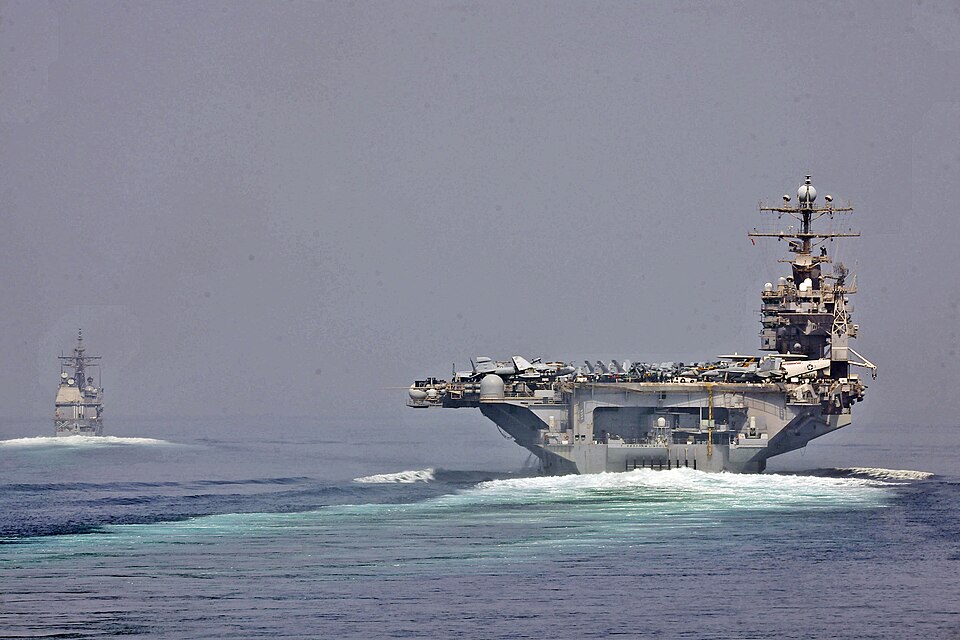
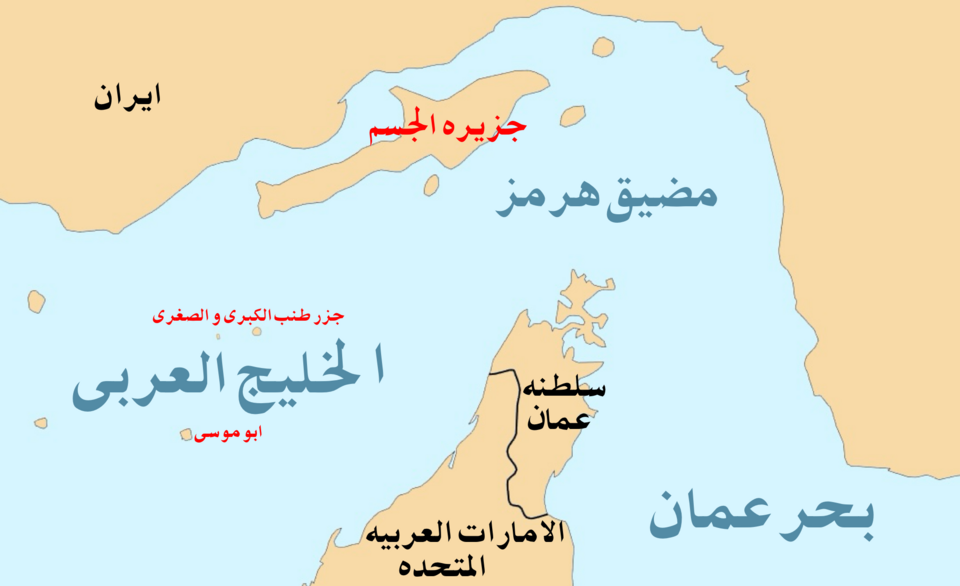
Iran imposed a de facto blockade on shipping through the Strait of Hormuz in early March, requiring vessels to receive Iranian permission before passing or risk attack. The blockade followed airstrikes that killed Supreme Leader Ayatollah Ali Khamenei and other top Iranian leadership. Before the war, roughly 20% of global oil supply passed through the strait each day, making the closure what analysts have described as the largest supply disruption in history.
Trump said Saturday that an agreement to open Hormuz, among other issues, was largely negotiated and would be announced soon. He has made similar statements before, only for tensions to rise again and oil prices to spike higher.
Even if a deal is reached and the strait reopens, some bond strategists say borrowing costs may not fall as far as markets expect. A Bloomberg analysis found that so-called real yields, which strip out inflation, have been driving longer-term rates higher in the U.S., not just war-related inflation fears.
Jonathan Hill, head of U.S. inflation strategy at Barclays, said the inflation explanation does not fully hold up. "The argument that duration is selling off globally due to inflation fears is hard to square with market pricing of medium- and long-term inflation risk," he said. "Instead, the interaction between rising debt levels, potentially higher neutral rates, and AI could be driving real rates higher."
Strategists at ING Bank, Goldman Sachs, and Barclays have all flagged the same concern: that yields may stay elevated even after the conflict ends. Hill noted that 10-year inflation breakevens in the U.S. are 50 basis points below where they were in the first half of 2022, when the Federal Reserve was raising rates aggressively. The 5-year, 5-year breakeven rate, a closely watched measure of medium-term inflation expectations, was sitting around 2.2% as of recent trading, roughly where it stood in December.
Economists at Bank of America, Claudio Irigoyen and Antonio Gabriel, have been tracking shifts in the yield curve to understand what is driving bond markets. "In an environment where Fed could potentially be on the table and become a driver of even larger fiscal deficits amid rising debt servicing costs, the long end of the curve becomes more sensitive to what should be primarily a move in short-end rates," they said.
Other factors cited include the ballooning size of public debt and the surge in investment tied to artificial intelligence. Bloomberg's analysis found that in the U.S., rising real yields account for most of the move higher in overall yields, while inflation expectations remain the larger driver in Japan and Germany. Strategists warned that long-term rates "could find themselves a tad stranded at elevated" levels even after a peace agreement is signed.
Trump has not announced a final deal with Iran. Talks are continuing.