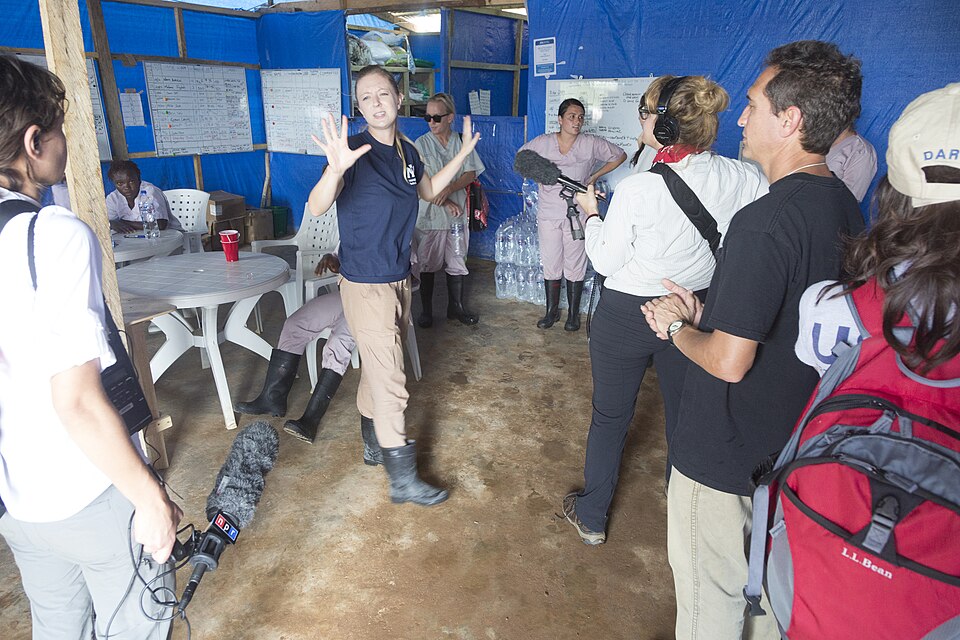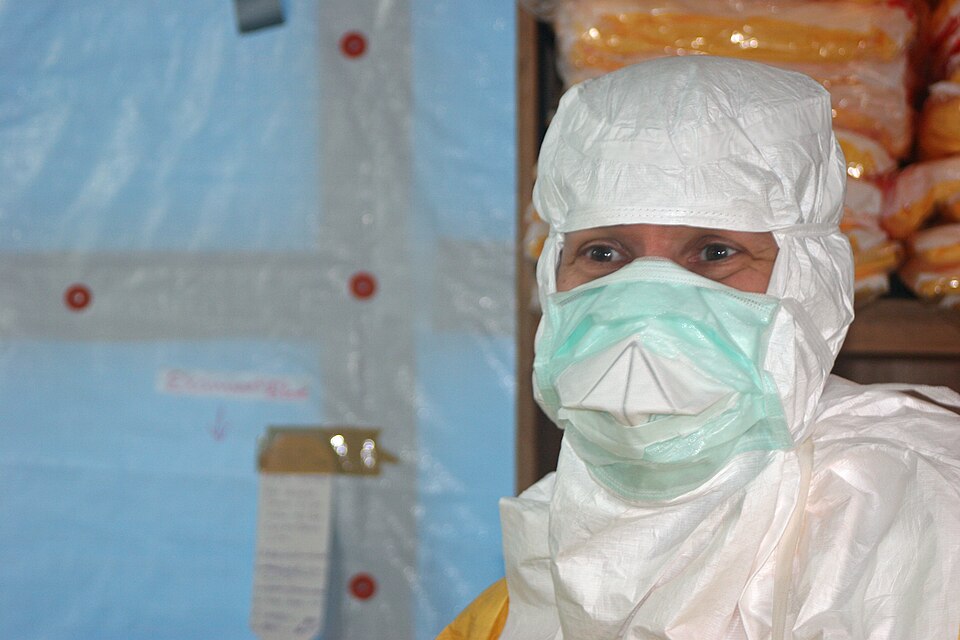
A group of young men stormed a hospital in the Democratic Republic of Congo that was treating Ebola patients, demanding the bodies of their deceased relatives, according to U.S. News and World Report.
The men forced their way into the facility. Ebola treatment units operate under strict protocols because the virus spreads through direct contact with the bodily fluids of infected people, including after death. Unsafe handling of Ebola victims' bodies has historically been one of the primary drivers of outbreak spread.
The incident reflects the deep tension that often exists between health authorities and local communities during disease outbreaks. Families frequently resist the clinical management of their loved ones' remains, which can conflict with religious and cultural burial practices that call for physical contact with the deceased.
Congo has experienced more Ebola outbreaks than any other country. Response teams have consistently identified community mistrust as one of the hardest obstacles to controlling the virus. In previous outbreaks, attacks on health workers and treatment facilities have been documented, sometimes forcing responders to suspend operations temporarily.
The details of what happened after the men entered the facility were not fully reported. It was not clear from available reporting whether any bodies were removed or whether patients or health workers were harmed during the incident.
Public health officials have long emphasized community engagement as a critical tool in managing Ebola response. Without cooperation from local populations, contact tracing and safe burial programs cannot function effectively.
The current outbreak's status and the response by Congolese health authorities and international organizations following the hospital incident were not detailed in available reporting as of May 25, 2026.