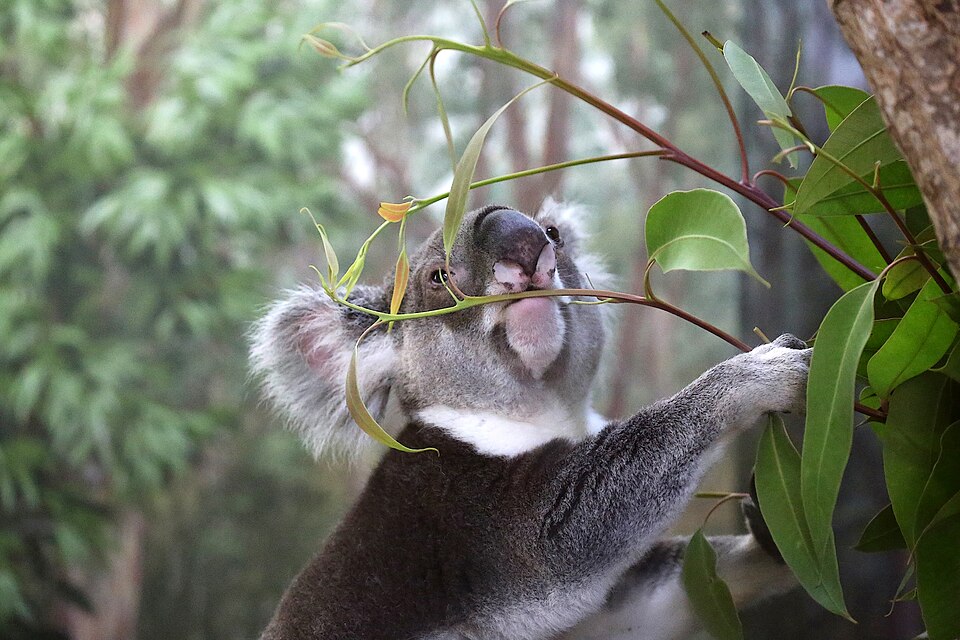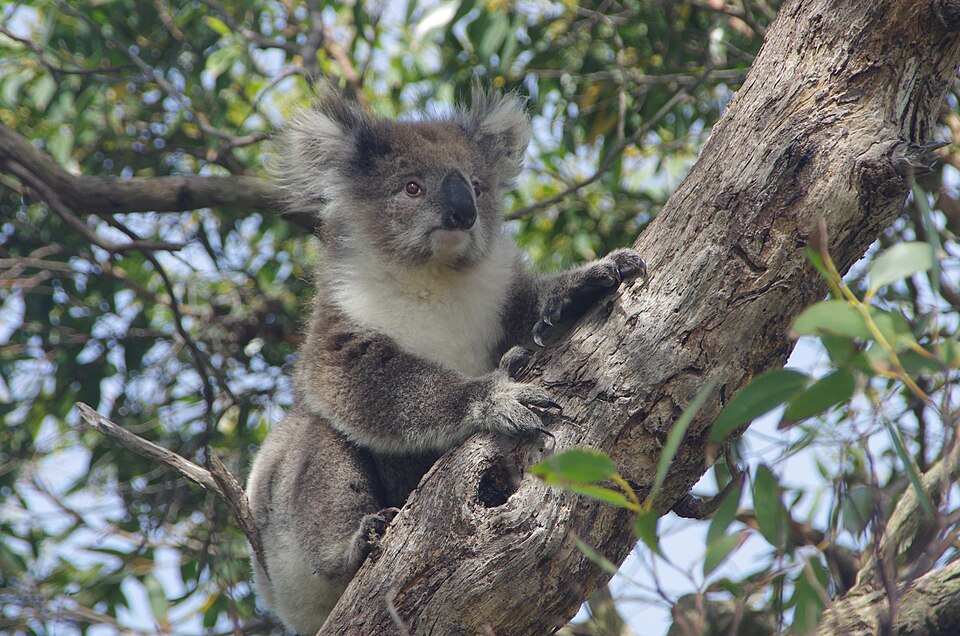
New research has found that koalas face sharply higher odds of hospitalization and death once seven-day maximum daily temperatures climb above 27 degrees Celsius. Koalas exposed to temperatures above 30 degrees Celsius were 1.5 to 3.5 times more likely to be admitted to a hospital or to die compared to those living in areas where the seven-day average sat at 25 degrees Celsius, which was the mean temperature during the study period.
According to a report published in Biology Letters, the study was led by Dr. Valentina Mella of the Sydney School of Veterinary Sciences. Her team drew on hospital admission records of almost 12,000 koalas in New South Wales collected between 2020 and 2022. The records came from three koala hospitals and one rescue service. Researchers then mapped admissions and deaths against seven-day and 14-day average temperatures leading up to and following each admission date, as well as the location of each koala rescue.
"From there, we were able to assess the probability of each admission and death being associated with temperature," said Dr. Mella.
Koalas in inland northwest New South Wales were found to be particularly vulnerable. The Gunnedah region in the Liverpool Plains, once widely known as the koala capital of the world, drew particular attention in the findings.
"Our findings show a continued rise in air temperature and increased frequency of droughts are a serious threat to koalas in inland northwest New South Wales. Adding weight to this is confirmation that the inland koala population in Gunnedah in the Liverpool Plains, once considered the koala capital of the world, is now functionally extinct," said Dr. Mella.
The research represents a step forward from earlier work on the subject. Previous evidence on heat and koala mortality relied on observational data, which is less robust and more anecdotal and individualized, according to Dr. Mella.
"This research provides the most comprehensive link between rising temperatures and koala mortality," she said.
Heat stress occurs when elevated core temperature from heat generation within the body outweighs a mammal's ability to lose body heat. Tree-dwelling species like koalas are often most vulnerable because of their limited heat tolerance and limits to where they can forage. The species does have some natural advantages. Koalas have a low metabolic rate, which reduces internal heat generation. Their dense fur insulates against temperature extremes, and their highly efficient kidneys conserve water, which is crucial for regulating high body temperatures. Koala behaviors such as actively seeking shade and hugging tree trunks also help manage heat in the short term.
But those coping mechanisms have limits, according to Dr. Mella, and the research makes clear that sustained or repeated heat events put populations at serious risk. The findings point to the need to identify and reduce heat-related threats to wildlife as global temperatures continue to rise.