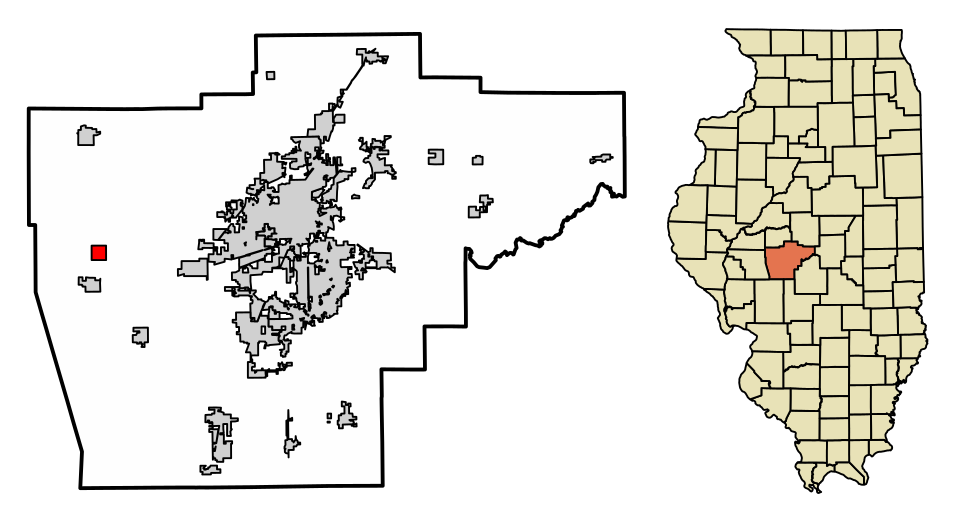
A newly formed mental health committee in Sangamon County held its first official meeting, marking the start of an effort to coordinate and improve mental health services at the local government level, according to Capitol City Now.
The committee's initial session focused on organizational groundwork, which typically includes establishing procedures, identifying priorities, and beginning to map what services already exist in the county and where gaps remain. Details of specific proposals or decisions from the first meeting were limited in early reporting, but the formation of a dedicated mental health committee signals that county leadership has decided the issue warrants its own oversight structure.
Local mental health committees often work alongside or in coordination with nonprofit providers, hospitals, school districts, and state agencies. Their effectiveness can depend heavily on funding access, staff capacity, and the political will of county government to act on recommendations.
In a related development in Pennsylvania, Pathways Forward has been identified as a critical resource for mental health services in Dauphin County, according to TheBurg. The organization provides a range of services to residents who need mental health support and serves as one of the key points of access for people navigating the county's behavioral health system.
Dauphin County, which includes the state capital Harrisburg, faces mental health service demands that reflect broader trends across mid-sized American cities: rising need, workforce shortages, and limited funding. Pathways Forward's role in that system has drawn attention as policymakers and community members look at how to sustain and expand what is available.
The parallel developments in Sangamon County, Illinois and Dauphin County, Pennsylvania reflect a broader pattern of local governments and community organizations working to fill gaps in mental health care that federal and state systems have not fully addressed. Counties are increasingly becoming the most visible point of response for residents in crisis or seeking ongoing support.