At least one in four NFL players who died recently had evidence of impact-related brain damage, according to a new study reported by U.S. News and World Report.
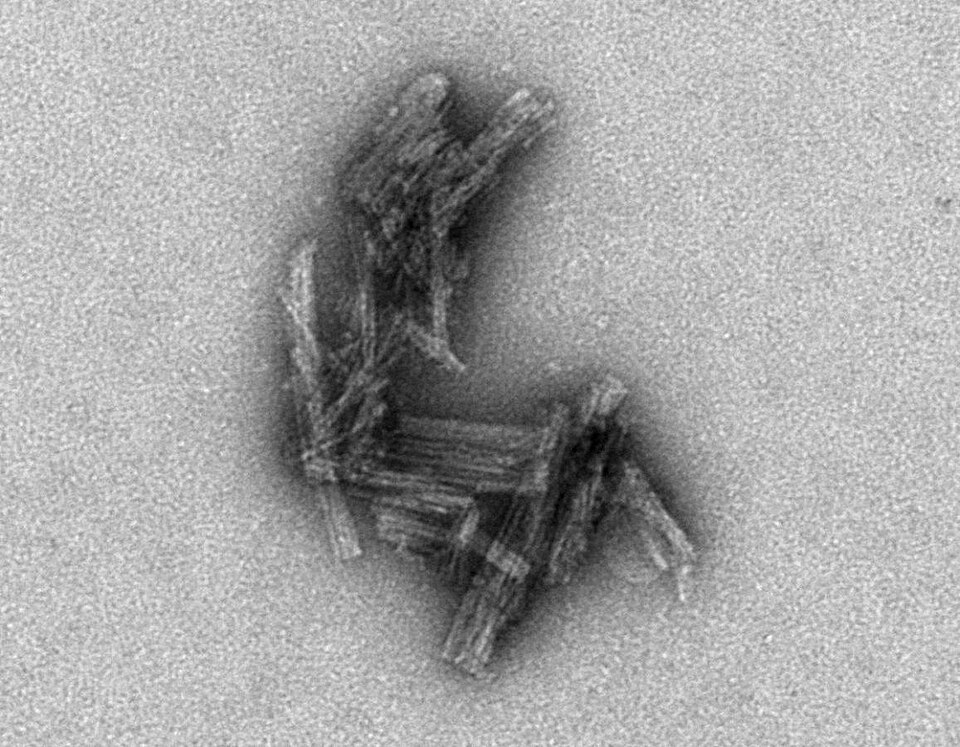
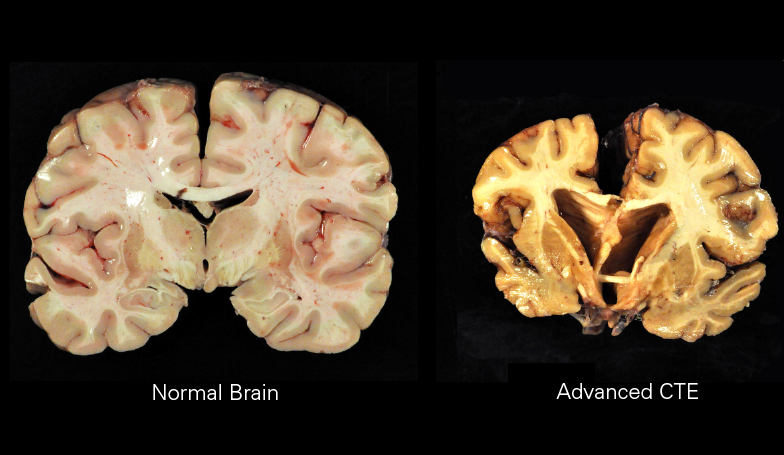
The condition, known as chronic traumatic encephalopathy, or CTE, is a degenerative brain disease linked to repeated head impacts. It can only be diagnosed after death through examination of brain tissue. Researchers looked at a sample of NFL players who had died and found that 25 percent or more showed signs of the disease.
CTE has been a growing concern in professional football for more than a decade. The disease is associated with symptoms that can include memory loss, depression, aggression, and cognitive decline during a patient's lifetime, though those symptoms can also be caused by other conditions, making diagnosis during life difficult.
The findings add to a substantial body of research connecting professional football to long-term brain health risks. Prior large-scale studies, including work done through the VA-BU-CLF Brain Bank, have found CTE in high percentages of donated NFL player brains, though those studies have been criticized for selection bias because families of players who showed symptoms in life were more likely to donate.
This new study contributes to the ongoing effort to understand how widespread the condition is among players who did not necessarily show obvious signs during their lives.
The NFL has spent years revising its rules and protocols around player safety, including changes to kickoff rules, limits on certain practice contact, and an expanded concussion protocol. The league has also funded research into helmet technology and head impact measurement.
Despite those efforts, researchers and neurologists continue to say that the fundamental problem is the nature of the sport itself. Repeated subconcussive hits, the kind that happen on nearly every play, are believed to accumulate damage over time even when no single hit rises to the level of a diagnosable concussion.
CTE cannot currently be diagnosed in living patients, which limits treatment options. Researchers are working to develop biomarkers and imaging techniques that might one day allow for earlier identification, but those tools are not yet clinically available.
The study does not resolve questions about what percentage of all NFL players develop CTE, since brain donation remains voluntary and not all families choose to participate. But the one-in-four figure from recently deceased players represents a significant finding that is likely to keep pressure on the league and on researchers to continue investigating the long-term effects of professional football.