

A 28-year-old Russian lab worker named Darya Shipilova died last week after becoming ill, according to reports. She was admitted to the hospital on September 29 and died on October 2.
Russian officials have said her death was due to pneumonia of unknown cause rather than plague, according to The Guardian. The World Health Organization has stated there is no sign of a larger outbreak related to this case. Russia told the WHO on October 6 that testing had detected no plague.
Shipilova worked at a research institute in Siberia that studies dangerous pathogens including the plague bacterium. About sixty of her colleagues were quarantined at the facility since Friday, sleeping on floors and chairs while tests were conducted.
The Kremlin’s spokesperson Dmitry Peskov told people not to believe rumors but to trust official statements from Russia's health watchdog Rospotrebnadzor.
Washington has been watching the situation closely and has urged Moscow to share more information about what happened. U.S. Secretary of State Marco Rubio said it is important for Russia to provide details to the international community. He added that President Donald Trump had previously expressed willingness to offer help if needed.
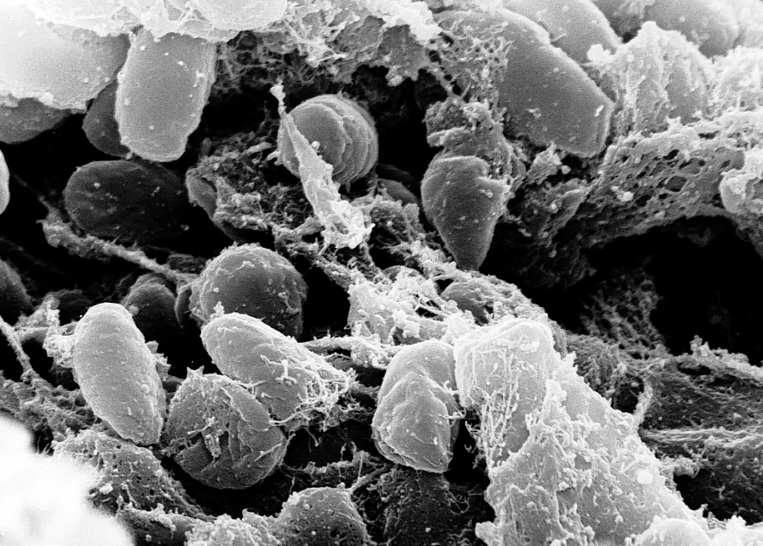
The plague is caused by the bacterium Yersinia pestis and can be transmitted through infected fleas or respiratory droplets in cases of pneumonic plague. One form of the disease causes swollen lymph nodes called buboes and spreads via flea bites, while another affects the lungs.
There are conflicting reports about how Shipilova became ill, with some suggesting she had recently returned from Thailand and others saying she broke a test tube in the lab. Experts have said that while the risk to others is low, full transparency is necessary for public safety.
Professor Ian Jones from the University of Reading offered reassurance but noted that there are still uncertainties in this case. Other health professionals emphasized the importance of being aware of dangerous pathogens and investing more in biosecurity measures.
The situation highlights ongoing concerns about infectious disease control and preparedness in regions like Siberia. Russian authorities continue to investigate the circumstances surrounding Shipilova’s illness and death.
The WHO has reiterated its position that there is no wider outbreak at this time.
Russian officials said on October 6 that no plague had been found among roughly 200 contacts and that most of those initially quarantined had been released.