

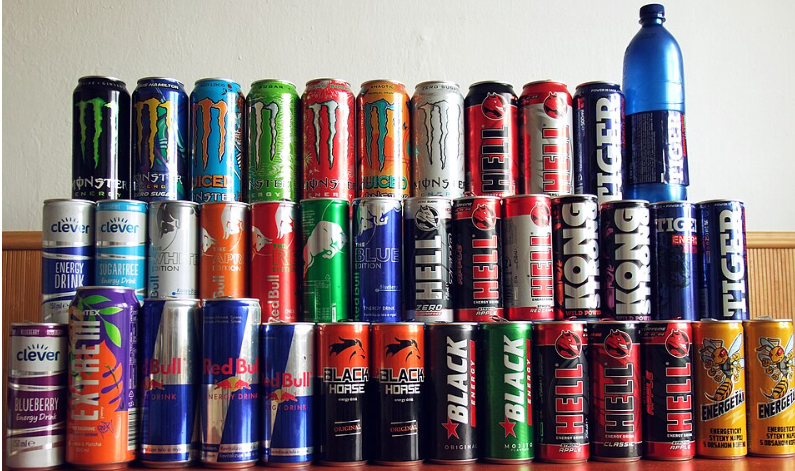
The Welsh government is moving forward with plans to ban the sale of high-caffeine energy drinks to children under 16, following growing concerns about their effects on young people's health. Officials launched a public consultation on November 5, 2026, to determine how the restrictions should be introduced and enforced.
The proposed ban would apply to drinks containing more than 150 milligrams of caffeine per liter, excluding tea and coffee. It follows a similar policy announced in England, where restrictions are expected to begin in April 2027, subject to parliamentary approval.
Wales has not yet established a date for its own ban to take effect. The consultation will remain open until December 17, giving businesses, health professionals, parents and members of the public an opportunity to comment on the proposed rules.
What the Energy Drink Ban Would Cover
Under the Welsh proposal, retailers would be prohibited from selling high-caffeine energy drinks to anyone younger than 16. The restrictions would apply to physical shops and online retailers, while officials are also considering a complete ban on sales through vending machines.
The caffeine threshold is based on existing food labeling rules that identify beverages containing more than 150 milligrams per liter as high in caffeine. Products above that level must already carry warnings that they are not recommended for children or pregnant or breastfeeding women.
A typical 500-milliliter energy drink containing 160 milligrams of caffeine would exceed the proposed threshold. The rule would also cover sugar-free energy drinks if their caffeine content exceeded the limit.
Tea and coffee would remain exempt, even when they contain substantial amounts of caffeine. The government says these beverages have different marketing and consumption patterns from conventional energy drinks, which are frequently promoted through sports, gaming and youth-oriented advertising.
Other products containing caffeine, including chewing gum and caffeine pouches, would not be covered by the current proposal. Officials say the evidence about how young people use those products is less developed.
The Welsh government intends to introduce the restrictions under the Food Safety Act 1990. The consultation focuses on enforcement arrangements rather than reopening the central question of whether restrictions should be pursued.
Health Concerns Drive Proposed Restrictions
The government says research has identified associations between energy drink consumption and several health problems affecting children and teenagers. These include headaches, stomach discomfort, irritability, tiredness, anxiety and reduced sleep quality.
A major scientific review published in the journal Public Health in 2024 examined 57 studies involving more than 1.2 million children and young people across over 21 countries. Researchers from Teesside University and Newcastle University found links between energy drink consumption and poor sleep, psychological distress and lower academic performance.
The researchers also reported associations with substance use and other risk-taking behaviors. However, much of the evidence came from observational studies, meaning it could not establish that energy drinks directly caused every reported problem.
The distinction is important because factors such as existing sleep difficulties, dietary habits and family circumstances may influence both energy drink consumption and health outcomes. Researchers have called for better long-term studies to clarify those relationships.
Caffeine itself is a stimulant that affects the central nervous system. Consuming large amounts can interfere with sleep, particularly when drinks are consumed later in the day.
For school-age children, insufficient sleep can make it harder to concentrate and participate in classroom activities. Health officials also worry about products containing large amounts of added sugar, which can contribute to excessive calorie consumption and dental problems.
Sugar-free versions avoid some of those concerns but can still contain substantial caffeine. The proposed restrictions therefore focus on caffeine content rather than sugar alone.
Young People and Retailers Respond to the Plans
The proposal has received support from some young people in Wales, although opinions differ about whether a legal ban is necessary. BBC Wales interviewed teenagers in Cardiff who described energy drinks as widely available and easy to consume regularly.
One 17-year-old said it was easy to become dependent on the drinks. Another teenager suggested that people seeking caffeine could simply drink coffee instead, highlighting one of the distinctions in the proposed legislation.
Cardiff-based registered dietitian Aisling Pigott supported the public health aims of the proposal but said restrictions alone would not solve broader dietary problems. She described the action as a positive measure while questioning why stronger restrictions had taken so long.
Industry representatives have expressed a different view. The British Soft Drinks Association argues that existing voluntary measures and product warnings already address concerns about children consuming high-caffeine drinks.
The association says its members have agreed not to market or promote these products to children under 16 since 2010. It also notes that high-caffeine beverages already carry mandatory warning labels.
The Association of Convenience Stores has taken a more practical approach to the proposal. Chief executive Ed Woodall said local shops have experience enforcing age restrictions and would apply similar procedures to energy drink sales.
The organization reported that four in five independent retailers surveyed in 2022 already operated some form of voluntary restriction on energy drink sales to young people. However, those policies are not universal and may differ between shops.
Shops Could Face Fines for Breaking the Rules
The Welsh consultation proposes making businesses responsible for preventing sales to customers below the legal age. Local authority food enforcement teams would oversee compliance, including investigations and possible penalties.
Retailers that breach the proposed rules could face prosecution and fines of up to £2,500. Officials are also considering fixed monetary penalties as an alternative to criminal proceedings in appropriate circumstances.
The proposed framework would allow authorities to take account of the seriousness of a violation. Businesses that make genuine mistakes could be treated differently from those repeatedly ignoring the restrictions.
Online sales present another challenge because retailers cannot always verify a customer's age in person. The consultation asks whether age checks should take place when customers place orders, when deliveries arrive or through other reliable methods.
Officials have also raised the possibility of using test purchases to assess compliance. The consultation examines whether existing investigative powers would need to be extended to support certain enforcement activities.
The Welsh government proposes allowing six months between the regulations being finalized and taking effect. That would give retailers time to train employees, update checkout systems and establish procedures for checking customers' ages.
England Plans Similar Restrictions in 2027
Wales is pursuing its proposal as England prepares to introduce its own restrictions. The UK government confirmed in July that it intended to prohibit sales of high-caffeine energy drinks to children under 16 beginning in April 2027.
The English ban is expected to cover supermarkets, convenience stores, restaurants, online shops and vending machines. It would use the same caffeine threshold as the Welsh proposal and exempt tea and coffee.
According to the Department of Health and Social Care, approximately 100,000 children in England are estimated to consume high-caffeine energy drinks daily. Officials say reducing access could support better sleep, concentration and overall health.
The English consultation received substantial public support, with 90% of respondents backing an age-based restriction. Some industry organizations nevertheless questioned whether the evidence justified mandatory controls.
The Welsh government wants broadly consistent rules to reduce confusion for businesses operating across the England-Wales border. Enforcement arrangements may still differ because the two governments have separate administrative responsibilities.
Scotland considered similar restrictions but decided in 2023 not to introduce a mandatory ban at that time. Northern Ireland also has no equivalent statutory restriction, although officials are monitoring developments elsewhere in the United Kingdom.
Wales Consultation Open Until December
The Welsh government previously consulted on energy drink restrictions in 2022 and collected further evidence in 2024. Officials say those exercises provided sufficient support to proceed with plans for legislation.
Deputy Minister for Public and Preventative Health Nerys Evans announced the latest consultation, emphasizing the government's goal of improving children's health and creating more consistent protections across retail settings.
The consultation will help determine the final rules for age verification, penalties, vending machines and implementation. Businesses and local authorities will also be able to explain the practical costs of enforcing the restrictions.
Responses must be submitted by December 17, 2026. After reviewing the feedback, the Welsh government will decide the final form of the regulations and when the restrictions should begin.