

Scientists studying more than 6,800 adults in Japan have identified two opposing patterns of gut bacteria that may help explain how everyday habits influence chronic disease. The findings connect diet, physical activity and other lifestyle factors with microbial changes associated with 15 different illnesses.
The research, published November 5, 2026, in Nature Medicine, suggests that the microorganisms living in the digestive system may play an important role in the relationship between lifestyle and long-term health. Researchers also examined data from 13 independent international studies involving another 3,095 people to test whether the findings extended beyond Japan.
The results offer a broader picture of how the human gut microbiome interacts with the body. Rather than identifying a single harmful or beneficial bacterium, the scientists discovered two distinct patterns of microbial activity associated with healthier or less healthy outcomes.
Two Opposing Patterns of Gut Bacteria
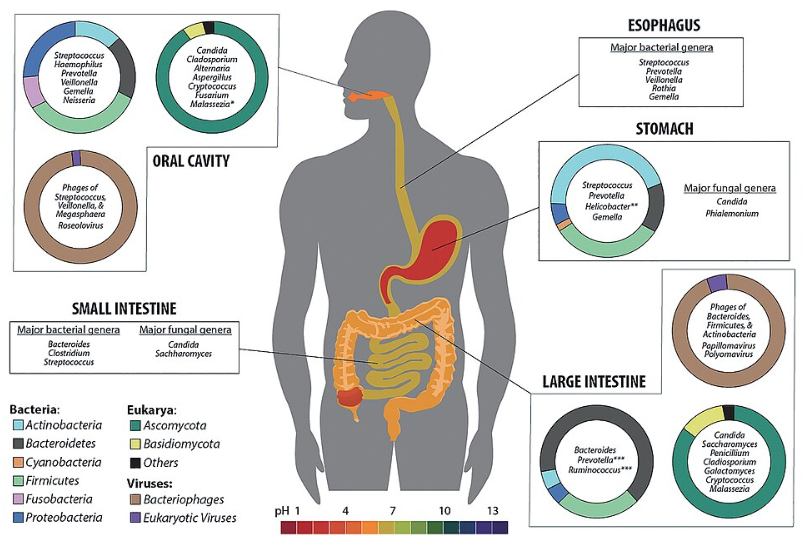
The human digestive system contains trillions of microorganisms, including bacteria that help break down food and produce substances used by the body. Collectively, these organisms and their genetic material make up the gut microbiome.
Researchers identified one bacterial pattern associated with better overall health and another associated with several chronic diseases. The healthier pattern was linked to microbial activity involving dietary fiber and the production of compounds associated with lower inflammation.
The disease-associated pattern contained more bacteria normally found in the mouth, along with organisms capable of contributing to illness under certain conditions. It was also associated with biological signals suggesting greater inflammation.
These differences are important because inflammation is involved in many chronic illnesses. The findings suggest that changes in gut bacteria may be one pathway connecting lifestyle choices with the body's immune and metabolic responses.
What Researchers Discovered About Diet
Diet emerged as one of the strongest factors associated with differences in the gut microbiome. People who consumed more vegetables, fruits, mushrooms and soybean products tended to have higher levels of bacteria associated with favorable health outcomes.
Foods such as tofu, natto and miso were among the soybean products examined. Coffee and several fermented foods were also associated with microbial patterns that researchers classified as health-oriented.
A major finding involved bacteria capable of producing butyrate, a short-chain fatty acid generated when certain microorganisms ferment dietary components, particularly fiber. Butyrate helps support intestinal cells and participates in processes that regulate inflammation.
The researchers found that the healthier bacterial pattern was associated with higher concentrations of short-chain fatty acids and lower levels of several inflammatory markers. This provides a possible biological explanation for some of the health associations observed with fiber-rich diets.
The study also uncovered more complicated relationships involving dairy products. Milk consumption was associated with certain bacteria that are often considered beneficial, but some microbial pathways were linked to unfavorable disease patterns.
These findings suggest that the health effects of food cannot always be predicted by looking at a single bacterial species. The substances produced by those bacteria and their interactions with the body may be equally important.
Refined Carbohydrates and Inflammation
The researchers found different bacterial patterns among participants who consumed more refined carbohydrates, including foods such as white rice and bread, as well as soft drinks. These dietary habits were associated with microbial features more common in the disease-oriented group.
Some of those microorganisms included bacteria ordinarily associated with the mouth. Their increased representation in the intestinal microbiome was linked to changes in microbial fermentation and inflammatory activity.
However, the study did not establish that eating a particular food directly causes chronic disease through the microbiome. The findings describe statistical relationships that require further experimental testing.
Alcohol consumption also produced a complicated picture. Researchers identified both favorable and unfavorable microbial associations, although disease-oriented patterns predominated for several conditions.
Exercise May Influence Gut Bacteria
Physical activity was another important factor in the study. Participants who reported greater activity tended to have microbial patterns associated with better health and higher levels of certain butyrate-producing bacteria.
In contrast, prolonged sitting was associated with bacteria linked to inflammatory activity and several chronic diseases. These included microbial groups that were less common among more physically active participants.
The findings suggest that the benefits of physical activity may extend beyond muscles, cardiovascular fitness and weight management. Exercise may also influence the intestinal environment and the microorganisms that live there.
Researchers examined smoking habits as well. Smoking was associated with microbial patterns more frequently linked to disease, adding another possible pathway through which tobacco exposure may affect health.
Connections to 15 Chronic Diseases
The study included 15 chronic conditions, with researchers examining how microbial patterns differed across diseases. Among the conditions were type 2 diabetes, inflammatory bowel disease, irritable bowel syndrome, depression, rheumatoid arthritis and cardiovascular disease.
Digestive and metabolic disorders showed particularly numerous associations involving gut bacteria. Depression and rheumatoid arthritis also displayed substantial numbers of microbial relationships connected with lifestyle factors.
The investigators used physician-confirmed diagnoses and medical records rather than relying entirely on participants' recollections of their medical histories. They also accounted for factors including age, sex, body mass index and medication use.
The results do not mean that gut bacteria cause all 15 diseases or that modifying the microbiome will prevent them. Instead, they show that many illnesses share microbial patterns associated with lifestyle and health.
Testing the Findings in Other Countries
One question facing microbiome researchers is whether findings from one population apply to people with different diets, genetics and environments. The Japanese study included 6,803 adults with an average age of approximately 61 years.
To investigate broader applicability, the scientists developed a set of microbiome-based prediction scores called MADE, short for Microbiome-based Assessment of Disease and hEalth.
They tested these scores using 13 independent datasets from the United States, China, Sweden, Russia and Australia. Together, those datasets included 3,095 participants.
The scores distinguished disease and comparison groups in most of the external cohorts, with consistent patterns reported in 11 of the 13 datasets. Adding microbiome information to conventional health and lifestyle variables improved discrimination for nine of the 16 health outcomes examined.
The researchers also followed a smaller group of 402 Japanese participants who provided samples at two different times, approximately two years apart. Changes in their bacterial communities were generally consistent with the lifestyle associations observed in the larger analysis.
Could Gut Bacteria Become a Health Screening Tool?
The findings raise the possibility that future medical assessments could use gut bacterial profiles alongside conventional measurements. Such testing might eventually help identify people with microbial characteristics associated with particular diseases.
However, the prediction scores are research tools rather than established clinical tests. The investigators have not demonstrated that using these scores improves patient outcomes or provides a cost-effective screening method.
Another important limitation is that most of the main analysis examined lifestyle, microbiome composition and health at the same time. This makes it difficult to determine whether microbial changes contribute to disease or whether illness itself changes the intestinal environment.
The researchers attempted to account for these complications through statistical testing, follow-up samples and comparisons with international datasets. Even so, controlled intervention studies will be needed to establish which microbial changes directly affect disease risk.
The research also does not prove that probiotic supplements or a particular fermented food can reproduce the benefits associated with an entire dietary pattern. In fact, bacteria introduced through fermented-food starter cultures did not show statistically significant mediation of the observed health effects.
For now, the findings strengthen scientific interest in the gut as a possible connection between lifestyle and chronic illness. The next challenge is determining whether deliberately changing the microbiome can produce measurable improvements in long-term health.