

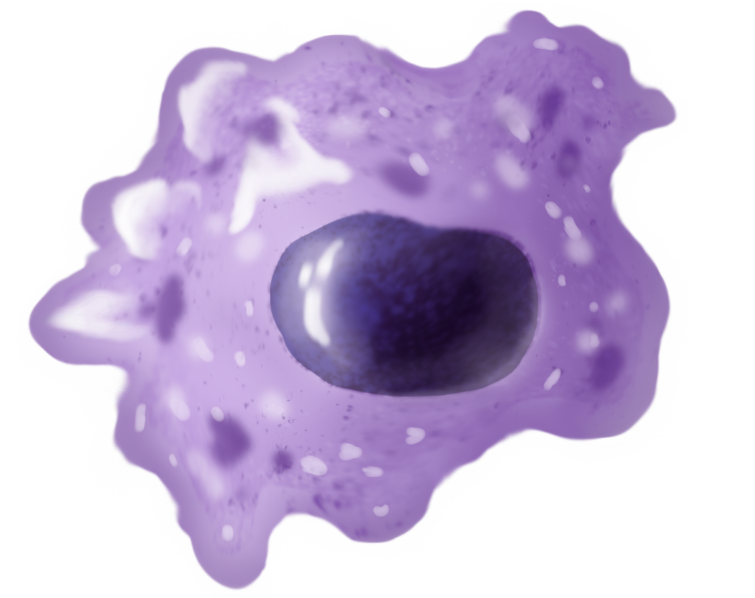
Scientists have discovered that serotonin, a chemical commonly associated with mood and emotional well-being, also helps immune cells remove damaged material from the brain following a stroke. The finding reveals a previously unrecognized repair mechanism that could eventually lead to new treatments for stroke survivors.
The research, published October 28, 2026, in Nature Neuroscience, identifies a serotonin receptor called Htr2b that helps specialized immune cells clean up damaged brain tissue. Experiments in mice showed that activating this receptor improved the removal of cellular debris, reduced inflammation and produced better neurological outcomes.
The discovery suggests that serotonin signaling may play an important role in the brain's natural recovery process after a stroke. However, the research remains experimental, and the treatment has not been proven effective in human patients.
What Happens Inside the Brain After a Stroke
An ischemic stroke occurs when a blood vessel supplying the brain becomes blocked, preventing oxygen and nutrients from reaching brain cells. Without sufficient blood flow, neurons begin to suffer damage and may eventually die.
Restoring circulation is an important part of emergency stroke treatment, but reopening a blocked blood vessel does not automatically reverse all the damage. Injured cells, broken cellular structures and inflammatory substances can remain in the surrounding brain tissue.
The immune system responds by sending cells to the affected area. Some inflammatory activity can worsen the initial injury, while other immune responses help remove damaged material and support recovery.
One important group of immune cells is known as macrophages. These cells engulf and digest dead cells, damaged tissue and other unwanted material through a process called phagocytosis.
The brain also contains its own resident immune cells called microglia. Both microglia and macrophages entering from the bloodstream participate in the response to stroke, but their individual functions are not always the same.
Researchers have been trying to understand why some immune responses protect the injured brain while others contribute to further damage.
An Unexpected Role for Serotonin
Serotonin is widely recognized as a neurotransmitter involved in mood, sleep, appetite and other functions. Its biological activities, however, extend beyond communication between neurons.
Different serotonin receptors are found throughout the body, including on certain immune cells. These receptors allow serotonin to influence cellular activities that have little direct connection to emotional health.
The new study focused on a receptor called Htr2b, also known as the serotonin 2B receptor. Researchers discovered that macrophages carrying this receptor accumulated near damaged brain tissue following an ischemic stroke.
These macrophages were particularly noticeable in the region surrounding the central area of injury. Known as the ischemic penumbra, this region contains threatened tissue that may still be capable of surviving.
The cells also displayed increased activity in genes associated with clearing damaged material and resolving inflammation. This suggested that Htr2b might help determine how effectively macrophages respond to the injury.
To investigate the connection, scientists examined how these immune cells behaved when the receptor was present, removed or experimentally activated.
Removing the Receptor Made Brain Injury Worse
The researchers used genetically modified mice in which Htr2b could be removed specifically from monocyte-derived macrophages. These macrophages originate from immune cells circulating in the bloodstream and enter the brain after injury.
Following experimental ischemic strokes, animals lacking the receptor developed more extensive brain injury and greater inflammation than control animals. Their neurological performance also deteriorated.
Further examination revealed that their macrophages had difficulty removing damaged cellular material. This indicated that Htr2b signaling was important for the cleanup process rather than merely being associated with immune-cell activity.
The team also examined macrophages from mice and humans to investigate how the receptor influenced the ability to engulf and digest material.
Together, these experiments provided evidence that the receptor actively controls an important protective function of the immune system after stroke.
The Cellular Recycling System Holds the Key
One of the most important findings involved structures inside cells called lysosomes.
Lysosomes act as cellular recycling centers. They contain enzymes that break down unwanted proteins, damaged cellular components and other biological material.
When macrophages engulf debris, lysosomes help digest the collected material. Without enough functioning lysosomes, these immune cells may be unable to complete their cleanup duties efficiently.
The researchers found that activating Htr2b increased the production of lysosomes through a process known as lysosomal biogenesis. This gave the macrophages greater capacity to process the material they had engulfed.
The team traced this effect to a regulatory protein called Tfe3, which helps control genes involved in lysosome production.
When Htr2b was activated, Tfe3 moved into the cell nucleus, where it could influence the activity of those genes. The result was an increase in the cellular machinery needed to digest damaged tissue.
This established a molecular connection between serotonin signaling and the macrophages' ability to clear debris.
An Experimental Treatment Improved Recovery in Mice
After identifying the signaling pathway, researchers investigated whether artificially activating it could improve outcomes following stroke.
They administered an experimental compound that activates Htr2b through the nasal route. This approach was tested in mice, not in human stroke patients.
The treatment increased lysosome production and improved the debris-clearing activity of macrophages in the injured brain. Treated animals also demonstrated improved neurological outcomes compared with the experimental comparison groups.
The scientists found that activating Tfe3 could also restore important parts of the cleanup mechanism. This supported their finding that Tfe3 functions downstream of Htr2b in the same biological pathway.
The experiments suggest two possible approaches for future research: activating the serotonin receptor or targeting the cellular machinery responsible for lysosome production.
Neither approach is an established stroke treatment. Further studies will need to determine whether the benefits can be reproduced safely in humans.
Why the Discovery Matters for Stroke Research
Much of stroke treatment focuses on restoring blood flow and limiting immediate damage. Mechanical clot removal and clot-dissolving medications can be effective for eligible patients, but their usefulness depends on the circumstances and timing of treatment.
The newly identified pathway concerns a different stage of the injury response. Instead of directly reopening a blocked artery, it supports immune cells that help clear damaged material from affected brain tissue.
This distinction is important because brain injury can continue evolving after the original interruption of blood flow. Inflammation and inefficient removal of damaged material may contribute to additional injury.
The study also strengthens an emerging understanding that immune cells do not all behave alike. Some promote inflammation, while others perform functions that may help protect surviving brain tissue.
By identifying a specific macrophage population with a potentially protective role, researchers may eventually be able to design treatments that enhance beneficial immune activity without broadly suppressing the immune system.
Important Questions Remain
Although the findings are promising, several important questions remain unanswered.
Most of the treatment evidence comes from experimental stroke models in mice. The researchers also investigated human macrophages and examined human stroke-associated tissue, but these observations do not establish that activating Htr2b will improve recovery in patients.
Safety is another consideration. Serotonin receptors operate in several organs, and stimulating them can produce effects outside the intended immune cells. Any future treatment would need to activate the protective pathway without causing unacceptable effects elsewhere in the body.
Researchers must also determine when the pathway is most beneficial, how long it should remain active and whether it can improve lasting neurological function rather than only short-term experimental outcomes.
The findings do not mean that increasing serotonin generally, or taking medications that influence serotonin, will improve recovery after stroke. The study investigated a specific receptor and cellular mechanism, not ordinary serotonin supplementation or existing antidepressant treatments.
For now, the discovery provides a detailed explanation of how one group of immune cells can help limit damage following an ischemic stroke. It also identifies a molecular pathway that researchers can investigate as they search for new ways to protect the injured brain.