

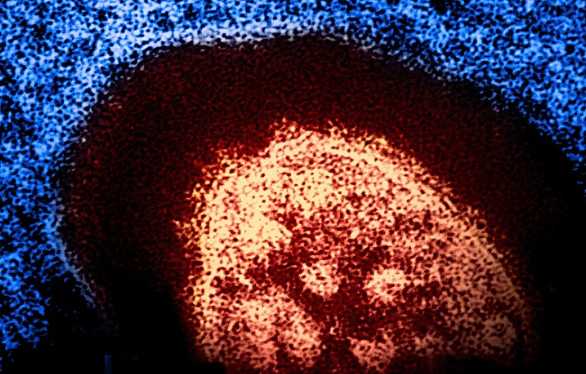
The United States officially lost its measles elimination status on November 17, 2026, ending a public health achievement maintained for 26 years. The decision follows widespread outbreaks that have infected thousands of Americans and demonstrated that the virus is again spreading continuously within the country. Health officials are now working to contain the disease and restore the protection that helped eliminate sustained transmission in 2000.
The Pan American Health Organization (PAHO), the regional office of the World Health Organization, confirmed the decision following a review by an independent commission of disease experts. Bolivia and Mexico also lost their elimination status after evidence showed that measles had circulated continuously within their borders for at least 12 months. The announcement reflects growing concern about falling vaccination rates and the return of a disease that can cause severe illness, particularly among young children.
Measles Cases Reach Highest Level in Decades
The Centers for Disease Control and Prevention recorded 5,412 confirmed measles cases in the United States through November 12, 2026. That figure is more than twice the 2,289 cases reported during all of 2025. The latest annual total is the highest since the major measles resurgence of 1989 through 1991.
The CDC identified 43 new outbreaks during 2026, with approximately 96 percent of confirmed infections linked to outbreaks. Cases have been reported across much of the country, demonstrating how quickly the virus can spread when it reaches communities with insufficient vaccination coverage. Pennsylvania has experienced one of the country's largest outbreaks, reporting more than 1,500 infections.
The growing number of infections has also resulted in serious illness and deaths. Federal data listed six measles-related deaths during 2026, although some state reports have identified additional fatalities that may not yet be reflected in the national count. Hundreds of patients have required hospitalization, placing additional pressure on hospitals and local public health departments.
Why the United States Lost Its Status
Measles elimination does not mean that a country has permanently eradicated the virus. Instead, it means that continuous domestic transmission has been interrupted, even though infected travelers may occasionally bring the disease into the country. The United States achieved that designation in 2000 following decades of successful childhood vaccination programs.
To maintain elimination status, countries must prevent the same measles virus lineage from spreading continuously for 12 months or longer. After examining epidemiological records and laboratory evidence, an independent commission determined that the United States no longer met that requirement. The findings established that measles had become endemic again, meaning sustained transmission had returned.
PAHO Director Jarbas Barbosa accepted the commission's recommendation following its November meeting. The organization also urged countries throughout the Americas to strengthen vaccination campaigns, disease surveillance, and outbreak responses. Canada had already lost its elimination designation in November 2025, contributing to the loss of the region's measles-free status.
The decision does not mean that every American community is experiencing an outbreak. Many areas continue to have strong vaccination coverage and relatively low exposure risks. However, sustained transmission somewhere within the country is sufficient to end its national elimination designation.
Declining Vaccination Rates Increase Risks
Public health officials identify gaps in vaccination coverage as a major factor behind the resurgence. According to CDC figures, national measles, mumps, and rubella (MMR) vaccination coverage among kindergarten students declined from 95.2 percent during the 2019–2020 school year to 92.4 percent in 2025–2026. That decline left approximately 280,000 kindergarten students without the protection expected under national vaccination targets.
Measles spreads so easily that communities generally need vaccination coverage of approximately 95 percent to prevent sustained outbreaks. Even states with relatively high vaccination rates can contain neighborhoods, schools, or religious communities where many residents remain unprotected. When an infected person enters one of these groups, the disease can move rapidly between households.
UNICEF reported that approximately 96 percent of American measles cases in 2026 involved people who were unvaccinated or whose vaccination status was unknown. Children younger than five accounted for 18 percent of infections, while those between five and 19 represented approximately 40 percent. These figures illustrate the substantial burden that outbreaks have placed on children and families.
Several factors have contributed to declining immunization levels, including disrupted health services, difficulties accessing medical care, and misinformation about vaccine safety. Vaccine hesitancy has also become a growing challenge for public health officials. Health agencies emphasize that the MMR vaccine has a long-established safety record and remains the most effective protection against measles.
Why Measles Is a Serious Health Threat
Measles is among the most contagious infectious diseases affecting humans. The virus spreads through airborne particles released when an infected person breathes, coughs, or sneezes. Infectious particles can remain in the air for up to two hours after the person has left an enclosed space.
Early symptoms generally include fever, coughing, a runny nose, and red or watery eyes. A distinctive rash usually appears several days later, beginning around the face before spreading to other parts of the body. People can transmit the virus before they recognize that they are infected.
Although many patients recover, measles can cause pneumonia, dehydration, brain inflammation, and other severe complications. Young children, pregnant people, and individuals with weakened immune systems face particular risks. In rare cases, the infection can also cause a fatal neurological disorder that develops years after the original illness.
Two doses of the MMR vaccine are approximately 97 percent effective at preventing measles, according to the CDC. The routine childhood schedule generally recommends the first dose at 12 to 15 months and the second at ages four to six. Health officials may recommend earlier vaccination or adjusted schedules during outbreaks or before international travel.
Federal Officials Respond to the Decision
Federal health officials acknowledged the loss of elimination status and pledged to restore it through expanded vaccination efforts and improved outbreak monitoring. The CDC announced that approximately $100 million in additional funding had been provided to strengthen state and local responses to measles and other vaccine-preventable diseases. The money supports surveillance, laboratory testing, community outreach, and vaccination programs.
CDC Director Dr. Erica Schwartz emphasized that protecting communities depends on preventing infections rather than maintaining an international designation. She said the agency would continue supporting local health departments and directing resources toward communities experiencing transmission. The federal response also includes efforts to improve vaccine access and identify areas where immunity remains insufficient.
Health and Human Services Secretary Robert F. Kennedy Jr. has faced criticism over his previous statements questioning vaccine safety and public health recommendations. At the same time, federal officials have continued recommending MMR vaccination as the primary protection against measles. The administration has emphasized cooperation with states and local agencies as outbreaks continue.
UNICEF has also warned that measles is returning in countries where vaccination programs previously brought the disease under control. The organization noted that outbreaks can be reversed through sustained immunization campaigns and improved access to medical services. Its warning reflects a broader international problem rather than one limited to the United States.
What Happens Next for the United States
Regaining measles elimination status will require interrupting continuous domestic transmission and providing evidence that the interruption has lasted at least 12 months. Public health agencies will need to track new infections, investigate their sources, and use laboratory testing to determine whether chains of transmission remain connected. Maintaining high vaccination coverage will be essential to preventing new outbreaks.
The challenge extends beyond treating patients who become infected. Schools, medical providers, and health departments must also identify vulnerable communities and ensure that eligible residents can obtain recommended vaccinations. Rapid identification of infections and prompt public health responses can help prevent individual cases from developing into larger outbreaks.
The United States has previously demonstrated that sustained measles transmission can be stopped through widespread immunization. Its elimination designation, first achieved in 2000, remained in place for more than a quarter-century despite occasional imported infections. Whether the country can regain that status will depend on stopping the current chains of transmission and preventing new ones from becoming established.