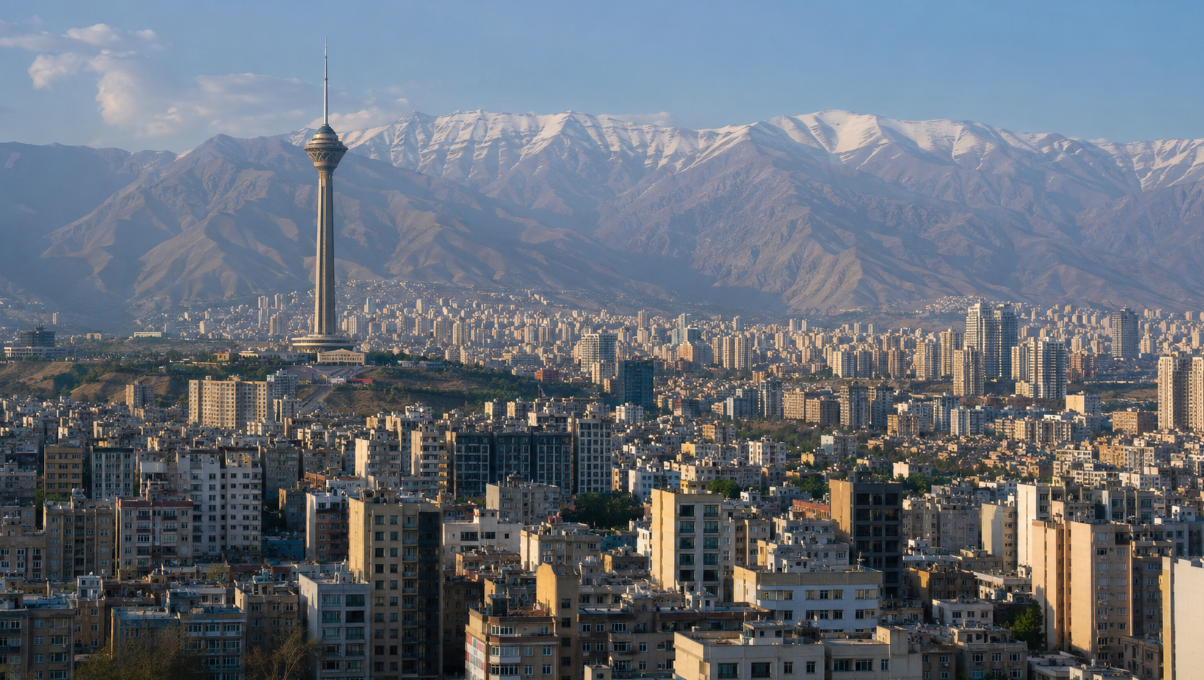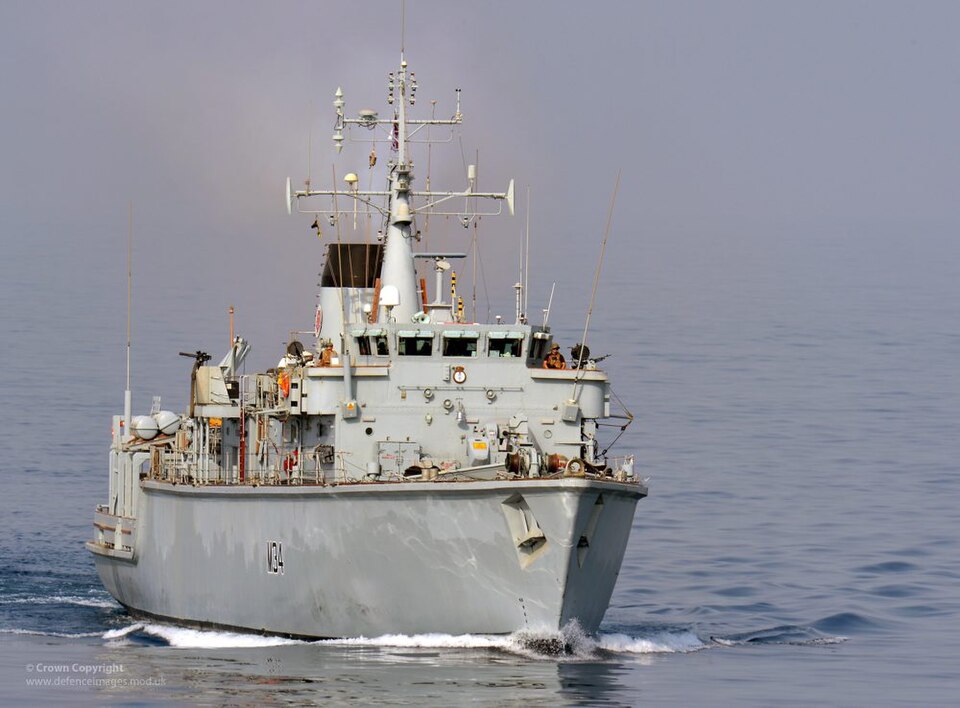
The United States and Iran moved close to a deal Friday that would reopen the Strait of Hormuz and extend their ceasefire, but Vice President JD Vance said the two sides had not yet reached an agreement.
"We're very close," Vance told reporters Thursday, while adding that the U.S. and Iran were "not there yet" on an initial deal. According to CBS News, sources told White House journalists that a tentative agreement had been reached, but that it remained pending President Trump's approval. Iranian state media, citing a source close to the country's negotiating team, pushed back, saying no agreement had been "finalized nor confirmed."
According to U.S. sources, the proposed memorandum of understanding would extend the current ceasefire for two more months, reopen the Strait of Hormuz, and open deeper talks on issues including Iran's nuclear program. A sticking point in negotiations has included Iran's stockpiles of enriched uranium, NPR reported.
Iranian officials said they have been working with Oman to establish a new mechanism to control traffic through the strait. Iran has created what it calls the Persian Gulf Strait Authority, or PGSA, which it says coordinates with shippers and collects fees for vessels to transit the waterway. The United States announced sanctions against the PGSA on Thursday. Oman has not confirmed any role in the arrangement.
An Iranian government official took a confrontational position Friday. Ebrahim Rezaei, spokesperson for Iran's National Security and Foreign Policy Commission, posted on X that "Iranian management" of the Strait of Hormuz "has been established globally." He wrote that "countries obtain permission, pay fees, and pass their vessels under the guidance" of Iran's Islamic Revolutionary Guard Corps, and that "the only person who has not accepted this or does not want to accept it is Trump."
President Trump responded to the standoff Wednesday, saying Tehran "would like to control" the strait but "nobody's going to control it." Trump also addressed Oman directly, saying "Oman will behave just like everybody else or we'll have to blow them up," and adding "They understand that. They'll be fine."
Iran's chief negotiator added a sharper note Friday, saying the winner of any agreement would be "the side that is better prepared for war" if the deal collapsed.
Lebanese and Israeli military officials were set to meet in Washington on Friday as part of the broader regional tensions. Iran has insisted it will not sign a deal with the U.S. unless there is an end to the war in Lebanon, where Israel is fighting the militant group Hezbollah. NPR reported that Hezbollah spokesman Youssef al-Zein said the group would not disarm while Lebanon is under attack. Lebanese culture minister Ghassan Salameh told NPR that ongoing Israeli strikes had put Roman sites and a crusader castle at risk.
After more than three months of a government-imposed internet blackout, people in Iran were able to go online again as of Friday.