Health and Human Services Secretary Robert F. Kennedy Jr. traveled to New Hampshire to announce a set of new federal actions targeting Lyme disease, according to a report by New Hampshire Public Radio. The visit brought attention to a disease that affects hundreds of thousands of Americans each year and remains a persistent source of frustration for patients and doctors alike.
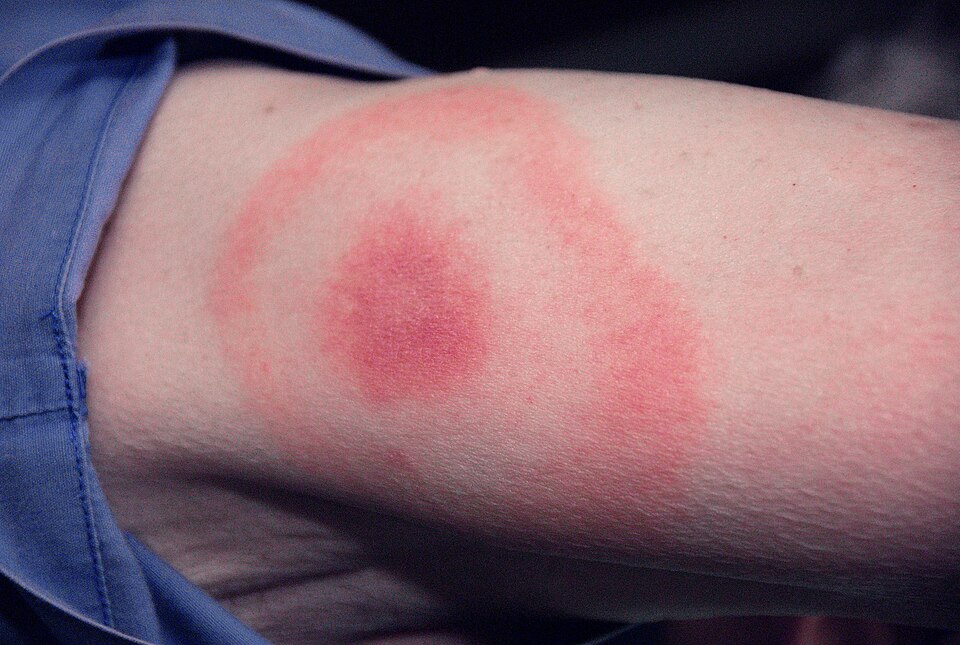
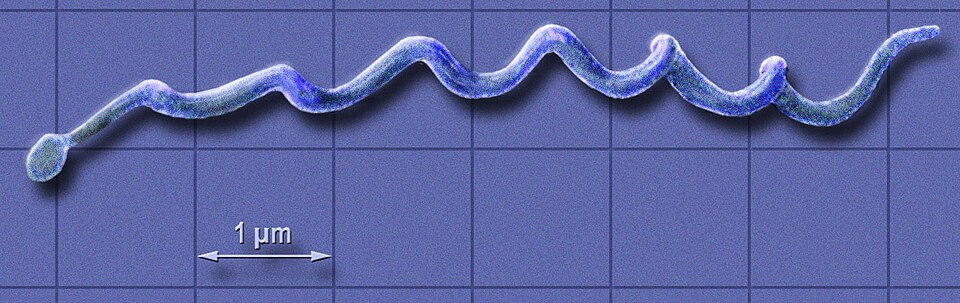
New Hampshire is among the states with the highest rates of Lyme disease in the country. The illness is caused by a bacterial infection transmitted through the bite of infected black-legged ticks. It is most common in the northeastern United States, as well as parts of the upper Midwest. When caught early, it can typically be treated with antibiotics. When it goes undetected, it can lead to longer-term complications affecting the joints, heart, and nervous system.
One of the persistent problems with Lyme disease is diagnosis. The standard tests used to detect it have known limitations, and some patients who have the disease may receive negative results. Others are diagnosed and treated but continue to experience symptoms long after completing antibiotic therapy, a condition sometimes called post-treatment Lyme disease syndrome. The causes and best treatments for that condition are still debated in the medical community.
Kennedy's visit to New Hampshire was intended to signal that the federal government is taking a more active role in addressing these issues. The specific actions announced were aimed at improving how Lyme disease is diagnosed and managed, though patient advocates have long argued that more research funding and updated clinical guidelines are needed.
New Hampshire has a particular interest in the issue both because of its high disease burden and because of the outdoor lifestyle common in the region. Residents spend significant time hiking, gardening, and engaging in other activities that bring them into contact with tick habitat. Public health officials in the state have run education campaigns for years encouraging people to check for ticks and take preventive measures.
Kennedy, who took over as HHS secretary earlier in the year, has made chronic disease and contested medical questions a focus of his tenure. Lyme disease has a vocal patient advocacy community that has pushed for years for more federal attention. The New Hampshire visit appeared designed to address some of those longstanding concerns.