

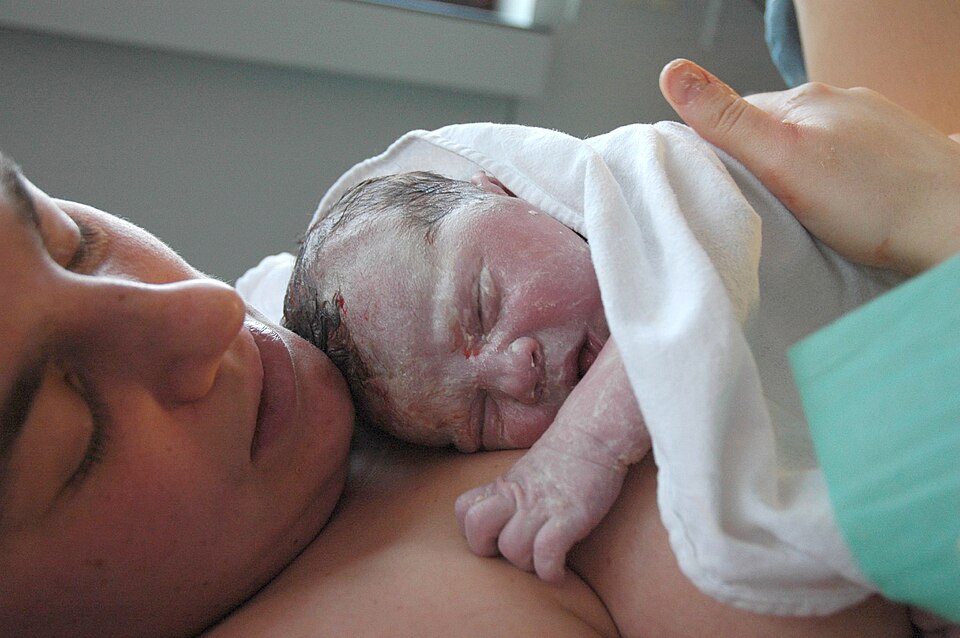
Women who feel they lost control over decisions during labor and delivery face elevated risks of serious mental health consequences after giving birth, according to a report by the AFRO American Newspapers. The reporting focuses on how experiences of disempowerment during childbirth, particularly among Black women, can lead to postpartum depression, anxiety, and trauma.
The connection between childbirth experience and postpartum mental health is an area that researchers and advocates say has received insufficient attention. Much of the focus on maternal mental health has centered on hormonal changes after birth, but the circumstances of delivery itself can leave lasting psychological harm. Women who felt ignored, overruled, or physically controlled during labor describe outcomes that go beyond typical baby blues.
Black women are disproportionately affected. Reports of being dismissed during labor, having procedures performed without clear consent, or being denied requests for pain management appear at higher rates among Black patients. Those experiences overlap with broader patterns of racial bias in medical settings that researchers have documented for years.
Postpartum mental health conditions are among the most common complications of childbirth, affecting a significant portion of new mothers. When those conditions go undiagnosed or untreated, the consequences can extend to the child's development and the stability of the family. Advocates have pushed for better screening and more consistent access to postpartum mental health care.
The question of autonomy in childbirth involves decisions about pain management, the pace of labor, medical interventions such as cesarean sections, and the involvement of partners or support people. Women who feel those decisions were taken away from them without explanation or consent describe the experience as violating, and that sense of violation can persist long after the delivery.
Separately, an event in Morgantown, West Virginia brought attention to perinatal mental health through a community gathering called The Climb, according to WBOY.com. The event was designed to raise awareness of mental health challenges that can arise during pregnancy and after birth, and to connect people with available resources.
Events like The Climb reflect a broader push to normalize conversations about perinatal mental health and reduce the stigma that prevents many new and expectant parents from seeking help. Organizers have argued that community-based awareness efforts can reach people before conditions worsen and before they require more intensive intervention.
Healthcare providers and maternal health advocates continue to call for systemic changes, including better training for obstetric staff on patient communication and consent, more robust postpartum mental health screening, and policies that give women greater control over their birth experiences.