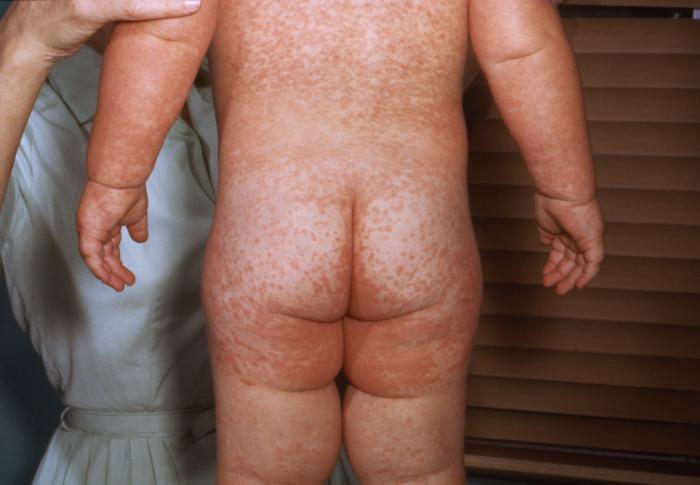
Measles cases in the United States in 2026 are on pace to surpass the total recorded for all of last year, according to a report by ABC News. The trend has raised concern among public health officials who point to declining vaccination rates as a key driver of the increase.
Measles was declared eliminated in the United States in 2000, meaning the country had stopped the continuous spread of the disease. That status depends on high levels of vaccination coverage in the population. Public health officials have long relied on the measles, mumps, and rubella vaccine, known as the MMR vaccine, to maintain that protection.
The resurgence has been linked to pockets of unvaccinated or under-vaccinated communities. When vaccination rates fall below the threshold needed for community protection, outbreaks become more likely and harder to contain. Measles is considered one of the most contagious infectious diseases known, capable of spreading to a high proportion of unvaccinated people who come into contact with an infected person.
The increase in 2026 follows a pattern that public health experts have warned about for several years. Vaccination rates slipped during the COVID-19 pandemic as routine medical care was disrupted, and some communities have not fully recovered those rates in the years since.
Health officials have continued to urge people to verify their vaccination status and ensure that children receive the recommended two doses of the MMR vaccine. The first dose is typically given between 12 and 15 months of age, and the second between 4 and 6 years old.
The full-year case count for 2026 has not yet been finalized, but current figures suggest it will exceed the 2025 total before the year is out. Federal health agencies are continuing to monitor the situation as cases have been reported across multiple states.