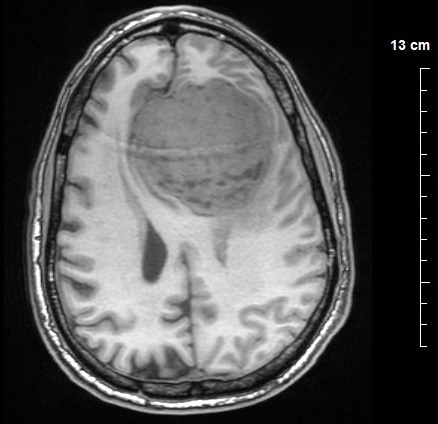
A new study found that several hormonal contraceptives, including the injectable birth control Depo-Provera, are linked to a higher risk of developing meningiomas, a type of brain tumor that is typically noncancerous. The study was published on July 2 and included 1,473 females diagnosed with a meningioma and a control group of 14,717 females who did not have the tumor. All participants lived in Denmark and had an average age of 48.
According to Healthline, researchers matched each woman who had a meningioma with 10 women of similar age, birthplace, and marital status who did not have the condition. That design allowed researchers to focus on contraceptive use without being skewed by other differences between the groups.
The results showed that users of injectable medroxyprogesterone, sold as Depo-Provera, had the highest risk. That group was 4.6 times more likely to develop a meningioma than non-users. Women using progesterone-only oral birth control were 1.7 times more likely to develop a meningioma. Those using IUDs with high levels of levonorgestrel had 1.58 times the risk, while IUDs with a lower levonorgestrel dose carried a slightly lower risk. Combination pills containing both estrogen and progesterone showed a 1.61 times increased risk.
The study authors noted that their findings suggest "an increased risk of meningioma for several progestogens not previously associated with meningioma."
Meningiomas are the most common type of brain tumor affecting the central nervous system and occur more often in females than in males. Researchers believe hormones may play a role in that pattern. Hormonal contraceptives that contain progesterone or progestin may contribute to the higher rate of these tumors in women.
The increased risk was most pronounced in women who were currently using birth control or had used it within the past year. However, within five years of stopping use, the elevated risk was no longer present for most types of contraceptives. The study authors described the risk as temporary for most users.
Researchers also noted that the overall risk remains low and should not automatically discourage people from using hormonal birth control. "These findings are considered relevant information for the treated women and the prescribing physicians," the study authors stated. Depo-Provera already carries safety warnings from the U.S. Food and Drug Administration.