A confirmed case of rare flesh-eating bacteria has been reported in Miami-Dade County, according to CBS News, which cited local health officials in its report.
The infection, known medically as necrotizing fasciitis, destroys the body's soft tissue at a rapid rate. It is caused by several types of bacteria, with group A Streptococcus being among the most common. The condition is considered a medical emergency and can be fatal without immediate treatment, which typically involves surgery to remove infected tissue and intravenous antibiotics.
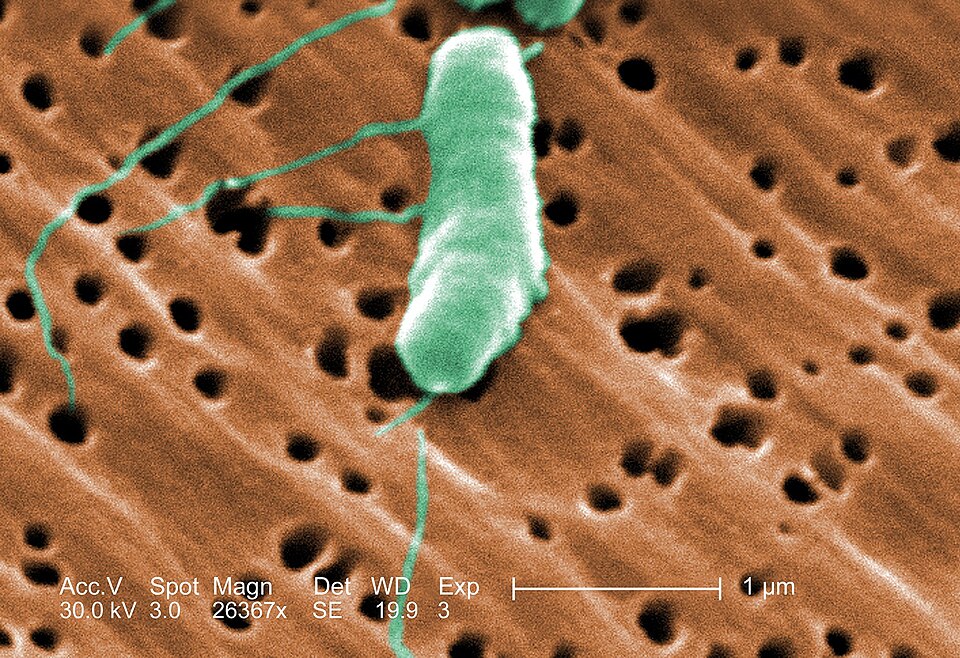
Health officials in Miami-Dade confirmed the case but did not immediately release details about the patient's condition or how the exposure may have occurred. Necrotizing fasciitis cases in Florida are sometimes linked to contact with warm coastal waters, where certain bacteria including Vibrio vulnificus are naturally present. The bacteria can enter the body through open cuts, scrapes, or wounds that come into contact with contaminated water or seafood.
Florida's warm climate and extensive coastline make it one of the states where these infections appear more frequently than in cooler regions. Public health officials have previously warned swimmers and beachgoers, particularly those with open wounds or compromised immune systems, to take precautions during warmer months when bacterial counts in coastal water tend to be higher.
The bacteria responsible for necrotizing fasciitis do not spread from person to person, which limits the public health risk in terms of transmission. However, because the infection progresses so quickly, early recognition is considered critical. Symptoms can begin with redness, swelling, and pain at the site of a wound, and the infection can spread to surrounding tissue within hours.
Treatment almost always involves a combination of aggressive surgical intervention and antibiotic therapy. In severe cases, amputation may be necessary to stop the spread of the infection. Even with prompt treatment, the mortality rate for necrotizing fasciitis remains significant.
Health officials have not indicated whether additional cases are being investigated in connection with this confirmed report.