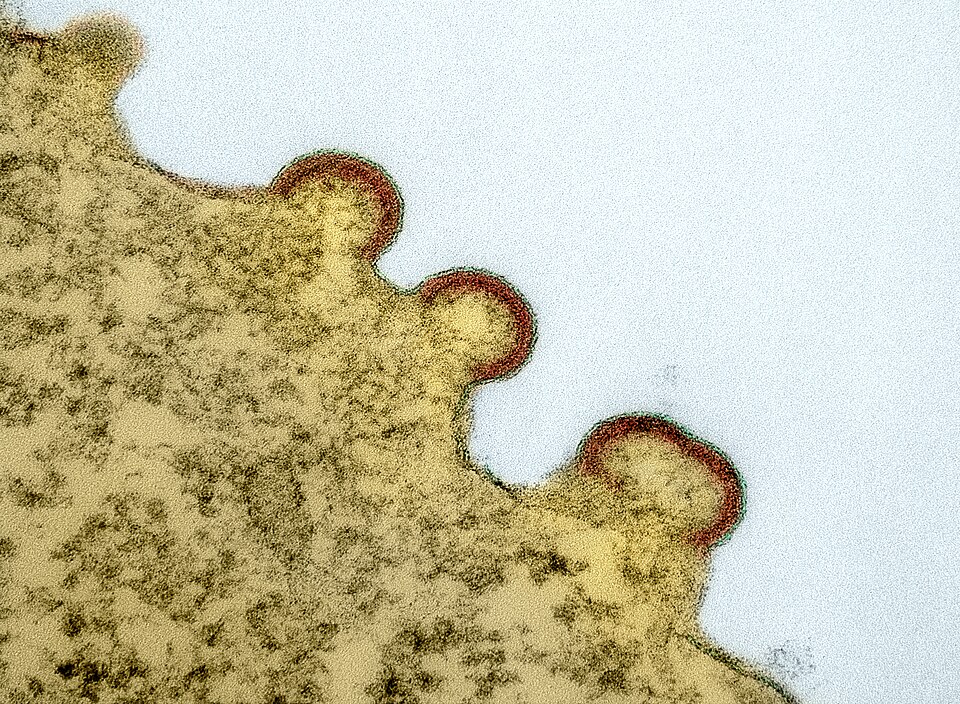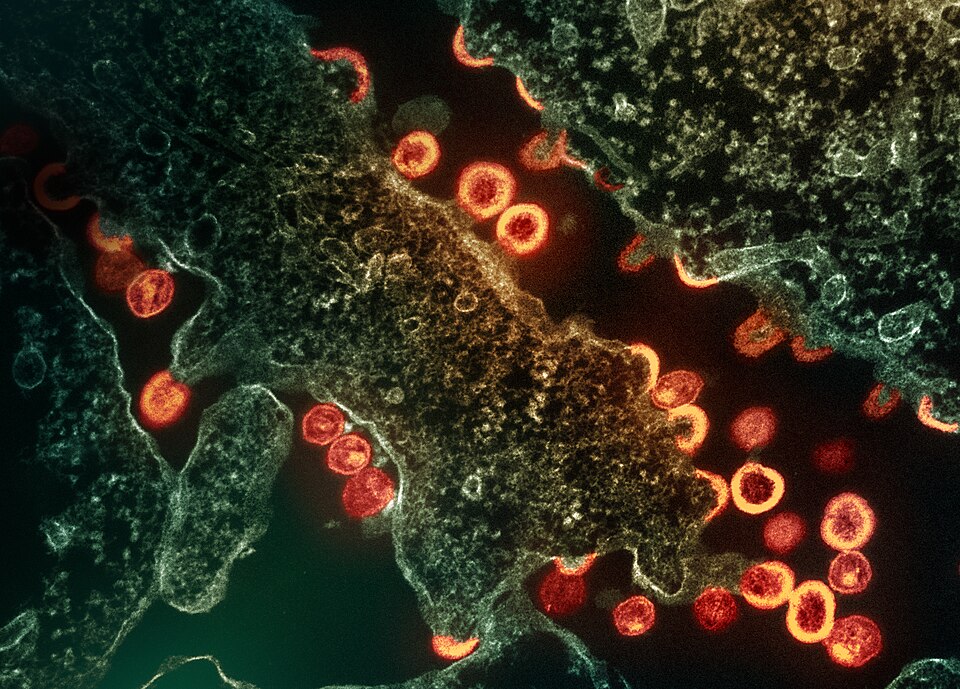
HIV can hide in places in the body where antiretroviral drugs cannot fully reach it. Scientists have now found a new one of those hiding spots, according to a report by STAT News.
The discovery matters because finding and eliminating viral reservoirs is one of the central problems standing between current HIV treatment and an actual cure. People living with HIV can take medications that suppress the virus to undetectable levels in the blood. But if they stop treatment, the virus rebounds. That rebound happens because HIV tucks copies of itself into cells and tissues where it can persist, dormant, for years.
Researchers have known for some time that immune cells called CD4 T cells are a major reservoir for latent HIV. The virus integrates its genetic material into those cells and waits. Treatment can quiet it, but cannot clear it. Scientists have spent years mapping where else the virus might be doing the same thing, looking at lymph nodes, the gut lining, and other tissues.
The newly identified hiding spot adds another location to that map. The details of exactly which tissue or cell type is involved come from the STAT News report, which covered the findings as researchers worked to characterize what the new reservoir looks like and how the virus behaves once it is there.
The broader challenge is that each new reservoir discovered makes the problem of curing HIV more complex. A treatment strategy that successfully clears the virus from one location may leave it intact somewhere else. That is why researchers working toward a functional cure have focused heavily on what is sometimes called a shock and kill approach, where dormant virus is forced out of hiding and then eliminated. But that strategy only works if scientists know where to look.
The search for reservoirs has also expanded beyond blood-based studies. Because drawing blood is far easier than sampling tissue from organs, early reservoir research was heavily weighted toward what could be found circulating in the bloodstream. More recent work has moved into tissue biopsies and imaging studies that allow researchers to look at where the virus physically concentrates in the body.
Understanding the full geography of HIV latency is considered essential before any cure strategy can be tested with confidence. Each reservoir identified is a potential target, but also a potential escape route if it is not addressed.