A new study found that drinking any amount of alcohol raises the risk for at least 20 different health conditions, including multiple cancers. The findings were published on June 1 and analyzed 843 cohort and case-control studies published through 2023. Researchers set out to re-evaluate the relationship between alcohol use and a broad range of diseases.
According to Healthline, the study covered 10 types of cancer, four cardiovascular diseases, and six other conditions including Alzheimer's disease, cirrhosis, pancreatitis, tuberculosis, type 2 diabetes, and lower respiratory infections. The researchers found that the effects of alcohol varied based on factors like sex, age, drinking patterns, and other behavioral risk factors. They also found no evidence to support sex-specific thresholds in alcohol guidelines.
The strongest association in the study was between alcohol consumption and pharyngeal cancer. Any amount of drinking was linked to a 105% increased risk for that cancer. Alcohol also raised the risk of five other health outcomes by between 15% and 50%. Those included lip and oral cavity cancer, laryngeal cancer, cirrhosis and other chronic liver diseases, pancreatitis, and colon and rectal cancer.
Nine additional outcomes met the criteria for a smaller increased risk, ranging from 0% to 15%. That group included esophageal cancer, breast cancer, Alzheimer's disease and other dementias, atrial fibrillation and flutter, type 2 diabetes, liver cancer, pancreatic cancer, lower respiratory infections, and prostate cancer. Five other conditions, including stomach cancer, hemorrhagic stroke, ischemic stroke, tuberculosis, and ischemic heart disease, showed weak or inconsistent evidence of a link.
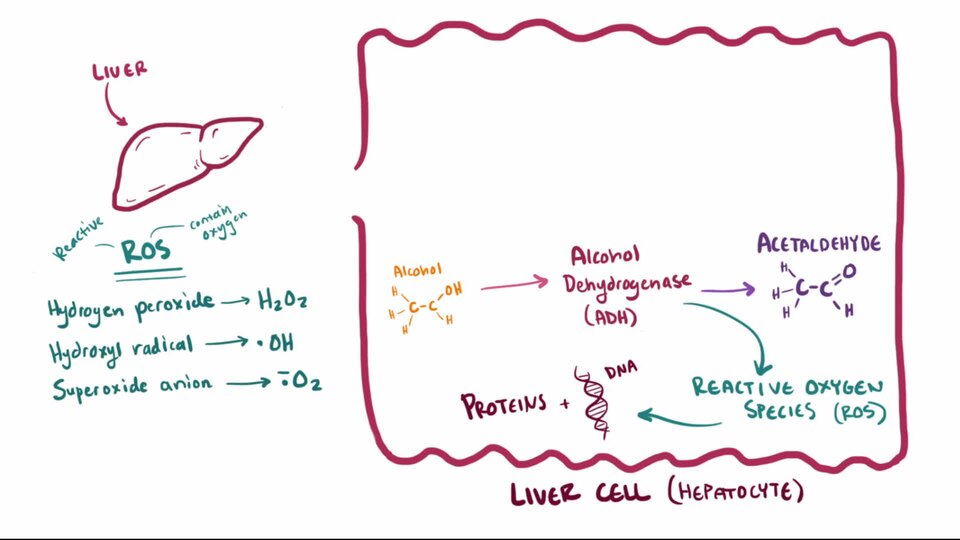
Ketan Thanki, MD, a board certified colorectal surgeon with the MemorialCare Todd Cancer Institute at Long Beach Medical Center in California, was not involved in the study but reviewed the findings. "This is not surprising and illustrates the many mechanisms through which alcohol, especially when consumed in large amounts, is toxic to our bodies," he said. Thanki noted that even moderate consumption may increase the risk for certain conditions, particularly cancers.
The researchers acknowledged that the study has limitations but said the results present a clearer picture of the risks tied to alcohol use. Their goal was to help people make more informed, personalized decisions about drinking. The Centers for Disease Control and Prevention has long established that alcohol can have negative effects on overall health, and this study adds a more detailed breakdown of specific conditions connected to its use.
The findings suggest that the idea of a safe level of alcohol consumption is difficult to support, at least when it comes to cancer risk. The study did not find a threshold below which drinking appeared entirely risk-free for the conditions most strongly associated with alcohol. Researchers noted that the evidence on type 2 diabetes was more complex, with some data suggesting a possible decrease in risk at low levels of consumption, though that finding came with caveats related to confounding variables and drinking patterns.