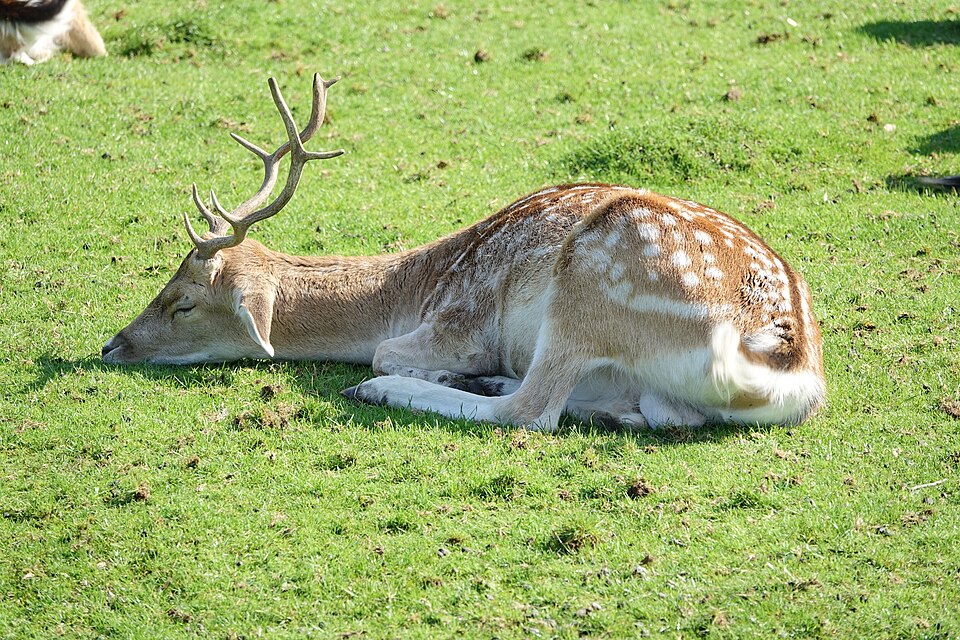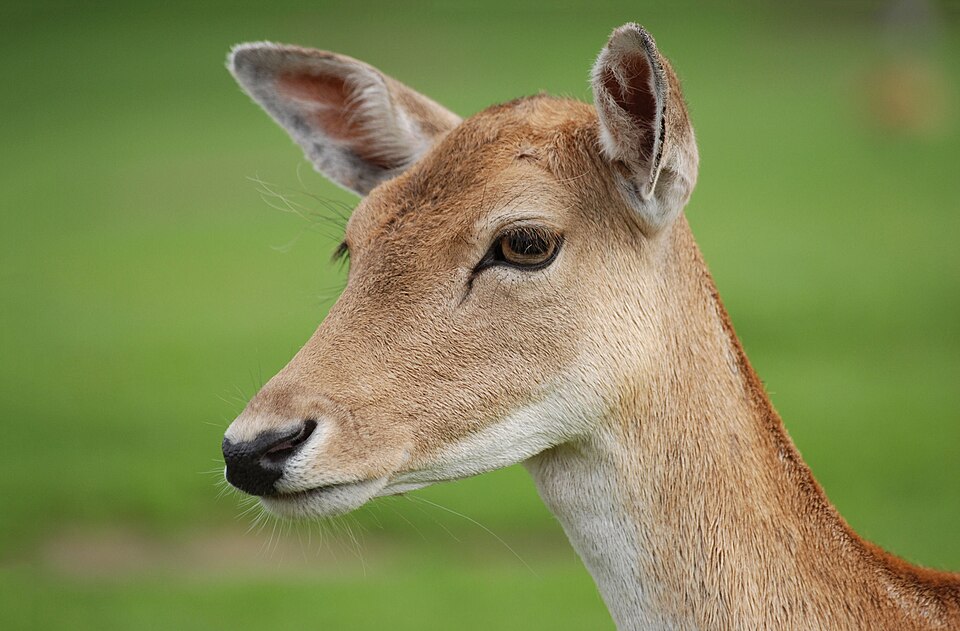
A single population of fallow deer that lived in central Germany roughly 120,000 years ago carried as much genetic diversity as all modern fallow deer across their entire Eurasian range today. That finding comes from ancient DNA extracted from fossils at the Neumark-Nord site in Saxony-Anhalt, a lake deposit near Merseburg that has preserved organic material in unusually good condition.
The research was conducted by scientists from the University of Potsdam, the MONREPOS Archaeological Research Centre and Museum for Human Behavioral Evolution in Neuwied, and Leiden University in the Netherlands. Their results were published in the journal iScience, according to a report by Phys.org.
The team extracted ancient DNA from 10 fallow deer fossils recovered from the Neumark-Nord site. The comparison between those ancient specimens and modern populations revealed a striking pattern. Modern fallow deer already display unusually low genetic variation compared with close relatives such as red deer or sambar deer. Yet a single ancient population from one location matched the total diversity seen across modern fallow deer from Spain to Turkey.
"This pattern strongly suggests that multiple diverse genetic lineages once evolved in or colonized central Europe during the Late Pleistocene, but only a single one survived after the end of the ice age," explains Alberto Rocha-Méndez, paleogeneticist at the University of Potsdam and lead author of the study.
Phylogenetic analysis places the split between the ancient Neumark-Nord lineage and modern European fallow deer at around 200,000 years ago, during a period of significant climate fluctuation in the Middle Pleistocene. As glaciers advanced, diverse northern populations were likely wiped out. Survivors retreated to southern refugia in places like Anatolia and the Balkans. From those refugia, humans later spread the low-diversity population worldwide during the Neolithic, Roman, medieval, and modern periods.
The fossils from Neumark-Nord had long been classified as a distinct species or subspecies called Dama dama geiselana, based largely on distinctive antler shapes. The new genetic data challenges that classification. The low genetic differentiation found between the ancient and modern specimens argues against separate species status.
"The fallow deer once showed high phenotypic variability, but this can be attributed to local adaptation rather than to different genetic lineages," says Lutz Kindler, a researcher connected to the study.
The findings carry implications beyond taxonomy. Researchers say the study may help inform conservation planning for fallow deer and other species by clarifying how dramatically climate change and human activity can reshape genetic diversity over tens of thousands of years.