

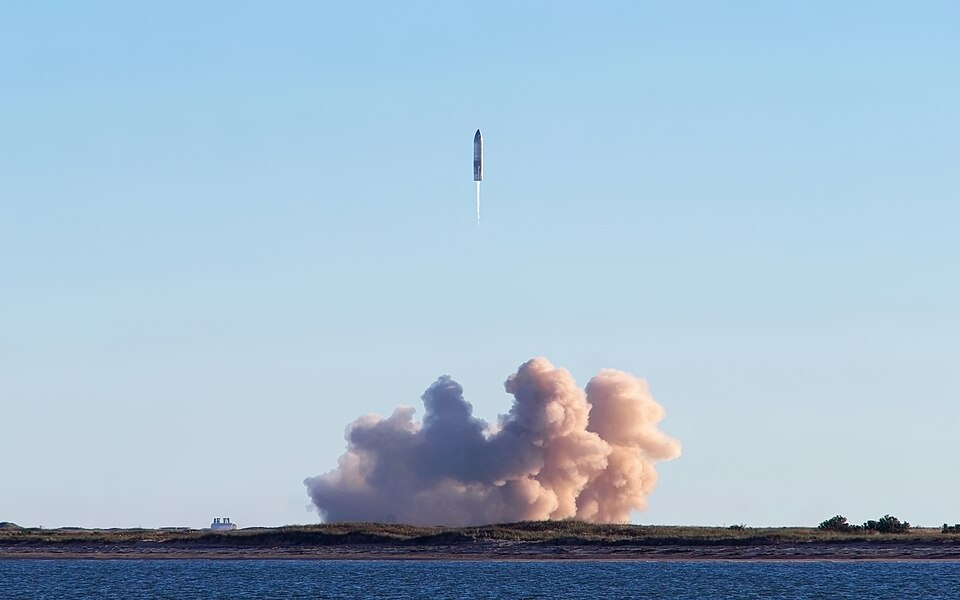
Elon Musk says SpaceX does not need any special breakthroughs to put artificial intelligence data centers into orbit. Critics have argued that setting up such facilities in space is easier said than done, but Musk disagrees.
According to MarketWatch, Musk described the challenge as not a "super hard problem" to solve. SpaceX, his rocket company, would be the vehicle through which such a project could be carried out.
The idea of placing AI data centers in space has attracted attention as demand for computing power continues to grow. Data centers require enormous amounts of electricity and cooling, two resources that are constrained on Earth. Some have proposed that orbital data centers could sidestep some of those limitations, though the logistics of building, launching, and maintaining such facilities remain a significant challenge.
Musk did not detail a specific timeline for when SpaceX might pursue such a project. His comments came as the broader technology industry continues to search for ways to scale up AI infrastructure. Demand for computing resources tied to AI has driven large investments in data center construction on the ground, with companies spending tens of billions of dollars to meet projected needs.
SpaceX already operates a large satellite network called Starlink, which provides internet service from low Earth orbit. That experience with maintaining orbital hardware at scale gives the company more background than most in dealing with the challenges of operating technology in space.
Whether the economics of orbital data centers would work in practice remains a question that Musk did not directly address. Power generation and heat dissipation in space operate under different constraints than on the ground, and getting hardware into orbit still carries significant cost, even as launch prices have fallen due in part to SpaceX's own reusable rocket development.
Musk has floated ambitious infrastructure ideas before, and the company has not announced any formal program to build AI data centers in orbit. His remarks appear to be an assertion that the technical barriers are lower than skeptics believe.
![[RAW] SpaceX Starship IFT-1 NASA WB-57 Cam 0
TLP Network via a NASA FOIA has acquired 2 of 5 videos recorded by NASA WB-57 during the Starship IFT-1 flight. The other 3 cameras from NASA WB-57 have been classified.
Thank you to NASA HQ for their support in releasing this footage to TLP Network.](https://freenewspress.com/media/2026/05/21/spacex-starship-6191d1.jpg)