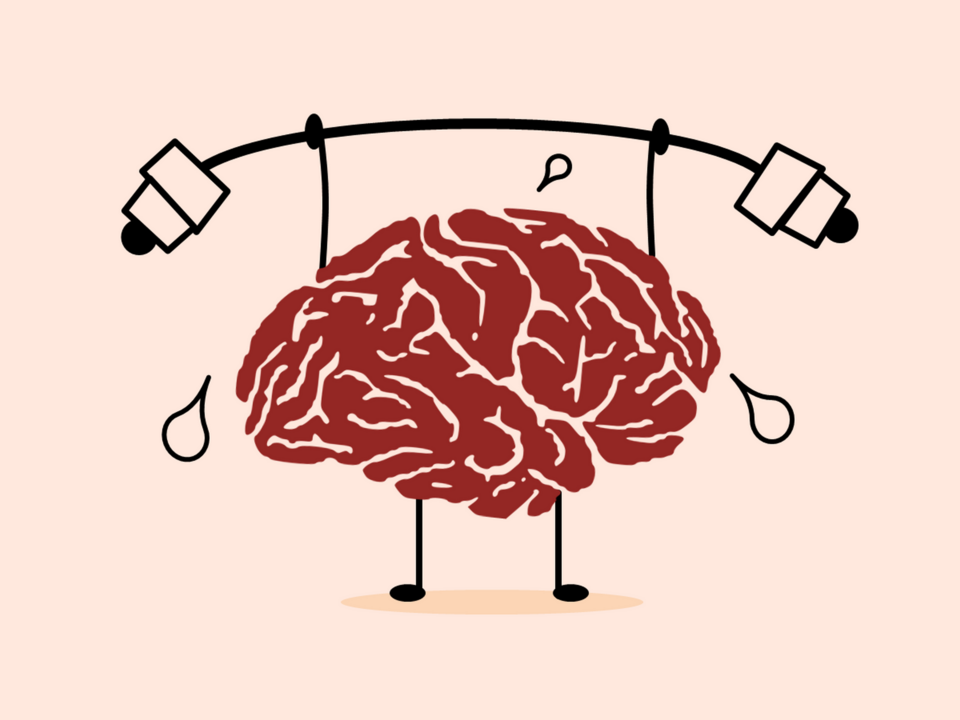
Most mental health treatment starts after something has already gone wrong. A new study wants to change that. According to a report by Medical Xpress, researchers have proposed a model that focuses on proactive brain training to build resilience across entire communities before a crisis ever develops.
The research challenges the standard approach in mental health care, which is largely reactive. Under the current system, people typically receive help only after they seek it out, often following significant distress or a diagnosable condition. The new model suggests that building mental skills in the population at large, before problems appear, could reduce the overall burden of mental illness over time.
Brain training in this context does not refer to puzzle apps or memory games. Researchers are describing structured, evidence-based interventions designed to strengthen the psychological processes that allow people to cope with stress, manage emotions, and recover from setbacks. The goal is to treat mental fitness more like physical fitness: something maintained regularly rather than addressed only when broken.
The timing of the study is notable. Young adults and college students continue to report some of the highest rates of psychological distress of any age group. The Fort Morgan Times has reported on the ongoing mental health challenges facing college students and young adults, a population that is often caught in a gap between the support structures of high school and the resources available in adulthood.
Community-level resilience programs have been tested in limited settings before, including in schools and workplace wellness programs. What this study proposes is a broader framework that could be applied more systematically, embedding training into the places where people already live, learn, and work.
Researchers acknowledge that scaling any such program comes with significant logistical and financial challenges. Reaching entire communities requires institutional buy-in, trained facilitators, and sustained funding, none of which is simple to secure. Still, the study argues that the cost of prevention is almost certainly lower than the cost of treating mental illness after the fact.
The findings are expected to contribute to ongoing conversations in public health about where mental health investment is most effective. As communities look for ways to address what many describe as a youth mental health crisis, proactive models like the one described in this study may get a closer look from policymakers and health systems alike.