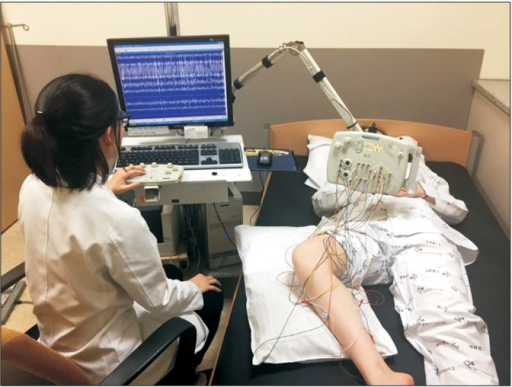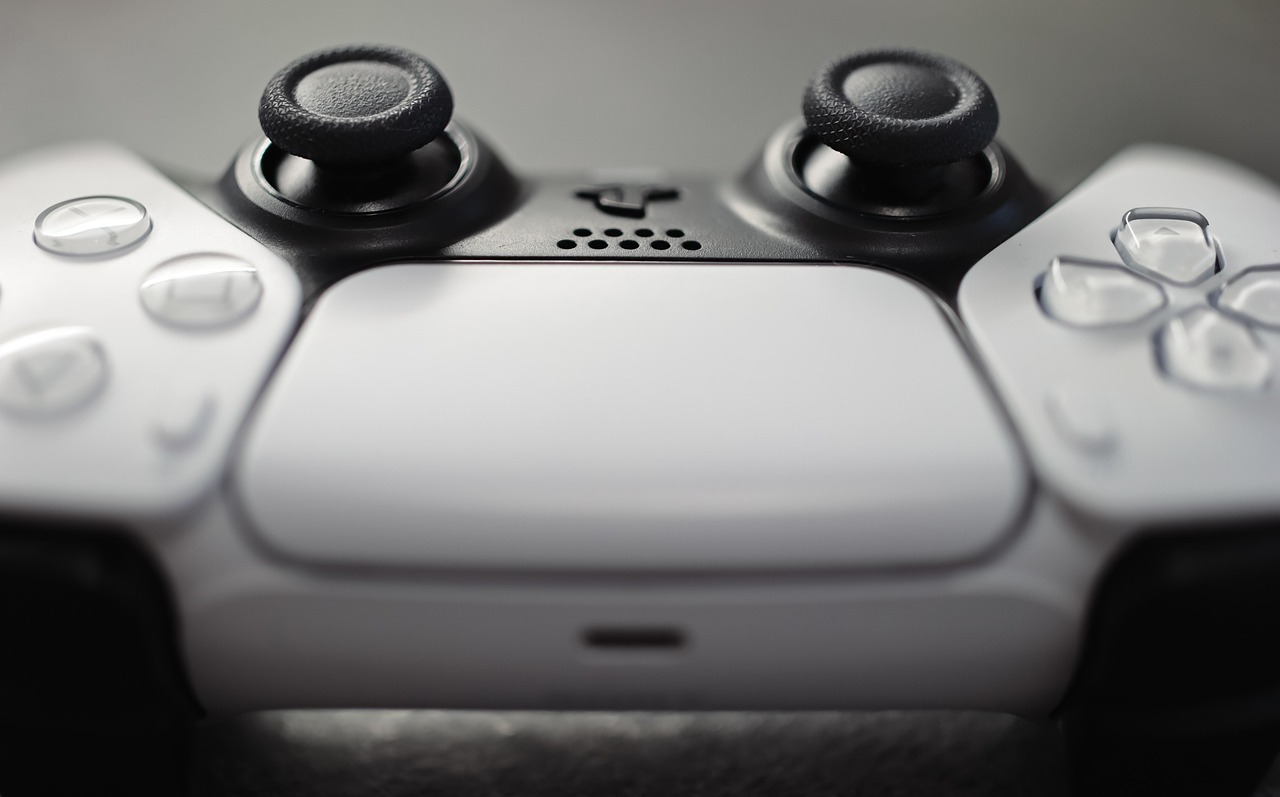
A classic retro video game may have a new purpose: helping stroke survivors get their arms moving again. According to a report by U.S. News and World Report, researchers have been studying whether playing a well-known older video game can improve arm function in people recovering from strokes. The results showed measurable gains in movement for patients who used the game as part of their recovery.
Stroke is one of the leading causes of long-term disability in the United States. When a stroke affects the brain's motor regions, it can leave patients with weakness or paralysis on one side of the body, most often in the arm and hand. Traditional rehabilitation is effective but can be slow and repetitive, leading some researchers to explore whether game-based therapy might help patients stay engaged while still doing the necessary work.
The idea behind using video games in stroke recovery is not entirely new. Researchers have looked at various gaming platforms for years as tools to encourage repetitive arm movements without making therapy feel like a chore. What is notable about this study is the focus on a retro game specifically, one that likely requires deliberate, controlled hand and arm motions to play.
Engagement is a known factor in rehabilitation outcomes. Patients who stay motivated and keep up with their exercises tend to recover more function over time. A game that holds a patient's attention could mean more repetitions completed and more time spent practicing the movements that the brain needs to relearn.
The study adds to a growing body of research looking at technology as a supplement to conventional stroke care. Researchers continue to look for ways to make rehabilitation more accessible and effective, particularly for patients who may struggle to attend frequent in-person therapy sessions. A low-cost, easy-to-use gaming option could eventually lower some of those barriers.
No medical advice can be drawn from a single study, and researchers typically caution that further trials are needed before any new approach becomes standard care. Still, the findings were strong enough to draw attention in the medical community. The next steps would likely involve larger studies across multiple rehabilitation centers to confirm the results.