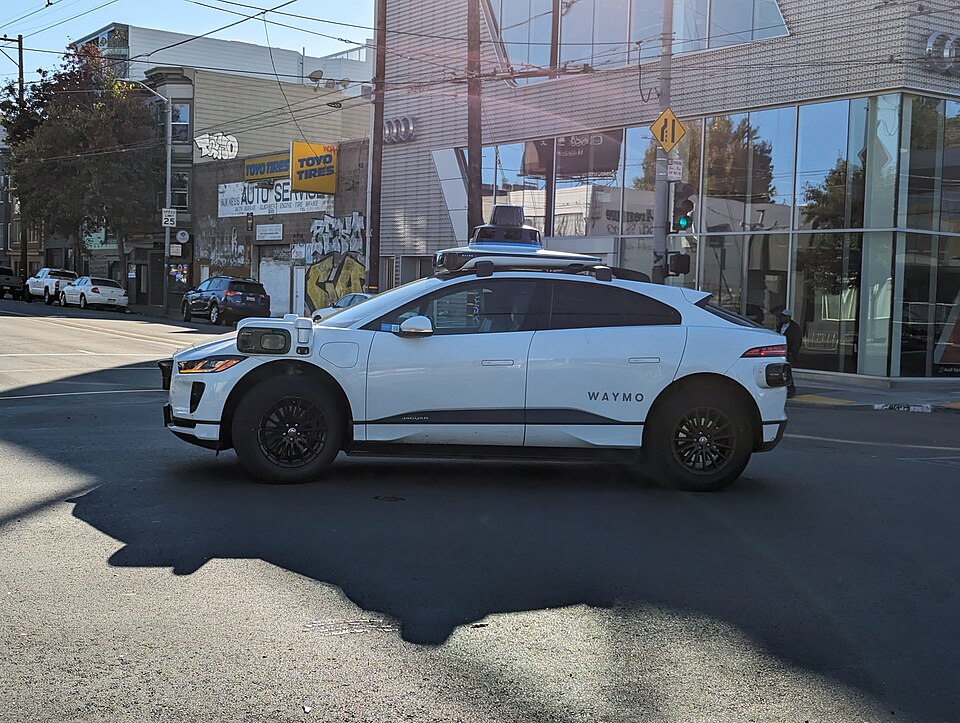
Waymo has created a virtual human driver designed to test whether its robotaxis respond to dangerous situations the way a careful person would. The system, called ReD, short for Reference Driver, models how human beings think and react when a collision becomes possible.
According to a report by Engadget, Waymo developed the ReD model alongside researchers at the Delft University of Technology in the Netherlands. The findings were published in a Nature research paper. Waymo described the system as a behavioral crash test dummy, one built not to absorb impacts but to avoid them entirely.
The model is grounded in a neuroscientific concept called active inference, which holds that people are constantly working to minimize surprise. ReD builds on that idea by simulating how a driver updates their beliefs as a situation changes, weighs uncertainty about what other drivers might do next, and then picks a response, whether that means braking, swerving, or some combination of both.
Several specific human behaviors are built into the model. One component called looming judges how threatening an object is based on how fast it grows in the driver's field of view. Another called traffic norm filters out law-abiding behavior to help the system plan for what might go wrong. The model even accounts for the small delay between releasing the gas and pressing the brake, building in a 0.2-second pause to reflect single-foot driving.
ReD also models something many drivers learn early: expect something to go wrong before it does. "ReD can model proactive avoidance, showing how a competent driver anticipates potential risks to avoid entering into a conflict in the first place," the Waymo team wrote.
Waymo safety chief Mauricio Pena explained the broader goal. "Evaluating AV safety is multifaceted, and understanding how a human handles conflict is a critical piece of the puzzle," Pena said. "By establishing this reference model of a competent human response, we can help the industry move toward a shared, scientifically grounded approach for evaluating collision-avoidance behavior."
Waymo said it is working with other researchers, safety organizations, and regulators to refine a model that reflects what a careful and competent driver actually does. To make that process faster, the company plans to release ReD as open source under an academic, non-commercial license, making it available to outside researchers who want to study autonomous vehicle safety.