More than 35 million people live along the New York-Washington corridor, and this past May they got an early reminder of what summer air can bring. A mid-May heat wave pushed ground-level ozone to dangerous levels before the warm season had even fully arrived, prompting health officials in New York to issue a code orange advisory on May 17.
According to a report by Phys.org, the New York State Department of Health and the New York Department of Environmental Conservation issued the advisory warning young people, older adults, and those working or exercising outdoors to limit activity because of ozone's respiratory and cardiovascular health impacts. By May 18, ground-based sensors confirmed ozone had reached unhealthy levels for sensitive groups, something that typically happens several times per year but arrived unusually early in 2026.
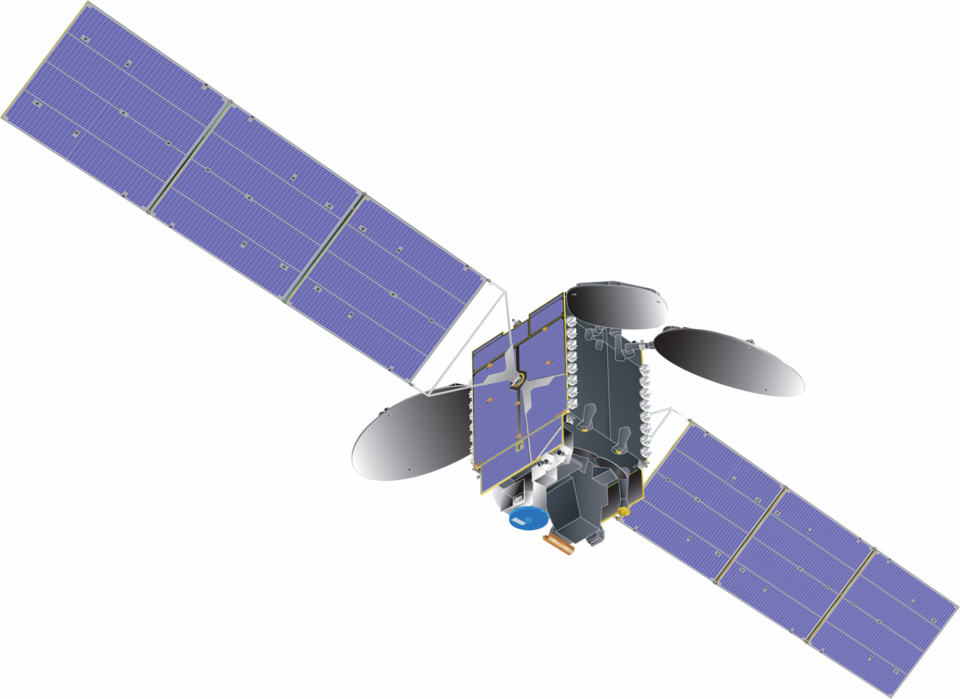
While surface sensors tracked the event from the ground, NASA's TEMPO instrument watched from 22,000 miles above the equator. TEMPO, which stands for Tropospheric Emissions: Monitoring of Pollution, sits in geostationary orbit and collects frequent observations of air pollution across North America. Unlike earlier polar-orbiting satellites that could only photograph a given location once per day, TEMPO can track how pollution changes hour by hour across the same region.
The instrument detects nitrogen dioxide, a gas released by burning fuels, particularly by motor vehicles. On ozone alert days, the data reveals a striking pattern. "There's often a clear and interesting pattern in TEMPO's nitrogen dioxide data during ozone alert days," said Hazem Mahmoud, an atmospheric scientist at NASA's Atmospheric Science Data Center at Langley Research Center. "We see high concentrations of nitrogen dioxide during the early morning commute that drop off sharply in the late afternoon as ozone increases."
Two images captured on May 18 show exactly that pattern. At 7:05 a.m. local time, nitrogen dioxide concentrations were high across the corridor during the morning commute. By 3:05 p.m., most of that nitrogen dioxide had declined substantially, while surface ozone levels had risen. Afternoon sea breezes also appear to have pushed some of the remaining nitrogen dioxide slightly to the west.
The chemistry behind the shift involves sunlight driving reactions between nitrogen dioxide, volatile organic compounds, and oxygen. Those reactions consume the nitrogen dioxide while producing ozone. By late afternoon, much of the available nitrogen dioxide is depleted, which slows ozone production until the cycle restarts the next morning.
Scientists note the data shown is still provisional and that processing methods are being refined. Still, the event illustrates what TEMPO was designed to do: watch pollution build and move in real time rather than piecing together a single daily snapshot. Sensors on earlier satellites such as OMI and TROPOMI could only provide one observation per location per day, making it impossible to track the morning-to-afternoon shift that TEMPO captured over the corridor in May.
The corridor covered by the event stretches from New York City south through New Jersey, Philadelphia, Baltimore, and into Washington, D.C., one of the most densely populated stretches of the eastern United States. Health advisories like the one issued May 17 are expected to remain common during summer months, when heat accelerates the chemical reactions that produce ozone and stagnant air allows it to accumulate near the ground.