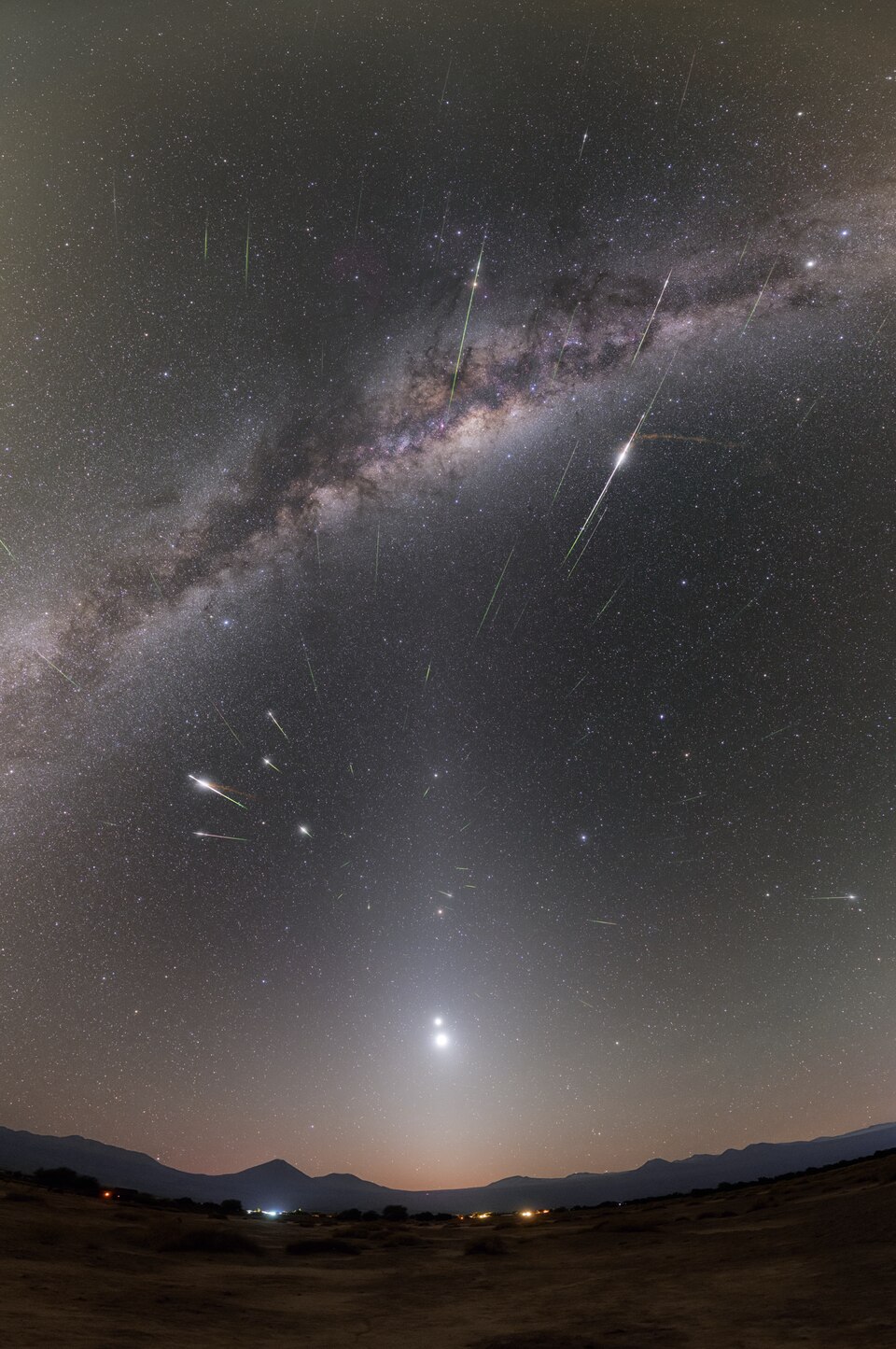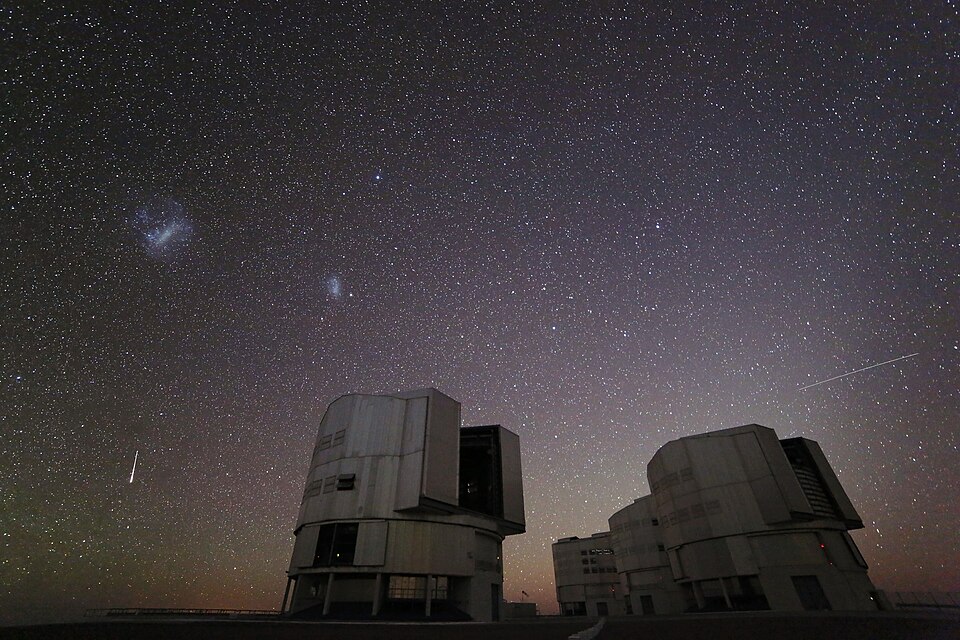
Two meteor showers will reach their peak on the same night this week, but a nearly full moon will make viewing difficult for most skywatchers.
Both the Southern Delta Aquariids and the Alpha Capricornids peak overnight on Thursday, July 30, into Friday, July 31. According to Live Science, the timing is unlucky: the full Buck Moon falls on Wednesday, July 29, meaning the moon will still be 98% full during the peaks of both showers, according to the American Meteor Society. That level of brightness will wash out many of the fainter shooting stars.
Under ideal dark-sky conditions, the Southern Delta Aquariids can produce about 25 meteors per hour. The Alpha Capricornids offer far fewer, around five meteors per hour, but the shower is known for bright fireballs. Those are space rocks that burn especially brightly, and sometimes colorfully, as they enter Earth's atmosphere.
The Southern Delta Aquariids are active from July 12 through Aug. 23 this year. The Alpha Capricornids run from July 3 to Aug. 15. Both showers share the same peak night.
Observers in the southern United States, Mexico, and the Caribbean will have better viewing conditions than those farther north. The radiant point for the Southern Delta Aquariids sits in the constellation Aquarius, which climbs higher in the sky at lower latitudes. The best viewing window will be between midnight and dawn, when Aquarius is highest in the southern sky.
To improve the odds of seeing something, skywatchers are advised to keep the moon behind them or blocked by a building, tree, or hill, and to look toward the darkest available part of the sky. Meteor showers are always best viewed with the naked eye, without binoculars or a telescope.
The moonlit conditions this week are a setback, but a better opportunity is coming. The Perseid meteor shower will peak overnight on Aug. 12-13, just after the Aug. 12 new moon, when skies will be dark during the shower's peak rate of 100 meteors per hour.
That same new moon will also cause a total solar eclipse visible along a narrow path through eastern Greenland and western Iceland.