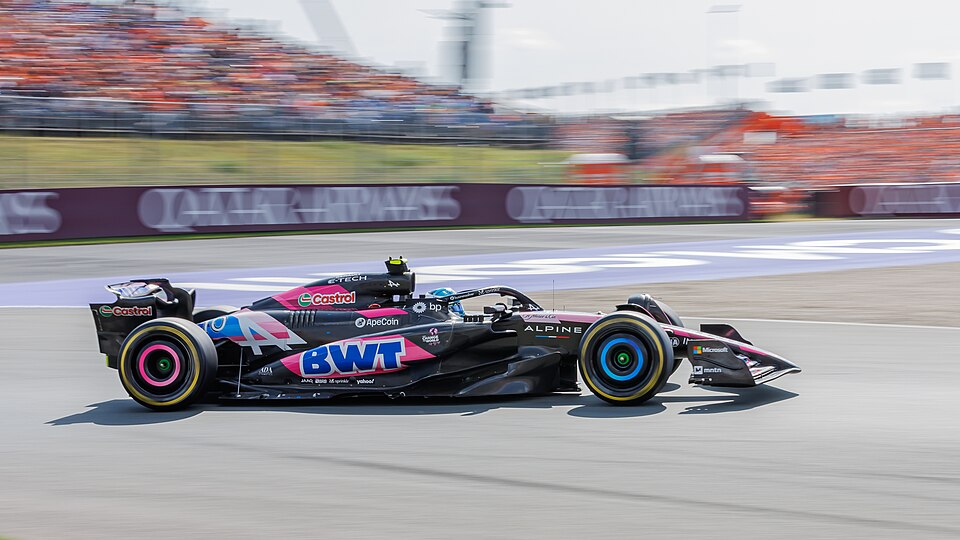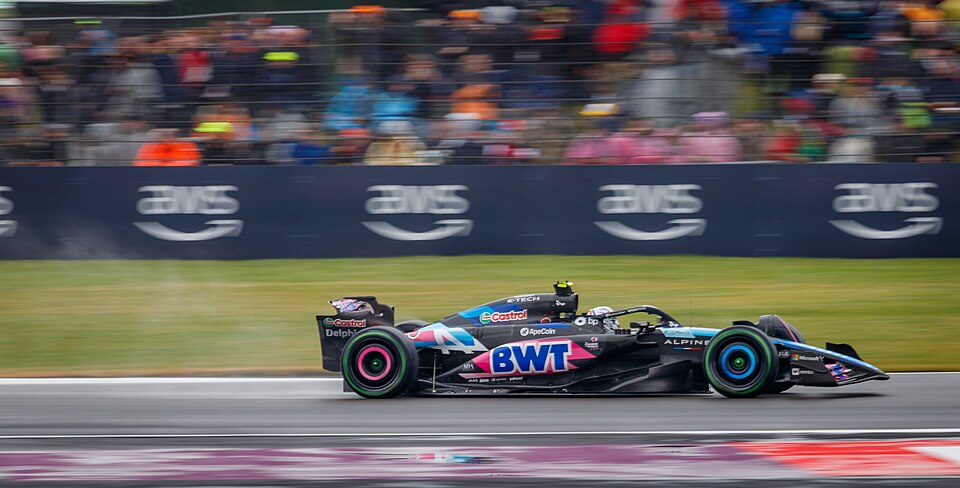
Pierre Gasly has been restored to third place in the Monaco Grand Prix after his Alpine team successfully challenged a penalty for pit-lane speeding, the BBC reported.
Gasly had been demoted to seventh place after the race by two five-second penalties for exceeding the pit-lane speed limit. He was one of five drivers penalized for the same offense during the race, an unusually high number. The others were Mercedes driver George Russell, McLaren's Oscar Piastri, Ferrari's Lewis Hamilton, and Gasly's own teammate Franco Colapinto.
Alpine requested a right of review hearing and argued, backed by data, that changes to the pit lane this year had meant the shortest possible route between the timing loops was 77 centimetres less than the distance officials had used to calculate the speed limit. The stewards accepted the argument and concluded Gasly had never exceeded the 60km/h limit.
The ruling reshuffles the final result. Piastri, who had moved to fourth after Gasly's original demotion, drops back to fifth. Russell's situation is different and more complicated. He received a drive-through penalty during the race itself, not a post-race time penalty, which dropped him from third place at the time to 13th at the finish. His team did not challenge the decision during the available window.
Mercedes team principal Toto Wolff said the team was exploring options. "We just left when we were on the phone to our lawyers. A drive-through is equivalent of 20 seconds of race time. What would that have done to his result?" Wolff said. "Do I think we have a chance to reverse the result? I don't think so, but we definitely have to give it a go."
Wolff said Mercedes was looking at what remedies might be possible with the FIA, but acknowledged the team faced limitations on timing and legal grounds.
Hamilton's penalty did not affect his finishing position. Ferrari managed to serve it during a safety-car period in a way that did not cost him track position, and he finished second.
The stewards' report noted that officials had begun to question the high number of penalties even as they were being issued. According to the published verdict, race control consulted the official timekeepers after the third offense occurred and was told there was no issue and that the data was accurate. The measurement error was only confirmed later through the appeal process.