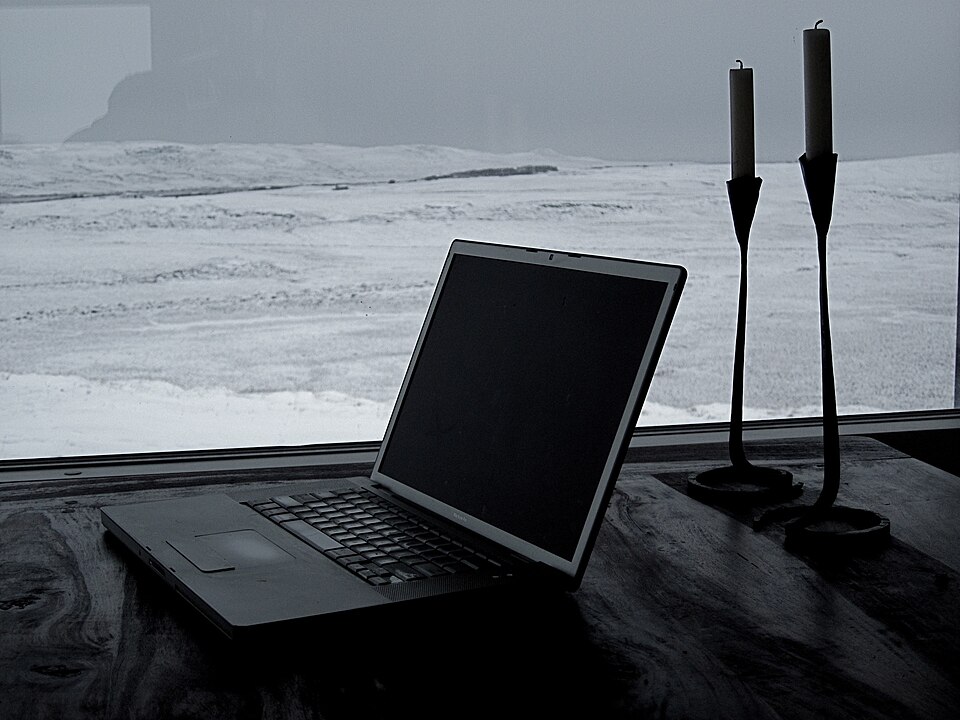
Working from home may come with hidden costs to mental health. A new study has found that remote workers experience higher levels of isolation and mental health challenges compared to people who work in person, according to a report by Pulse 2.0.
The findings add scientific weight to concerns that have been raised informally since remote work became widespread during the COVID-19 pandemic. Millions of workers shifted to home offices starting in 2020, and while many cited benefits such as flexibility and reduced commute time, others reported feeling cut off from colleagues and routines that had structured their daily lives.
The study found that the lack of in-person contact is a key factor. Casual workplace interactions, things like conversations in hallways, shared lunches, and quick check-ins with coworkers, play a larger role in social well-being than many people recognize. Remote workers lose access to those informal social moments, and the study suggests that video calls and messaging apps do not fully replace them.
Mental health professionals have noted for years that loneliness is a significant risk factor for depression, anxiety, and other conditions. Remote work, particularly for people who live alone or who have limited social networks outside of work, can reduce the number of meaningful human interactions a person has in a given day.
The research also pointed to the blurring of boundaries between work and home life as a contributing factor. Without a physical separation between office and living space, remote workers often find it harder to fully disconnect from work at the end of the day. That difficulty can increase stress over time and erode the quality of rest and personal time.
Not all remote workers report negative outcomes. The study acknowledged that individual circumstances vary widely. People with strong family support at home, those who supplement remote work with regular social activities, and those who have more control over their schedules tend to fare better. But the overall trend in the data pointed toward greater mental health strain among remote workers as a group.
Employers have increasingly called workers back to offices, citing productivity and collaboration. The new research suggests there may also be a mental health argument for maintaining some level of in-person work, though the findings do not point to a single solution that works for everyone. Hybrid arrangements, structured virtual social time, and access to employee mental health resources are among the approaches researchers and workplace health experts have discussed.
The study adds to a growing body of evidence that the way people work has real consequences for how they feel, and that designing work environments with mental health in mind is not just a wellness trend but a practical concern.