Brent crude briefly fell to $79.96 per barrel on Tuesday, the first time the international benchmark has traded below $80 since March. The drop came as investors waited for concrete details on a framework agreement between the United States and Iran that could end the Middle East conflict and reopen a critical global oil shipping lane.
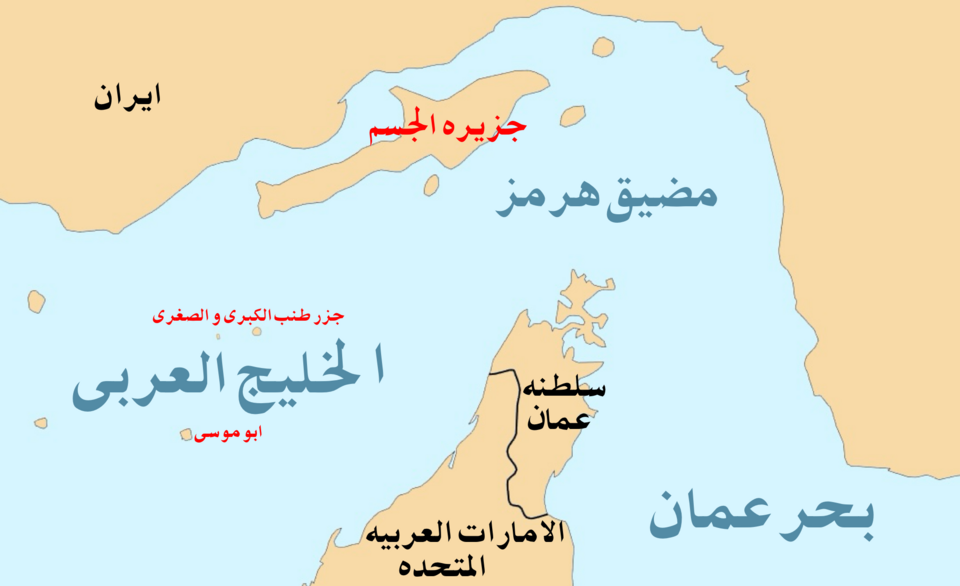
U.S. West Texas Intermediate futures also dropped, falling about 3.8% to $77.71 per barrel as of Tuesday morning. Both benchmarks had been elevated since late February, when the conflict began and transit through the Strait of Hormuz became severely restricted. Before the war, the strait handled roughly 20% of the world's oil supply.
According to CNBC, President Donald Trump told reporters arriving at the G7 summit in Évian-les-Bains, France that a peace framework with Iran has been signed, and that the Strait of Hormuz will "completely reopen" on Friday, free of Iranian tolls. Trump said a formal signing ceremony is scheduled to take place Friday in Geneva. The G7 summit was set to be dominated by discussions around resolving the conflict, with further details of the memorandum of understanding expected later this week.
Not everyone is convinced the path forward is clear. Amos Hochstein, who advised former President Joe Biden on energy, appeared on CNBC's Squawk Box Tuesday and raised questions about the substance of the deal. "Nobody has seen any text, so if there's an agreement that was reached three days ago, it is a bit odd that we haven't seen it," Hochstein said. The U.S. and Iran have given conflicting accounts of what the agreement actually contains.
Shipping companies reacted to the news with cautious optimism. Hapag-Lloyd, the German container shipping giant, called the prospect of a peace agreement and an end to military action in the region "good news for us, for our crews, and for our customers." The company said it hopes its four remaining ships stuck outside the strait will be able to pass through this weekend.
The head of the world's largest tanker operator offered a more measured view. Jotaro Tamura, chief executive of Mitsui OSK Lines, told the Financial Times that many operators could wait weeks before allowing their vessels to resume transit, even if a deal is announced. "What will have to come in place is not just a simple agreement between the relevant countries, but it has to be material and translated into the real situations in the Strait of Hormuz, so that shipping lines can make themselves comfortable to go through," Tamura said.
The provisional agreement reached Sunday would extend the U.S.-Iran ceasefire for 60 days. Until shipping companies see conditions on the water change in practice, the price relief in oil markets may remain fragile. A formal signing in Geneva on Friday would be the next major test of whether the deal holds.