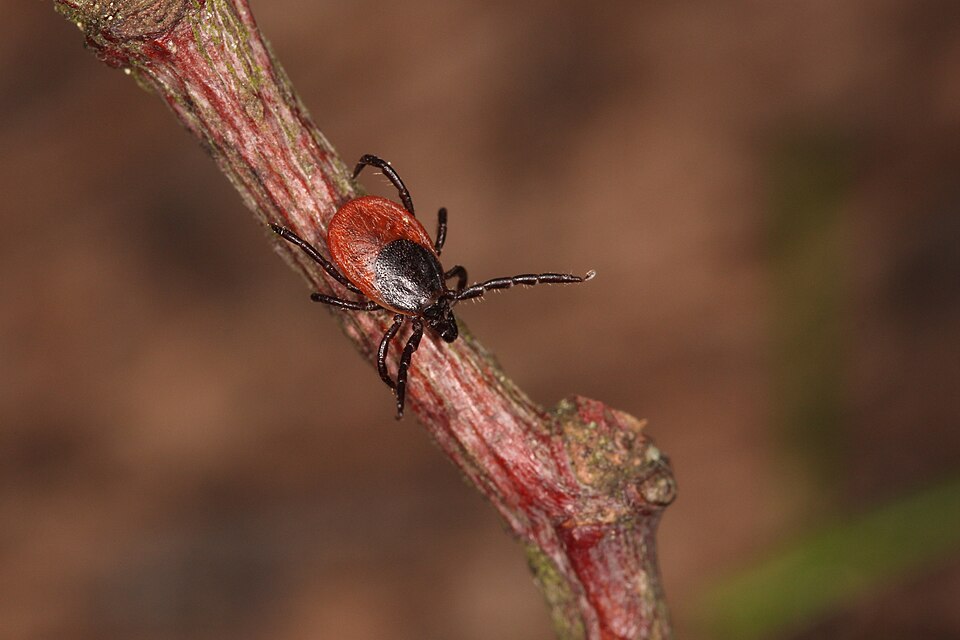
Two West Virginia health departments are now offering a preventative antibiotic to residents who have been bitten by a tick, according to a report by WOWK 13 News. The move is aimed at reducing Lyme disease cases in an area where tick exposure is common during the warmer months of the year.
The antibiotic being offered is a single-dose treatment that can prevent Lyme disease from developing after a known tick bite. Lyme disease is caused by the bacterium Borrelia burgdorferi and is transmitted primarily through the bite of black-legged ticks, also known as deer ticks. If left untreated, the disease can cause joint pain, neurological problems, and other serious complications.
West Virginia falls within a region of the United States where Lyme disease cases have been rising. The Centers for Disease Control and Prevention has identified the mid-Atlantic and northeastern states, along with parts of the upper Midwest, as areas with the highest transmission risk. Offering the preventative antibiotic directly through local health departments lowers the barrier for residents to access treatment quickly after a tick bite, which is when the intervention is most effective.
The timing of treatment matters significantly with Lyme disease prevention. A preventative dose of the antibiotic doxycycline is most effective when given within 72 hours of removing an attached tick. Waiting to see if symptoms develop before seeking care can mean the window for prevention has already closed.
Health officials in West Virginia have indicated that the program is designed to make that time-sensitive option more accessible. Residents who find an attached tick can go directly to one of the participating health departments rather than waiting for a physician appointment or visiting an emergency room.
Lyme disease symptoms in their early stages can include a characteristic bull's-eye rash, fever, fatigue, and muscle aches. However, not all infected individuals develop a visible rash, and some cases are not caught until symptoms have progressed. The availability of a preventative option at the public health level is intended to reduce the number of cases that reach that stage.
The program reflects a broader trend among state and local health agencies to address tick-borne illness through proactive community-level interventions. As tick populations expand their range due to changing environmental conditions, health departments in affected regions have been exploring ways to reduce transmission and improve early access to care.
Residents in the two participating counties were encouraged to check themselves and their pets for ticks after spending time outdoors, particularly in wooded or grassy areas. Prompt removal of attached ticks and quick access to the preventative antibiotic represent the two most effective steps available after a potential exposure, according to public health guidance cited in the WOWK 13 News report.