North Dakota Governor Kelly Armstrong has declared a statewide public health emergency over kratom and ordered a ban on the substance. The order covers the sale, purchase, possession, use, manufacture, delivery, and distribution of kratom and kratom products. It takes effect at 5 p.m. on August 5, 2026.
The action applies to the state, including natural kratom leaf, powders, capsules, drinks, extracts, and products containing concentrated kratom compounds. Anyone who willfully violates the order may be charged with an infraction under state law.
Armstrong also called North Dakota lawmakers into a special legislative session beginning September 2. The governor wants lawmakers to create a permanent legal framework covering kratom, its active compounds, product labeling, enforcement powers, and criminal penalties.
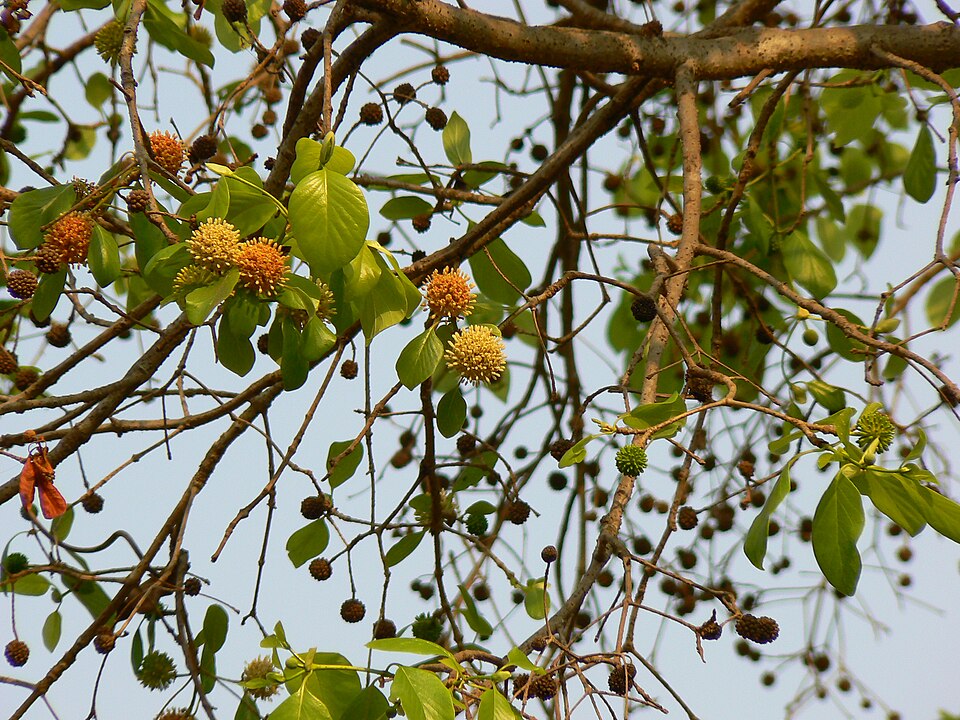
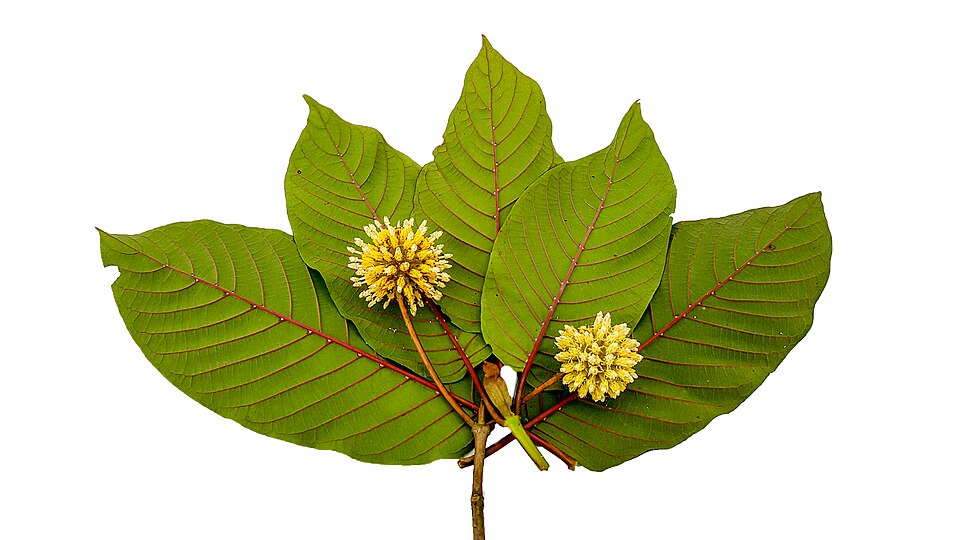
Kratom comes from Mitragyna speciosa, a tropical evergreen tree native to Southeast Asia. People have chewed its leaves or brewed them as tea. In the United States, kratom is commonly sold as powder, capsules, gummies, liquid shots, and flavored drinks.
The plant contains several active chemicals. The two best known are mitragynine and 7-hydroxymitragynine, called 7-OH. These chemicals interact with opioid receptors in the brain, although different kratom products can vary in strength and chemical content.
Lower amounts may produce effects that users describe as stimulating. Larger amounts can cause sedating and opioid-like effects. Some people use kratom for energy, pain, anxiety, or symptoms connected to opioid withdrawal.
No kratom product has been approved by federal regulators to treat any medical condition.
The North Dakota governor’s office said kratom had been available throughout the state without a minimum purchasing age or product rules. Products were sold in gas stations, convenience stores, smoke shops, and online. State leaders said buyers could not always know the strength or purity of what they were purchasing.
Armstrong said the state could not ignore reports of overdoses and deaths. Attorney General Drew Wrigley joined him in announcing the restrictions and warned that packaging could make some products appear harmless.
State officials reported 50 North Dakota deaths associated with kratom, 7-OH, or another related compound from 2019 through June 2026. In 23 cases, one or more of those substances were listed as part of the primary cause of death. They were listed as a contributing cause in one additional case.
The substances were found in toxicology results in the remaining 26 cases. Their presence does not prove that kratom alone caused those deaths. Other drugs, medical conditions, or circumstances may also have contributed, and state officials noted that testing for 7-OH did not begin until September 2025.
North Dakota Monitor reported that calls involving kratom to Poison Control rose from seven in 2024 to 22 in 2025. That was more than a threefold increase. At least three-fourths of calls recorded from 2021 through 2025 involved males, and nearly half involved people ages 20 to 39.
The state’s action has two separate parts.
The broad executive order temporarily prohibits all kratom products. A different emergency rule from the North Dakota Board of Pharmacy places 7-OH into Schedule I under state controlled-substance rules. That pharmacy rule is valid for 180 days while the administrative rulemaking process continues.
Schedule I is the state’s strictest drug category and is used for substances considered to have a high potential for abuse and no accepted medical use. Federal officials are taking a narrower approach.
The Drug Enforcement Administration announced plans in July to temporarily place highly concentrated 7-OH and three related substances into Schedule I. The federal action targets products above a stated concentration limit. It does not cover ordinary botanical kratom containing only naturally occurring trace amounts below that limit.
The federal order would control the manufacture, sale, distribution, and possession of covered products. It may remain in effect for two years, with a one-year extension while officials consider permanent controls.
The Food and Drug Administration has warned consumers against using kratom because of possible liver injury, seizures, dependence, withdrawal, and substance use disorder. It has also reported contamination involving Salmonella and unsafe levels of heavy metals.
The agency has focused special attention on concentrated 7-OH. Reported problems include addiction, anxiety, depression, stomach problems, insomnia, seizures, and withdrawal symptoms. The agency says no 7-OH product has been proven safe or effective for medical use.
Supporters of natural kratom argue that officials should separate traditional leaf products from highly concentrated products. Some users say botanical kratom has helped them manage pain or avoid illegal opioids. Those personal reports do not prove that kratom is safe or effective as treatment.
The American Kratom Association supports restrictions on concentrated 7-OH but opposes treating natural kratom leaf in the same way. The group favors age limits, manufacturing standards, accurate labels, product testing, and limits on dangerous compounds.
North Dakota officials chose a broader temporary ban because they said lower-strength products may still create health risks. The executive order states that products not covered by the 7-OH scheduling rule can still be linked to toxicity, seizures, substance use disorder, and deaths.
North Dakota lawmakers rejected a proposed kratom prohibition during the 2025 legislative session after hearing arguments from health officials, users, businesses, and advocates. The emergency order allows the issue to return before lawmakers sooner than the regular 2027 session.
Ten states have banned kratom, according to the governor’s office, while others regulate age, labels, testing, ingredients, or product strength. Tennessee and Kansas approved bans in July, and Kentucky has a ban scheduled to begin January 1, 2027. Retailers in North Dakota have been told to review their stock, identify affected products, contact suppliers, and remove kratom from sale before the order takes effect.
People who use kratom regularly may experience withdrawal if they stop suddenly. Symptoms can include restlessness, body aches, fatigue, irritability, sweating, sleep problems, and stomach distress. State officials urged residents who are concerned about dependence to contact a medical professional rather than handle serious withdrawal alone.
The emergency declaration is one of the strongest state responses to kratom. Its long-term effect will depend on what lawmakers approve during the September special session.