A major study published in March in the journal Nature Ecology and Evolution found that three-quarters of land and ocean species assessed were negatively impacted during a 2021 heat wave across western North America. The findings add scientific weight to what wildlife researchers have been observing for years: extreme heat is killing animals across every category of life.
According to Phys.org, heat waves can be brutal on wildlife. Gregoire Lois, an ornithologist at the National Museum of Natural History in Paris, said animals have fewer opportunities to adapt during sudden heat waves than under gradual warming. The difference is speed. Gradual temperature rise allows some behavioral and physiological adjustment. A sudden heat wave does not.
Birds are particularly at risk. Their body temperature already runs between 39 and 42 degrees Celsius, and it rises further during flight or foraging. Birds also lack sweat glands, which limits how they can shed excess heat. Instead, they cool down through evaporation via their respiratory tracts, a process that requires significant water and raises the risk of heat stress and dehydration. Nestlings that cannot yet fly are among the most vulnerable. "The young, suffocating from the heat, sometimes fall from the nest whilst searching for air," said the League for the Protection of Birds, a French wildlife NGO. Birds that nest under eaves, such as swifts and swallows, face the greatest exposure.
Mammals face different but equally serious risks. Vertebrates regulate body temperature through panting or sweating, but that process "results in greater water loss the smaller the animal is," Lois said. Anne-Laure Dugue, from the league's fauna in distress program, said the risk of hyperthermia or dehydration was particularly significant among hedgehogs and certain small rodents.
Larger animals are not spared. Species adapted to cold climates, including bears, bison, reindeer, and moose, find their thick fur becomes a liability when temperatures climb. Koalas face severe consequences even from moderate heat. A study of 20 years of observational data published in Biology Letters in May found that exposure to even a week of 27 degrees Celsius daytime highs greatly increases the chance of koala illness or death. Foxes can suffer burns to their paws from contact with scorching tarmac or sand.
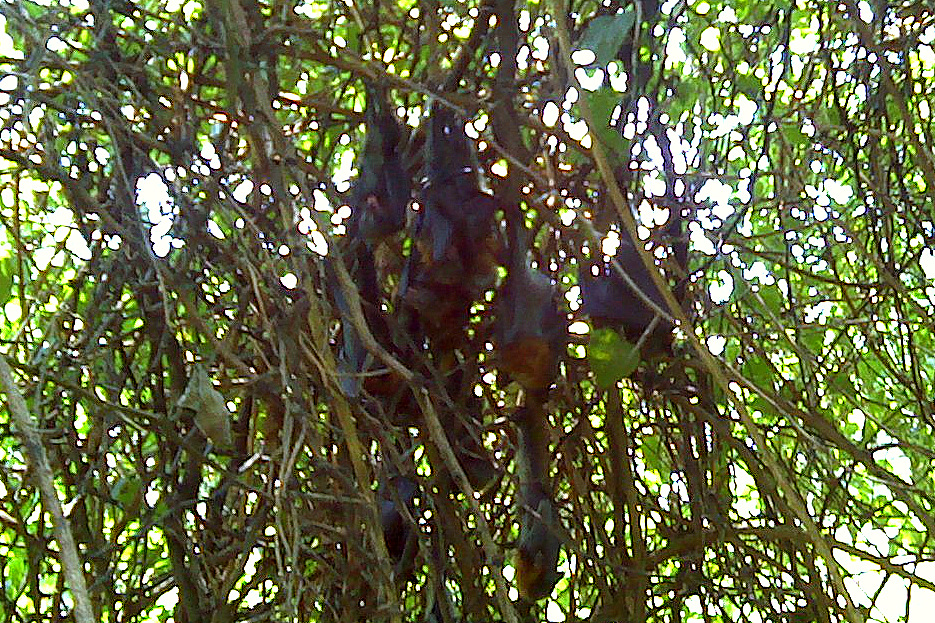
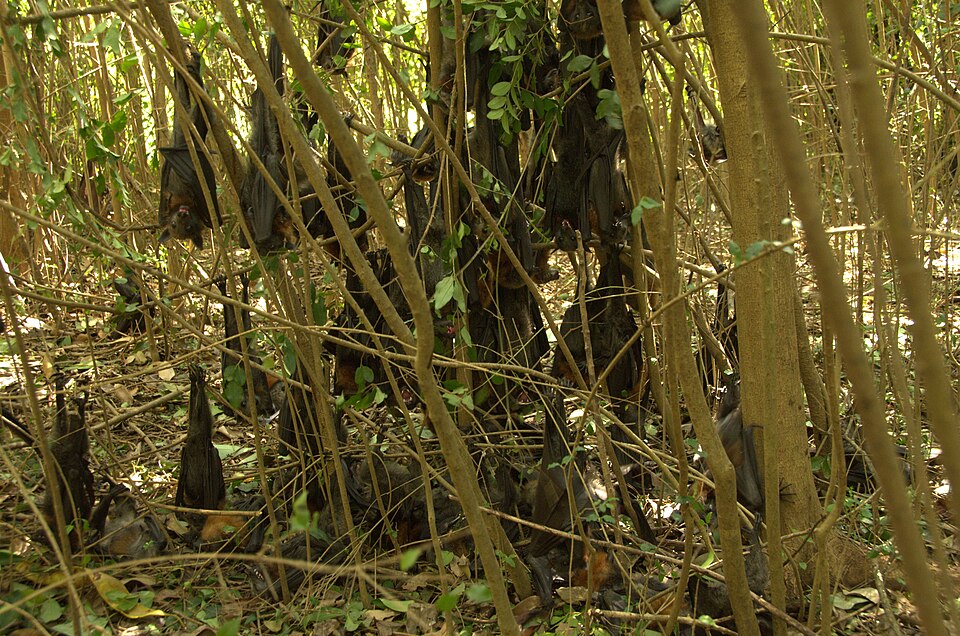
Bat populations have shown some of the most dramatic mass die-offs. In January 2026, thousands of flying foxes perished during a heat wave in southeastern Australia. The animals became disoriented and dehydrated and died in large numbers.
Invertebrates face a different structural problem. Most are ectothermic, meaning their body temperature is largely determined by their environment. When their thermal tolerance limit is exceeded, the consequences can be severe. Unlike birds or mammals, many invertebrates have limited ability to move away from a heat source. Some have none at all.
Researchers say the ecological impacts of heat waves have received far less attention than the human toll, despite evidence that entire food webs can be disrupted when key species are stressed or killed during extreme events. Breeding cycles, feeding patterns, and population structures all take hits that may not show up in the data for years.