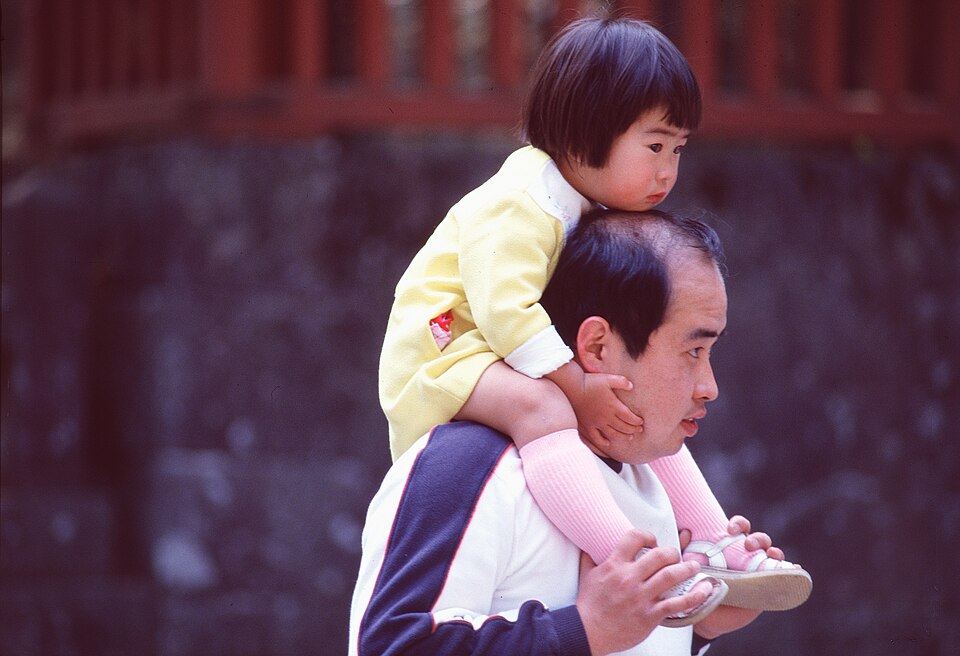
A single two-hour training session changed how much time Japanese fathers spent with their children and on household chores, adding roughly two hours per week to their contributions at home. That shift, reported by researchers at the University of Tokyo, had a direct effect on mothers. The extra help freed up 3.6 hours of time per week that mothers redirected toward their own paid work.
The study enrolled 1,200 male employees from four Japanese organizations. Participants were split into two groups. One group attended a work-life balance training session that addressed fears about career risks from taking paternity leave, and was led by working fathers. The other group received written information showing that their coworkers held positive attitudes toward paternity leave, a method meant to correct what researchers call pluralistic ignorance, the phenomenon where people privately support something but assume others do not.
The information-only approach corrected misconceptions. But only the men who attended the training session reported real changes in behavior.
Japan has one of the most generous parental leave policies in the world, offering both parents up to one year of paid leave following a birth or adoption. Despite that, uptake among fathers has been low for decades, rising from 2.65 percent in 2015 to 40.5 percent by 2024. The government has set a target of 85 percent by 2030. Even fathers who take leave rarely take the full year.
Professor Shintaro Yamaguchi from the Graduate School of Economics at the University of Tokyo pointed to the gap between what people privately believe and what they assume others think. "In fact, our data shows that private attitudes have already changed a great deal. It is the perception of others' attitudes that lags behind," he said.
Yamaguchi also described the structural pressures that keep fathers away from home. "Japan's employment system was built in the high-growth era around a male breadwinner who could devote unlimited hours to one firm, with a wife handling everything at home. Long hours and visible commitment are still how loyalty is signaled in many workplaces. Norms like these are self-perpetuating: People observe that few men take leave, conclude that taking leave must be frowned upon, and stay silent themselves," he explained.
Japanese women currently perform four times as much unpaid care work as men, one of the largest gender gaps of any country in the world. Yamaguchi and his team designed the study after observing that policies focused only on mothers, such as greater workplace flexibility, could only go so far without also supporting fathers in changing their roles at home.
The findings, reported by Phys.org, suggest that short, targeted workplace interventions can shift behavior in ways that ripple outward to affect the entire family. The researchers noted that the change in mothers' available work time was an unexpected outcome of a session that was not designed with that goal in mind.