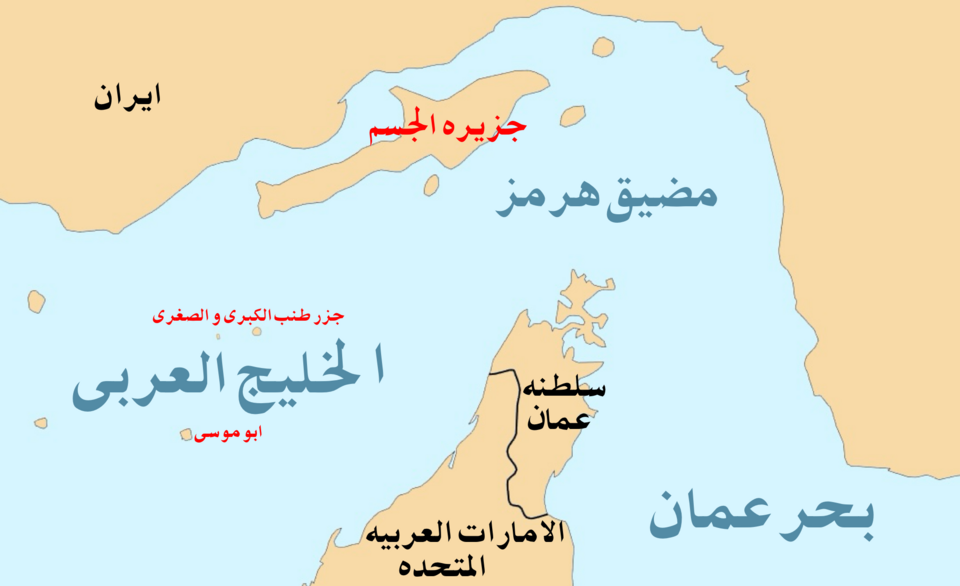
Iran's military announced Saturday it was closing the Strait of Hormuz, citing Israel's continued attacks in Lebanon and what it called a breach of a recently signed memorandum of understanding with the United States. U.S. Central Command disputed the claim, saying traffic continues to flow through the waterway.
The announcement came just days after a ceasefire agreement was signed between the U.S. and Iran, and it is the latest sign that the deal may be coming apart. Nearly 20 percent of the world's oil and natural gas passes through the strait, along with about 30 percent of the global fertilizer trade. Closure of the strait has caused global fuel costs to soar and has tested agricultural sectors around the world.
Trump responded Saturday by reiterating that ships would face no tolls during the 60-day ceasefire period. But he added a caveat.
"There will be NO TOLLS in the Hormuz Strait for 60 days during the Cease Fire Period, and there will be NO TOLLS after the 60 day period has expired," Trump wrote on Truth Social, "unless they are imposed by and for the United States of America."
That position conflicts with what is in the signed memorandum, which says Iran will allow ships to pass with no charge for 60 days only. The document does not address what happens after that period.
Mick Mulroy, a former Pentagon official who oversaw Middle East defense policy in the first Trump administration, told ABC News that Iran believes it is negotiating from a position of strength. He said Iran now has the power to choke off a fifth of the world's energy supply, a lever it did not exercise before the war.
"They're getting most of the benefits that we never thought that we would concede to -- by any administration -- before we even get into the nuclear discussions," Mulroy said.
Mulroy noted that Iran is already collecting sanctions relief and the ability to sell its oil, before substantive nuclear talks have even begun. He also said Trump is constrained by economic pressure and rising gas prices heading into the midterms.
Trump, for his part, has insisted that the war left Iran badly weakened, saying in social media posts Friday that the country has been "diminished" and declaring Iran "FINISHED."
Israel is also emerging as a complicating factor. Mulroy noted that Israel, which heavily influenced the U.S. decision to enter the war, has been cut out of a deal it does not want. He said that rather than the regime change Israel sought, Iran is left with what he described as a younger version of the same regime, and that the financial relief in the MOU could allow Tehran to rebuild its military beyond pre-war strength.
The memorandum was not intended as a long-term settlement. It serves as a starting point for negotiations on key issues, including the future of Iran's nuclear program. Before the war, there was no charge for passage through the Strait. Trump said in a prior interview with The New York Times that the waterway should remain permanently toll-free, but his Saturday post appeared to walk that back.