The U.S. Treasury cleared Iran to resume selling its oil and gas on global markets Monday, a move tied directly to a memorandum of understanding signed by President Trump last week. The Treasury confirmed it was waiving all existing U.S. sanctions on the production, delivery, and sale of crude oil, petrochemical products, and petroleum products of Iranian origin through August 21, 2026.
The waiver also allows the U.S. to import crude oil and other petroleum products of Iranian origin for domestic use. Iran's oil and gas sales had been heavily sanctioned since Trump launched his maximum pressure campaign on Tehran after withdrawing the U.S. from the nuclear deal negotiated by the Obama administration.
The lifting of sanctions will give Iran a significant financial boost while it continues negotiating with the U.S. to reclaim roughly $100 billion in frozen financial assets. The White House has said it can ensure those funds are used only for humanitarian purposes.
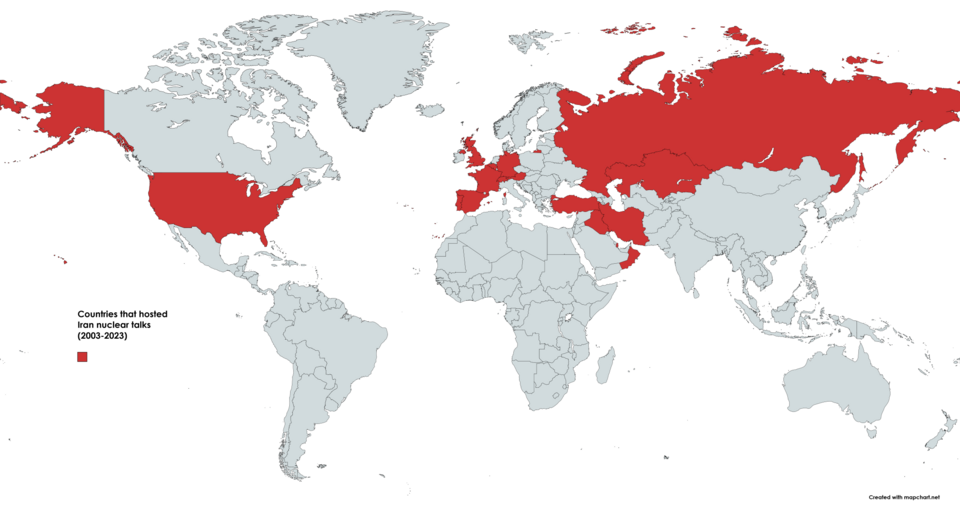
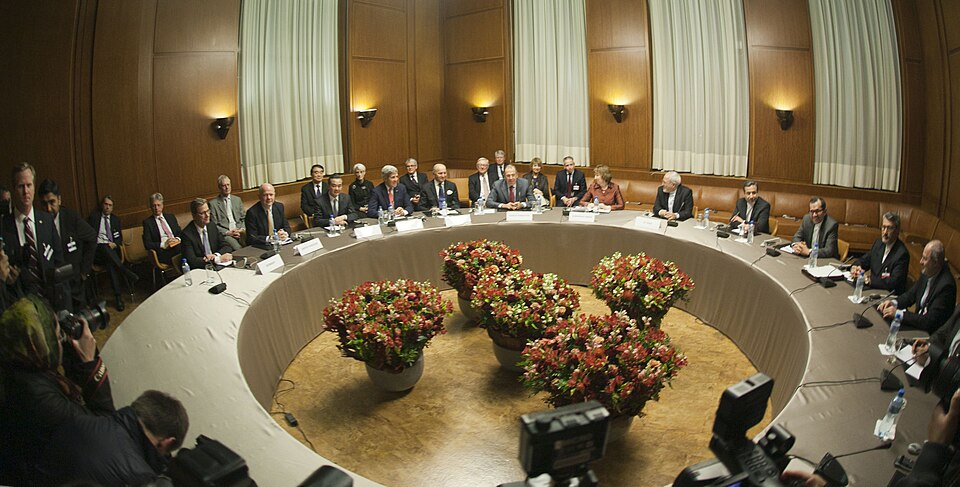
According to CBS News, Vice President JD Vance said Monday that Iran would allow nuclear inspectors to return to the country after what he called a "very, very good" first day of negotiations in Switzerland. Iran's foreign ministry, however, said earlier that real negotiations on the nuclear issue had not yet begun.
Mediators said the two sides agreed to establish a line of communication to avoid incidents and miscommunication in the Strait of Hormuz, a vital waterway for global commercial shipping. Iran, the U.S., and Lebanon also agreed to create a deconfliction cell to ensure that a ceasefire covering all fronts, including Lebanon, is respected. Iran's foreign minister described that arrangement as the first real test of the negotiations.
The question of Israeli forces in southern Lebanon remains unresolved. Israeli Prime Minister Benjamin Netanyahu said Monday that Israeli forces would remain in southern Lebanon, where they currently hold a strip of territory extending about six miles into Lebanese territory from the Israeli border. "My directive and that of the Minister of Defense to the IDF is clear and has not changed: Our fighters in southern Lebanon have full freedom of action to thwart any direct or emerging threat to them or to the residents of the north [of Israel]. The IDF has no restrictions in this regard," Netanyahu declared. Iran has said repeatedly that under its agreement with the U.S., Israeli forces must withdraw from Lebanon.