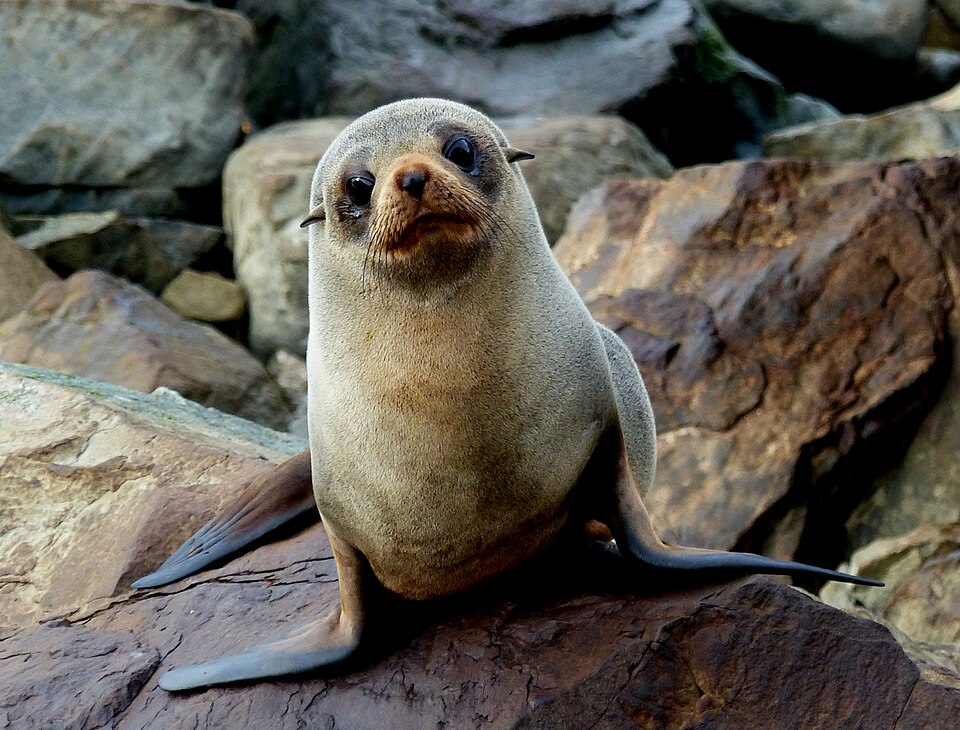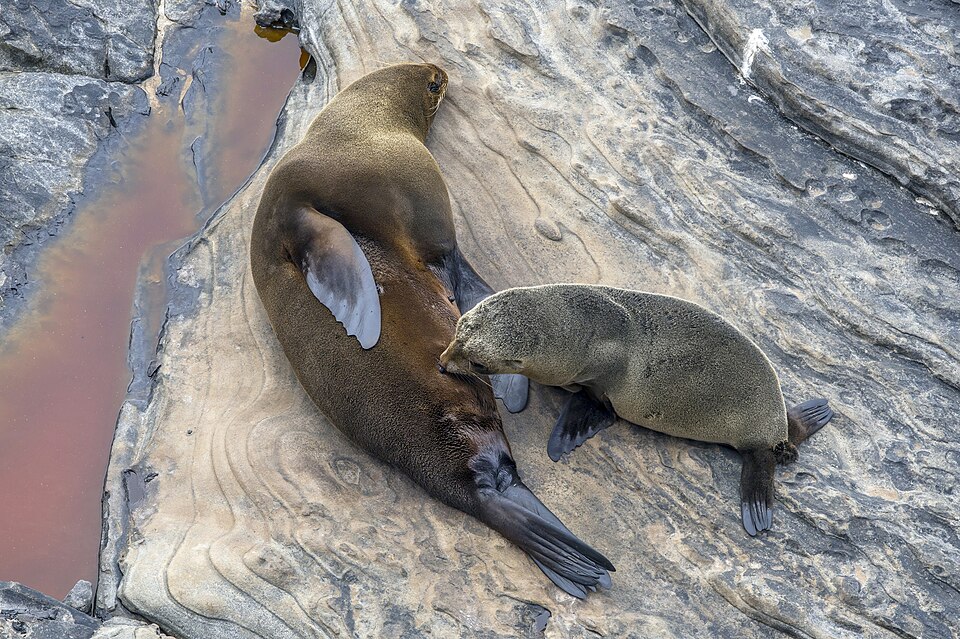
Storm waves are washing newborn seal pups into the sea. Heat is killing seabird chicks before they can fledge. A new study tracking 14 breeding colonies across Tasmania and Bass Strait found that extreme weather is cutting the reproductive success of three marine species during short, predictable windows when their young are most exposed.
The research, published in the journal Science Advances, analyzed long-term monitoring data from six Australian fur seal colonies, five short-tailed shearwater colonies, and three shy albatross colonies. Researchers also examined daily weather and ocean records and tested 19 types of extreme weather events to identify which had the strongest effects on breeding outcomes, and when.
The marine waters of southeast Australia are warming several times faster than the global average. Marine heat waves, heavy rainfall, and storms are becoming more frequent and more severe in the region. The species in this study are particularly exposed because they breed on land but depend on the ocean for food, meaning they face threats from both environments at once.
Each of the three species had what researchers called a distinct window of vulnerability, a short stretch of the breeding season when pups or chicks are most likely to be harmed by specific types of extreme weather.
For Australian fur seals at Tenth Island in Bass Strait, the danger comes from storm waves. Tenth Island sits only about 10 meters, or 33 feet, above sea level. Years when large waves hit during pupping season produced substantially lower pup numbers. Newborn pups that have not yet learned to swim can be washed into the sea, drowned, or separated from nursing mothers. The most dangerous window for that colony ran from late November to early January.
Not all seal colonies faced the same risk. Higher-elevation colonies such as those on Judgement Rocks and West Moncoeur Island appeared more resilient to wave impacts, suggesting that terrain offers some protection. That difference has implications for how conservationists might prioritize monitoring and intervention efforts.
The study matters in part because of how slowly these species can recover from repeated losses. Australian fur seals, short-tailed shearwaters, and shy albatross all raise only one pup or chick per year. A single bad breeding season can be absorbed. Several in a row can threaten the long-term health of an entire colony.
Short-tailed shearwaters and shy albatross face their own distinct patterns of vulnerability, tied to different types of weather at different stages of development. By identifying those windows precisely, the researchers aimed to give wildlife managers a clearer picture of when intervention or protection measures would have the most effect.
The findings add to a growing body of research showing that climate-driven changes are not affecting wildlife evenly across time or space. The timing of an extreme weather event, measured in weeks or even days, can determine whether a breeding season succeeds or collapses.