More than 700 million people currently live with caloric hunger, and more than 2 billion suffer from micronutrient deficiencies, sometimes called hidden hunger. A new body of research suggests climate change will make that problem considerably worse, specifically by reducing the nutritional content of one of the world's most important crops.
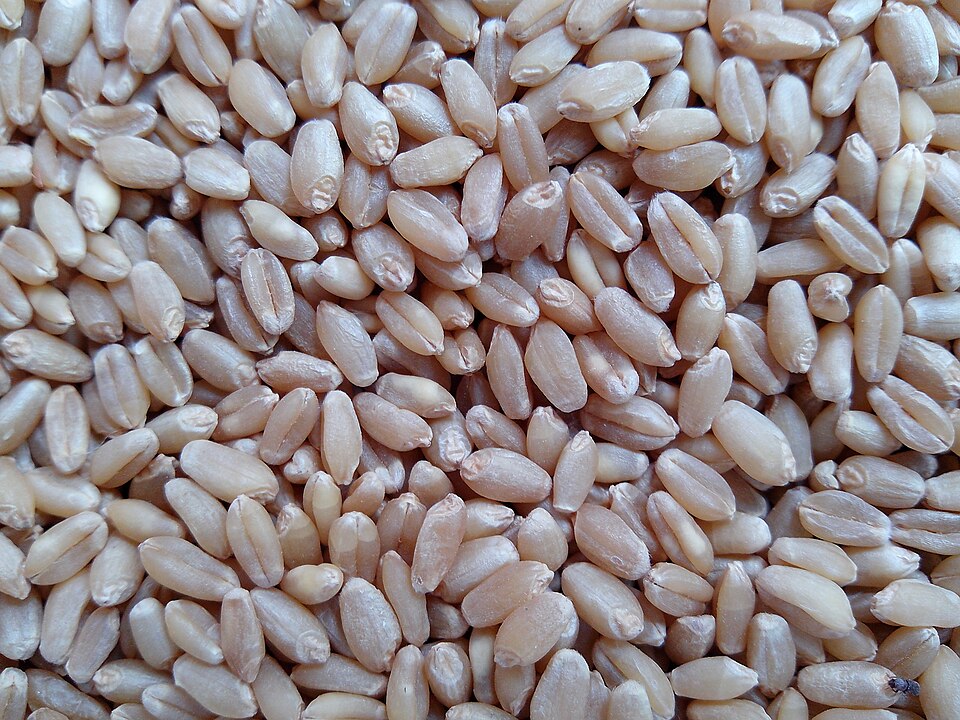
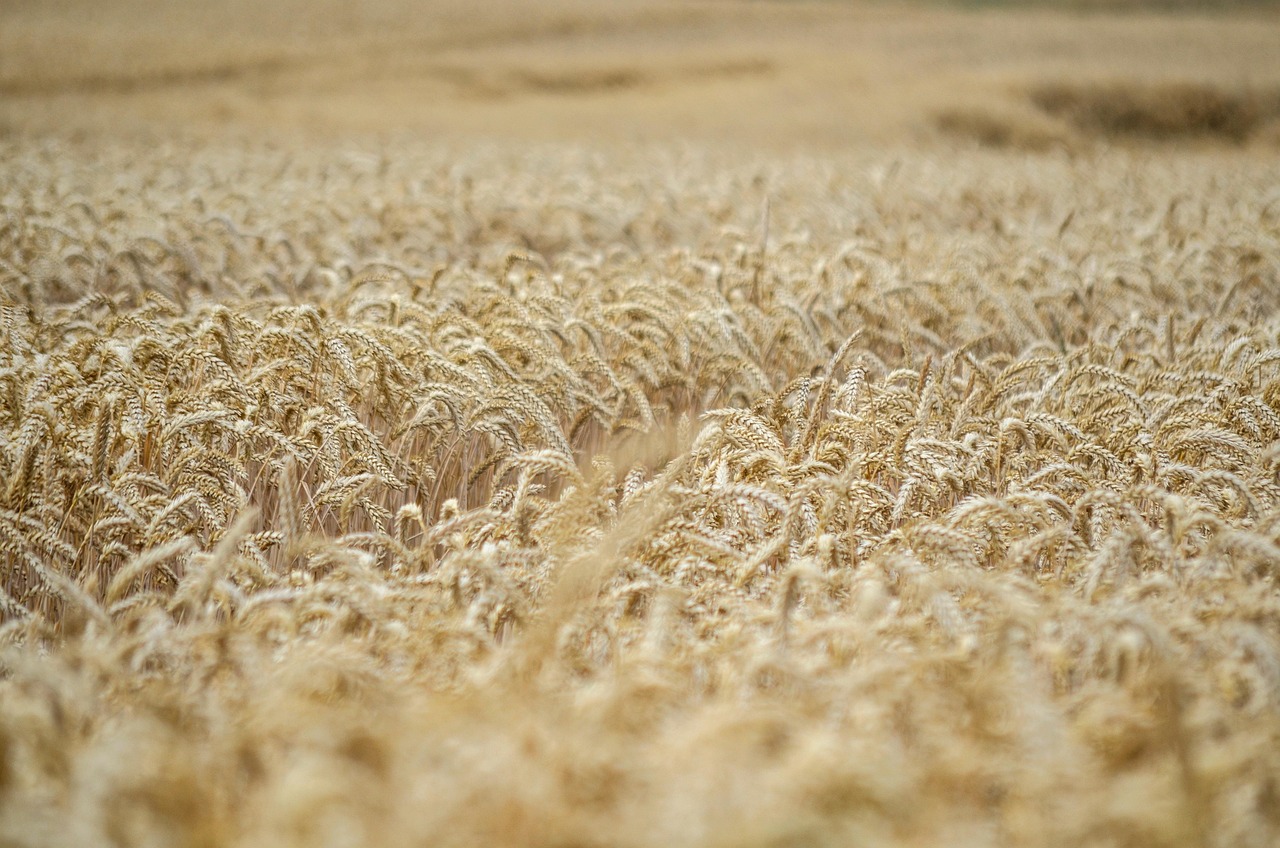
A study led by Professor Dominique Van Der Straeten from the Laboratory of Functional Plant Biology at Ghent University in Belgium found that future climate scenarios will strongly reduce the density of multiple B vitamins and minerals in wheat grains. The work, published in the journal Advanced Science, was conducted in collaboration with the University of Liège.
According to Phys.org, the findings point to a dual problem. Global agriculture has long prioritized high yield over nutritional quality, which increased calorie production but worsened vitamin and mineral deficiencies. Climate stress compounds this by further reducing nutrient densities in crops that billions of people depend on.
In a related opinion review published in Nature, Van Der Straeten and colleagues from institutions around the world examined whether genetic technologies could address the problem. The review looked at a range of tools, with particular attention on CRISPR-Cas, a genome editing technology already adopted by many countries that allows changes to be made to a plant's DNA with high precision.
The authors found that CRISPR-Cas could potentially be used to raise micronutrient densities in crops to levels that would help address dietary vitamin and mineral deficiencies. The technology works by editing the plant genome rather than introducing foreign DNA, which has made it more acceptable in regulatory frameworks in a number of countries compared to older forms of genetic modification.
The review also addressed the timeline problem. The United Nations Sustainable Development Goal 2, which aims to end hunger, targets the year 2030. The authors argued that the window to develop and deploy nutritionally improved crops is narrow. Because of that, the paper argued that CRISPR-Cas should be used alongside other genetic engineering technologies, including transformation, to move fast enough to matter.
The combination of two separate publications, one documenting the specific nutritional threat to wheat and one examining the genetic tools available to respond, together make the case that both the problem and a possible path forward are now better understood.
Wheat is a staple food for a large portion of the global population, particularly in Europe, the Middle East, and parts of Asia and Africa. Reductions in its B vitamin and mineral content would affect populations that already face dietary deficiencies, particularly in lower-income countries where dietary diversity is limited and wheat provides a large share of daily nutrition.
The researchers did not specify a timeline for when climate-driven nutrient losses in wheat would become severe, but the study indicated that the effects would be tied to future climate scenarios that are already considered likely under current emissions projections.