A Lyme disease vaccine is moving closer to possible approval in the United States, and the people most likely to need it have complicated feelings about it. Hunters spend more time in tick-heavy terrain than almost anyone, but according to reporting by NPR, their willingness to get vaccinated varies widely.
NPR spoke with hunters to gauge how a Lyme disease vaccine might be received if it clears regulatory approval. The responses ranged from cautious interest to outright skepticism, reflecting broader tensions in rural communities around new vaccines and government health recommendations.
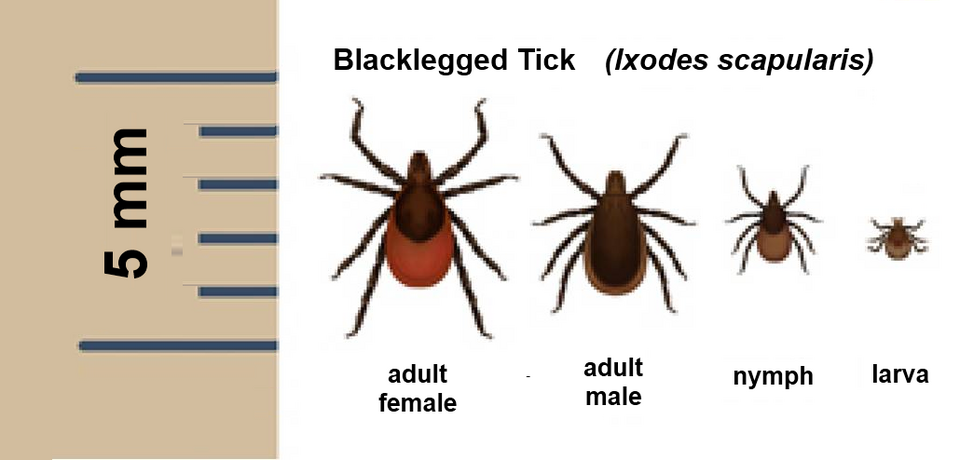
Lyme disease is caused by the bacterium Borrelia burgdorferi and is spread through the bite of infected blacklegged ticks, also called deer ticks. The disease is the most common vector-borne illness in the United States. Symptoms can include fever, fatigue, joint pain, and a distinctive bulls-eye rash. If left untreated, the infection can spread to the joints, heart, and nervous system.
Hunters are considered a high-risk group because they spend significant time in wooded and grassy areas where ticks are most active, particularly during fall deer seasons. Many hunters already take precautions such as wearing long sleeves, using insect repellent, and checking their bodies for ticks after time outdoors. For some, those habits feel sufficient. For others, a vaccine would be a welcome additional layer of protection.
The vaccine currently furthest along in development is VLA15, made by Pfizer and Valneva. It targets six strains of Borrelia and has been tested in late-stage clinical trials. The Centers for Disease Control and Prevention estimates that roughly 476,000 Americans are diagnosed and treated for Lyme disease each year, though the actual number of infections is believed to be higher.
Some hunters told NPR they would get the vaccine without hesitation, pointing to personal experience with Lyme disease or knowing someone who had suffered long-term effects. Others expressed hesitation, citing concerns about the speed of vaccine development or a general distrust of pharmaceutical companies. A few said they would wait to see how the vaccine performed after approval before deciding.
The divide among hunters mirrors patterns seen in broader vaccine uptake across rural America. Trust in public health institutions has eroded in some communities since the COVID-19 pandemic, and that skepticism does not always track along simple political lines. Some hunters who described themselves as skeptical of COVID vaccines said they would be open to a Lyme vaccine because the disease is something they personally fear and have direct experience managing.
Public health officials have long struggled to reach high-exposure populations with prevention messaging on Lyme disease. A vaccine could change the calculus significantly if uptake is high enough among people who spend the most time outdoors. Whether hunters, as a group, will embrace it remains an open question as the approval process continues.