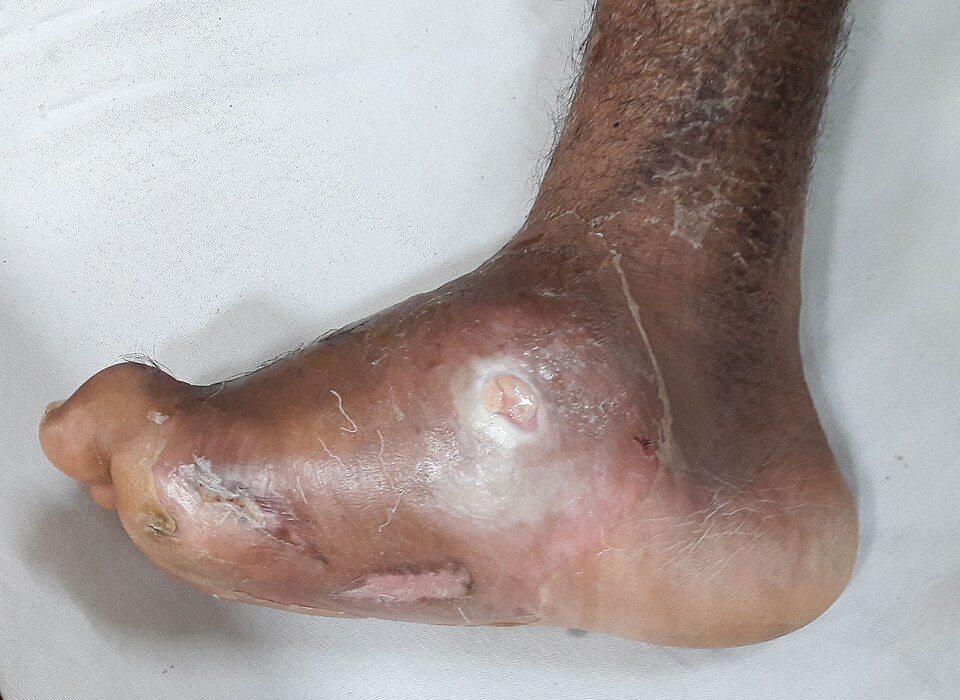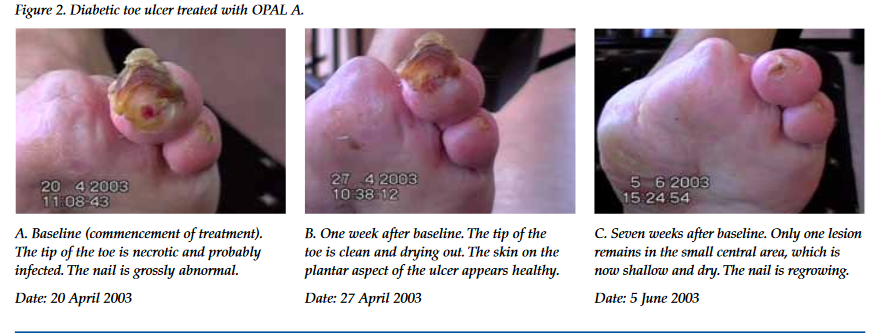
Researchers in Australia have developed a smartphone-based thermal imaging system designed to assess diabetic foot ulcers, a complication that causes serious harm to millions of people with diabetes worldwide. The technology could make it easier to catch dangerous wound changes before they require hospitalization or amputation.
According to MobiHealthNews, the tool uses thermal imaging capabilities paired with a smartphone to evaluate foot ulcers in diabetic patients. Diabetic foot ulcers are a leading cause of lower limb amputations globally and often go undetected until they have reached a dangerous stage.
People with diabetes are at elevated risk for foot ulcers because the disease can cause nerve damage and poor circulation in the extremities. Reduced sensation means patients may not notice injuries or infections until significant tissue damage has already occurred. Early detection is considered critical to preventing the most severe outcomes.
Thermal imaging works by detecting heat patterns in tissue. Changes in temperature across a wound or the surrounding skin can indicate infection or altered blood flow, both of which are important clinical signals. The approach is not new in medical settings, but integrating it into a smartphone platform could make it far more portable and accessible.
The Australian development aims to bring this kind of assessment out of specialized clinical environments and into more routine care settings, or potentially into patients' homes. Greater accessibility could reduce the lag time between a wound developing and a clinician evaluating it.
Diabetic foot complications represent a significant burden on health systems. Patients who develop severe ulcers often face lengthy hospital stays, repeated procedures, and in the worst cases, amputation of a foot or leg. Earlier intervention consistently improves outcomes in research on wound care.
The development adds to a growing body of work using smartphone technology to extend clinical-grade diagnostic tools to broader populations. Researchers continue to test and refine such tools before widespread deployment in healthcare settings.