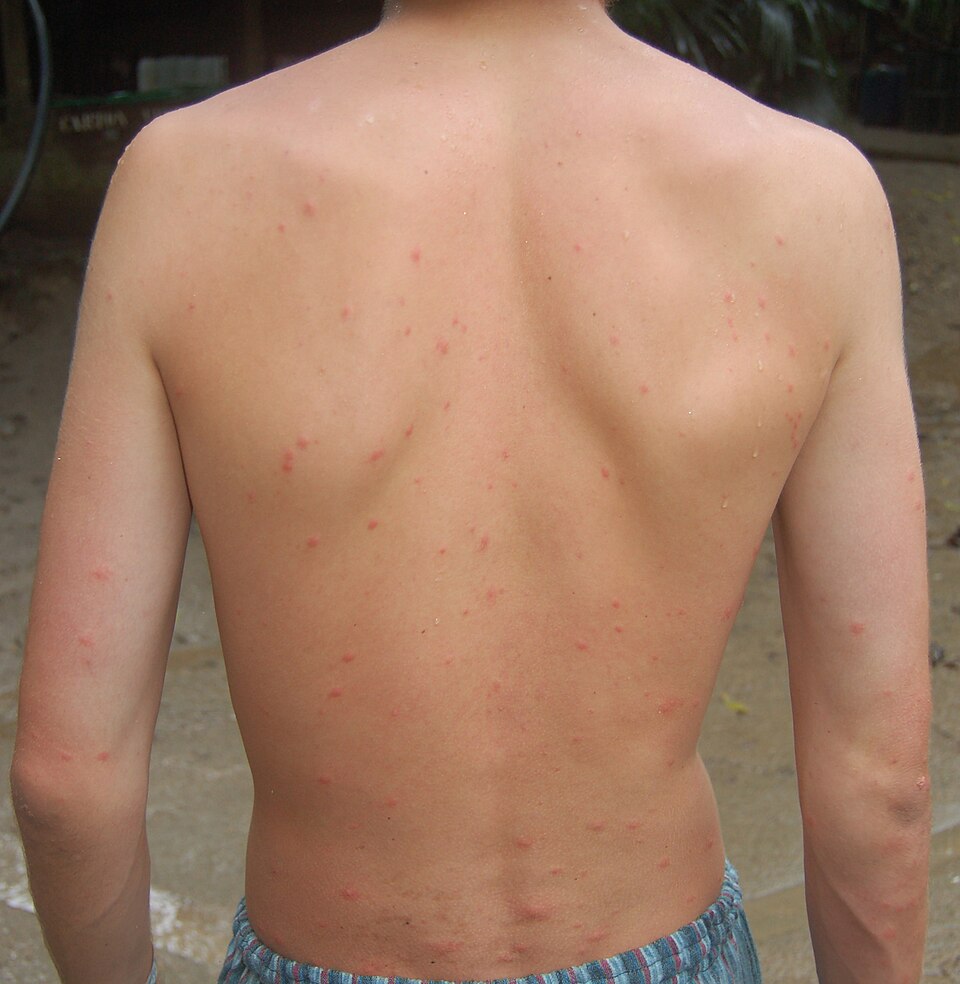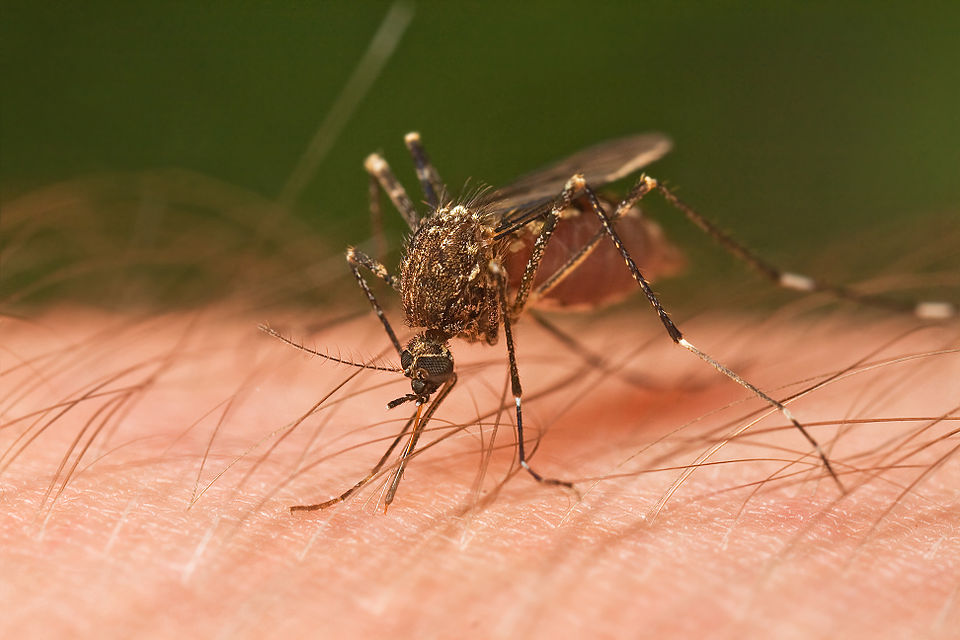
Scratching a bug bite feels satisfying for a moment, but science shows it makes things worse. According to U.S. News and World Report, researchers have studied the biological mechanism behind the itch-scratch cycle and found that scratching triggers a chain reaction in the body that amplifies the itch rather than ending it.
When a mosquito or other insect bites, it injects saliva into the skin. The body recognizes proteins in that saliva as foreign and mounts an immune response. Mast cells in the skin release histamine, a chemical that causes blood vessels to dilate and triggers the itch signal sent to the brain. That sensation is the body's alert system, designed to prompt a response to something irritating the skin.
Scratching provides brief relief because it creates a mild pain signal that temporarily overrides the itch signal in the nervous system. The two signals travel along different nerve pathways, and the pain from scratching can interrupt the itch message reaching the brain. That interruption is what feels satisfying in the moment.
However, scratching also damages skin cells and causes the release of additional inflammatory chemicals, including serotonin. Serotonin, best known for its role in mood regulation, also plays a role in itch signaling. When released in the skin, it can actually reactivate itch receptors and intensify the sensation, sending the person back to scratch again. This loop is what researchers describe as the itch-scratch cycle.
Repeated scratching can also break the skin barrier, creating small openings that allow bacteria to enter. This raises the risk of secondary skin infections, particularly in people who scratch in their sleep or who have conditions like eczema that make the skin more vulnerable to begin with. Inflammation from repeated scratching can also cause the skin to thicken over time, a process called lichenification.
Dermatologists generally recommend cold compresses, topical antihistamine creams, or over-the-counter hydrocortisone to manage bug bite itch. These approaches target the histamine response directly rather than simply masking the itch signal the way scratching does.
The research adds detail to a sensation most people experience dozens of times a year without thinking much about the biology behind it. Understanding why scratching backfires does not necessarily make it easier to stop, but it gives a clearer picture of what is happening under the skin after a bite.