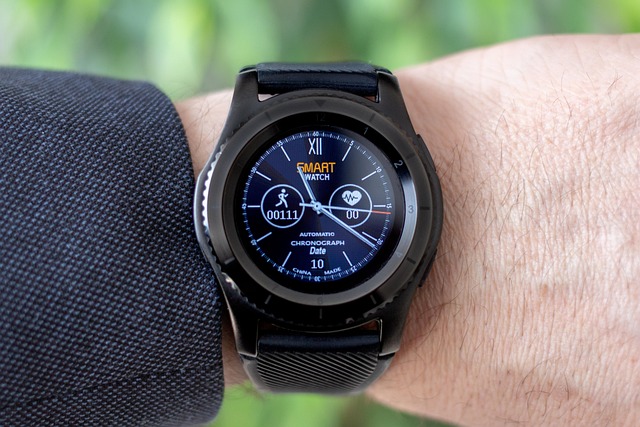
A patient with no prior psychiatric history began performing electrocardiograms on her smartwatch at a rate that alarmed her own doctors. By the end of the year, she had done more than 900 of them. Inconclusive alerts drove her to multiple emergency room visits, created conflict with her spouse, and eventually required therapy before she could reclaim her daily routine.
According to a report by CNET, Dr. Lindsey Rosman, assistant professor of medicine in the Division of Cardiology and co-director of the Cardiovascular Device and Data Science Lab at the University of North Carolina School of Medicine, described the case. "We published a case report on a patient who performed over 900 EKGs [electrocardiograms or ECGs, which measure the heart's electrical activity] on her smartwatch in a single year," Rosman said. The patient had no psychiatric history before getting the device.
Rosman noted that the broader question of whether constant access to health data helps or harms people remains unresolved. "Healthy adults and individuals with pre-existing medical conditions are increasingly using these devices to manage their health. Whether 24/7 access to health information from a wearable actually helps or potentially harms people is really unclear," she said.
Health anxiety, also called hypochondria or illness anxiety disorder, involves persistent worry about being or becoming ill even when a person is healthy. Wearables that monitor heart rate, blood oxygen, irregular rhythms, and other metrics can feed that anxiety with a steady stream of alerts, some of which may be triggered by sensor inaccuracies. Certain medications can affect the accuracy of wearable sensors, producing false alarms.
Rosman said it can be clinically beneficial for some users to scale back or turn off features that trigger anxiety. She said this is especially true for people with pre-existing conditions already being treated, such as atrial fibrillation. For those patients, irregular heart rhythm notifications can prompt unnecessary doctor visits.
Dr. Karen Cassiday, author of Freedom from Health Anxiety and managing director of the Anxiety Treatment Center of Greater Chicago, said the problem is not limited to people who already have health anxiety. "They discover they want to be less aware of every moment of their body's functioning," she said, referring to patients who find constant alerts intrusive even without a prior anxiety diagnosis.
Most wearable health features can be turned off or customized. Experts interviewed by CNET recommended that users consider which alerts genuinely serve them and which ones feed a cycle of checking and worry. For people who use AI chatbots built into wearable apps to research every symptom that appears, that cycle can become harder to interrupt.
The overlap between health monitoring technology and mental health outcomes is a growing area of clinical concern, particularly as wearables become more sophisticated and more widely used.