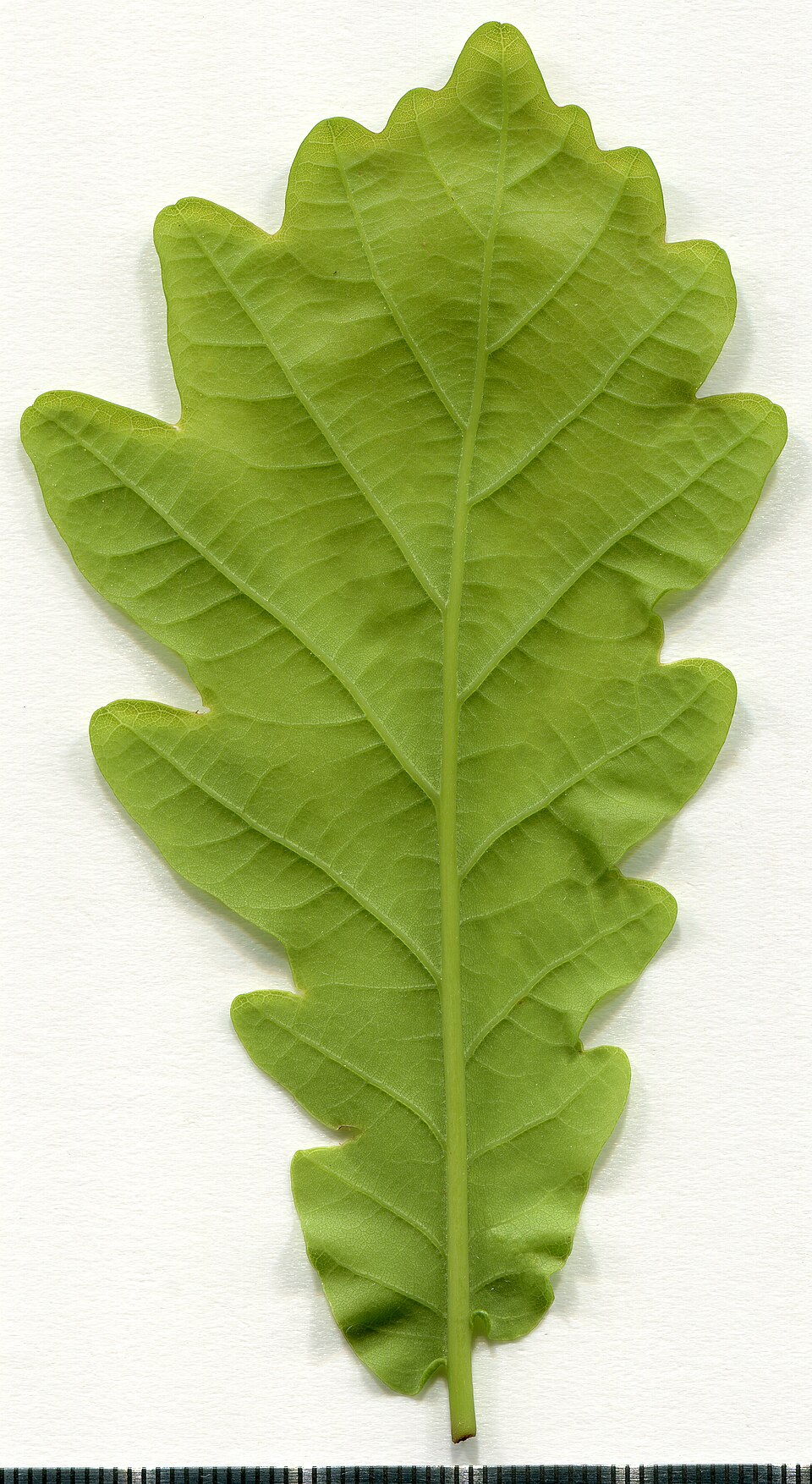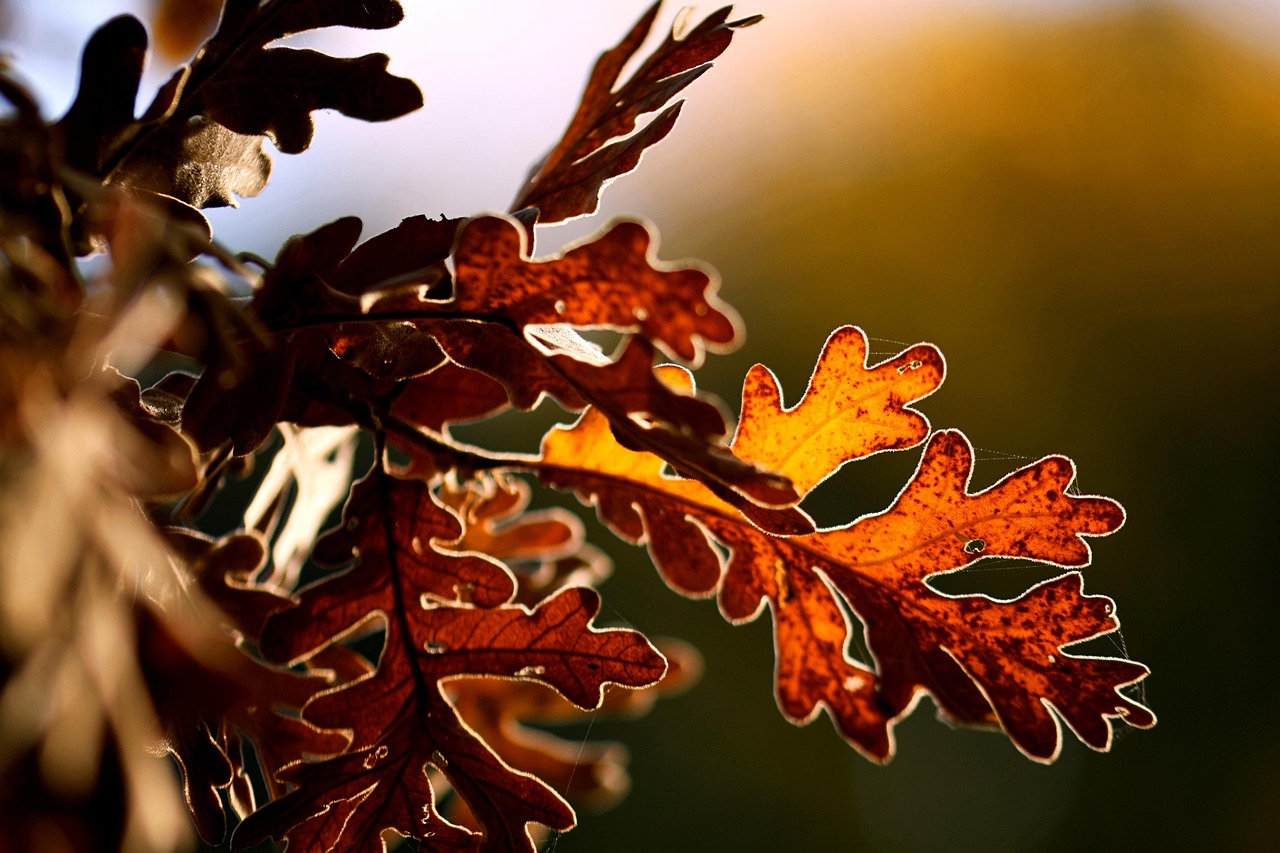
Oak leaves look uniform from a distance, but the top and bottom of a single leaf are home to entirely different communities of microscopic life. A study published in New Phytologist on August 2 found that the upper and lower surfaces of Quercus robur, the common oak, function as two distinct microbial habitats with different bacterial populations that grow further apart as the seasons change.
According to Phys.org, researchers from the Xishuangbanna Tropical Botanical Garden of the Chinese Academy of Sciences, along with collaborators, conducted the study in a mixed forest in central Germany. They tracked bacterial communities on both surfaces of the same leaves from spring through autumn, using genetically identical oak trees to eliminate variability from the host plant.
The physical conditions on each surface are very different. The upper surface, known as the adaxial surface, faces direct sunlight, ultraviolet radiation and wind. The lower surface, called the abaxial surface, is shadier, more humid and covered with stomata, which are the tiny pores leaves use for gas exchange. Those contrasting environments support bacteria with different survival strategies.
"The upper surface selects for stress tolerance, while the lower surface fosters host- and insect-mediated interactions in a sheltered niche," said Yin Xiangbo from XTBG, the first author of the study.
The researchers used high-throughput 16S rRNA gene sequencing alongside detailed measurements of leaf traits including wettability, pigment content and stomatal distribution. That combination allowed them to connect changes in bacterial communities to changes in the physical properties of the leaf itself.
Their results showed that the upper surface hosted stress-tolerant bacterial genera while the lower surface favored sugar-fermenting taxa and insect-associated bacteria. Bacterial richness on the two surfaces remained roughly comparable through most of the growing season. Then, in autumn, a sharp split occurred. Richness on the upper surface rose significantly while the lower surface experienced notable declines in both diversity and abundance.
The study also found differences in how the two surfaces related to the host plant over time. Lower-surface microbial communities were tightly coupled with the oak's shifting physiological traits as the season progressed. Upper-surface communities, by contrast, appeared largely independent of host traits. Upper-surface microbiomes also remained more stable across the full season, while lower-surface communities experienced strong seasonal filtering, losing diversity over time.
The researchers noted that most previous studies on leaf microbiomes have treated leaves as a single unit, combining samples from both surfaces. That approach, they argue, has overlooked a critical dimension of how microbial life is organized on plants. Leaf surfaces as a whole represent one of the largest microbial habitats on Earth, and the distinction between top and bottom may matter more than previously recognized.
The findings suggest that future research into plant-microbe relationships will need to account for which surface of a leaf is being sampled, and that seasonal timing plays a major role in shaping what lives there.