

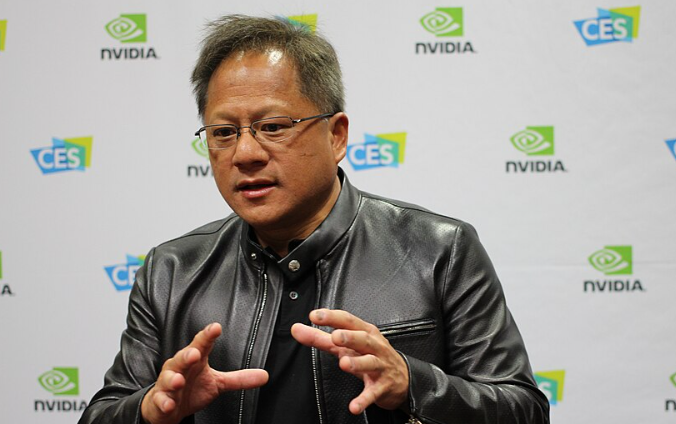
Nvidia has launched an independent investigation into CEO Jensen Huang following reports that he had a romantic relationship with a Chinese business executive suspected of gathering intelligence for Beijing. The company announced the investigation on Sunday, November 8, 2026, after Huang acknowledged being unfaithful to his wife and apologized to his family and colleagues.
The inquiry centers on Huang's relationship with Alice Huang, a former executive at Singapore-based technology company Megaspeed. U.S. intelligence officials reportedly believe she was recruited by China's Ministry of State Security to obtain information about Nvidia and potentially influence decisions involving advanced artificial intelligence chips.
Nvidia's board said it has no reason to believe that American national security or the company's confidential information was compromised. Independent directors will oversee the investigation with assistance from outside legal counsel.
Huang, 63, has pledged to cooperate fully and will remain Nvidia's chief executive during the investigation.
Nvidia Board Announces Independent Investigation
The investigation follows several reports about Alice Huang's alleged connections to Chinese intelligence and her relationship with Nvidia's founder. The allegations have attracted attention because Nvidia makes some of the world's most advanced chips used in artificial intelligence systems.
In its November 8 statement, Nvidia's board said it was responding to reports that Huang had been targeted by a foreign intelligence operation. The board established a committee of independent directors to examine the available evidence.
The company emphasized that its investigation is intended to establish the facts rather than assume that confidential information was disclosed. Its statement also expressed continued confidence in Huang and his leadership team.
The board said protecting American national and economic security remains a priority for Nvidia. It promised additional updates when appropriate but did not announce a timetable for completing the review.
The investigation comes as Nvidia faces growing scrutiny over the international distribution of advanced AI chips. U.S. officials have repeatedly raised concerns that restricted technology could reach China through intermediaries in other countries.
Jensen Huang Apologizes to Employees and Family
Huang addressed the controversy in a message to Nvidia employees on Sunday. He acknowledged that he had been unfaithful to his wife and accepted personal responsibility for his actions.
"I was unfaithful to my wife. My actions hurt her and our children," Huang wrote in the message, which was obtained by The Associated Press and other news organizations.
He apologized to his family, colleagues and shareholders, acknowledging that his actions had damaged the trust placed in him. Huang also asked that his family be given privacy while dealing with the situation.
The Nvidia founder said leading the company remained an important responsibility and that he would work to regain the confidence of those affected. He also committed to supporting the independent investigation.
Huang addressed the national security concerns separately, saying he was committed to protecting Nvidia and supporting the United States. He did not provide a detailed public account of the information he may have discussed with Alice Huang.
Nvidia spokesperson John Rizzo said the investigation would not interrupt Huang's leadership of the company. The board has not announced any suspension or change in his executive responsibilities.
Who Is Alice Huang?
Alice Huang, also known as Huang Le, previously worked as an executive at Megaspeed, a Singapore-based company that purchases Nvidia technology for artificial intelligence computing operations. She is a Chinese citizen and is not related to Jensen Huang.
According to reporting published in late October and early November, U.S. intelligence officials had been examining her contacts and possible connections to China's intelligence services.
A reported intelligence memorandum alleged that China's Ministry of State Security recruited Alice Huang to gather information about Jensen Huang and Nvidia's business activities. The reports also suggested that she was expected to encourage policies allowing more advanced American AI chips to reach China.
These accusations remain allegations reported by news organizations citing intelligence information. The underlying evidence has not been made fully available to the public, and Nvidia's investigation has not established that Alice Huang obtained company secrets.
Before Huang's admission of infidelity, Nvidia had characterized his interactions with Alice Huang as ordinary business contacts. The company explained that its chief executive routinely meets customers and technology executives around the world.
Nvidia also said its regional cloud customers receive ordinary commercial information rather than sensitive trade secrets or classified material. The company has not publicly identified any confidential information that was improperly shared.
The Chinese government has denied involvement in an intelligence operation targeting Jensen Huang, according to Axios. The competing accounts leave important questions about the alleged recruitment and its objectives unresolved.
Megaspeed Faces Questions Over Nvidia Chip Exports
Megaspeed's role in the controversy extends beyond its former executive's relationship with Huang. The company has faced scrutiny from U.S. authorities over concerns that advanced Nvidia chips may have reached Chinese customers despite American export restrictions.
The U.S. Commerce Department has examined whether Megaspeed helped businesses in China obtain restricted AI computing equipment through overseas transactions. These concerns involve the broader challenge of monitoring sophisticated technology sold through international supply chains.
The allegations have not established that Megaspeed violated American law. No finding of wrongdoing against the company should be assumed solely from the reported investigation.
Nvidia chips are used to train and operate powerful artificial intelligence systems, including large language models and advanced computing applications. Their capabilities have made them economically valuable and strategically important to governments.
The United States has imposed restrictions on exports of certain high-performance chips to China, citing national security concerns. The rules have changed over time, with the Trump administration permitting some sales under specific conditions while maintaining restrictions on other technologies.
Nvidia has repeatedly argued that its participation in international markets supports American technological leadership. The company also maintains that it complies with applicable export controls.
Congressional Leaders Request Briefing From Huang
The allegations have prompted scrutiny from members of Congress responsible for foreign affairs, intelligence and competition with China. Three Republican committee chairmen requested a private briefing from Huang concerning the reported intelligence operation.
The November 4 letter was signed by House Foreign Affairs Committee Chairman Brian Mast, House Select Committee on China Chairman John Moolenaar and House Intelligence Committee Chairman Rick Crawford.
The lawmakers requested information about Nvidia's security procedures and Huang's interactions with Alice Huang. They raised concerns about possible Chinese access to sensitive American technology and business information.
Reuters reported that the lawmakers requested a closed-door briefing on November 18. Their letter also sought a response from Huang's representatives about scheduling the meeting.
The congressional request does not establish that Huang knowingly provided information to a foreign intelligence service. It reflects lawmakers' desire to investigate the circumstances and determine whether additional security measures are necessary.
Nvidia has said it takes information from the U.S. government about potentially concerning individuals or organizations seriously. The company maintains that it acts appropriately when authorities identify security risks involving its customers or business partners.
Nvidia Faces Growing Pressure in the AI Industry
The investigation arrives during a period when Nvidia plays a central role in the global artificial intelligence industry. Its graphics processing units power many of the computing systems used by major technology companies and AI developers.
Huang co-founded Nvidia in 1993 and has remained its chief executive throughout its development from a graphics-chip manufacturer into a dominant supplier of AI computing hardware.
The company's market capitalization reached $5 trillion in 2026, reflecting investor expectations for continued spending on AI infrastructure. That valuation also illustrates the financial importance of confidence in Nvidia's leadership and business relationships.
Any uncertainty involving Huang could attract particular attention because of his long-standing role in shaping Nvidia's technology strategy and relationships with customers. However, the company has not announced operational changes related to the investigation.
Huang has also maintained regular contact with President Donald Trump and other administration officials concerning trade policy, tariffs and technology exports. Those relationships have increased scrutiny of his influence over decisions affecting sales of advanced chips to China.
President Trump described Huang as honorable when asked about the controversy, according to Reuters. The president said he had not discussed the allegations directly with him.
The questions surrounding Huang therefore extend beyond his personal conduct. Investigators and lawmakers are examining whether an alleged intelligence operation could have influenced business discussions involving strategically important American technology.
What Happens Next in Nvidia's Investigation?
Nvidia's independent directors will review the available information with outside legal advisers. The company has not specified whether the investigation will include interviews with Alice Huang, a review of communications or cooperation with U.S. intelligence agencies.
The outcome will depend on evidence that has not yet been publicly disclosed. Key questions include the nature of the alleged intelligence operation, what information Alice Huang may have obtained and whether any company safeguards were bypassed.
For now, Huang remains chief executive, and Nvidia says its normal operations will continue. The board has emphasized that it currently has no reason to believe company secrets or national security were compromised.
Congressional scrutiny provides another immediate development to watch. The requested November 18 briefing could give lawmakers an opportunity to question Huang about Nvidia's security practices and his interactions with the former Megaspeed executive.
The board's investigation will be important in distinguishing verified events from allegations involving foreign intelligence activity. Until additional evidence emerges, the reported espionage effort and any possible impact on Nvidia remain unresolved.