Many people notice their waistline expanding as they age, even when their overall body weight barely changes. Scientists have long suspected something beyond simple overeating was driving that shift. Now, researchers may have found a specific biological mechanism responsible.
A team at City of Hope identified a newly discovered type of stem cell that appears during aging and appears to fuel the production of new fat cells, especially in the abdominal region. Their findings were published in the journal Science on June 27, 2026, and were reported by Science Daily.
"People often lose muscle and gain body fat as they age -- even when their body weight remains the same," said Qiong (Annabel) Wang, Ph.D., the study's co-corresponding author and an associate professor of molecular and cellular endocrinology at City of Hope's Arthur Riggs Diabetes & Metabolism Research Institute. "We discovered aging triggers the arrival of a new type of adult stem cell and enhances the body's massive production of new fat cells, especially around the belly."
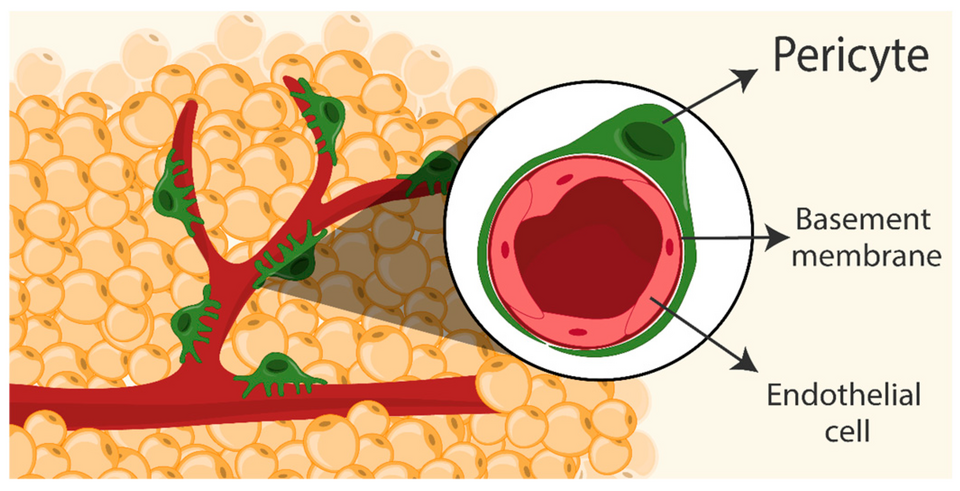
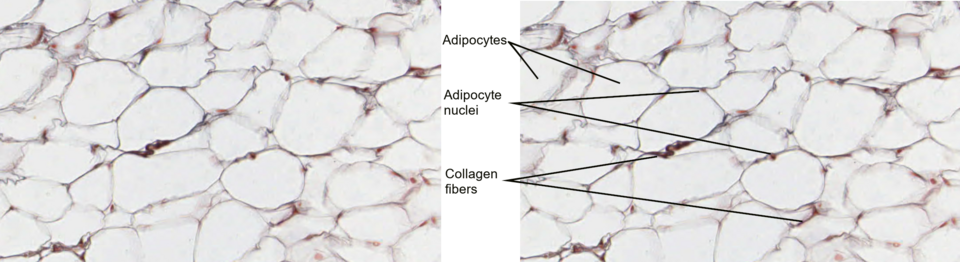
The research team, which included scientists from UCLA, focused their investigation on white adipose tissue, the body's primary fat-storage tissue. White adipose tissue stores excess energy and is a major contributor to belly fat accumulation. Scientists had previously known that existing fat cells can enlarge as people age. The City of Hope team suspected something else was also happening: the body was generating entirely new fat cells, not just expanding existing ones.
To test that idea, the researchers studied adipocyte progenitor cells, a type of stem cell found within fat tissue that can mature into fully developed fat cells. They transplanted these cells from both young and older mice into a separate group of young mice.
The results were described as striking. Adipocyte progenitor cells taken from older animals generated far more fat cells than those taken from younger animals. The experiments were later supported by studies of human cells.
Excess belly fat carries consequences beyond appearance. It has been linked to slower metabolism, accelerated aging, type 2 diabetes, heart disease, and other chronic health conditions. Understanding what drives its accumulation could eventually point toward new treatment strategies.
The researchers described the discovery as a potential target for future anti-obesity treatments. By identifying the stem cell type responsible for accelerating fat cell production in aging tissue, scientists may be able to develop therapies that interrupt that process and reduce abdominal fat accumulation in older adults.