A deadly strain of H5N1 bird flu has been detected in seabirds in two Australian states, and a veterinary expert says poultry outbreaks could follow within four to five weeks. The warning comes based on patterns seen in other countries where the virus moved from wild birds into domestic and farm flocks within two to six weeks of first detection.
According to reporting by Phys.org, the virus was first identified in Australia on June 20. Two infected birds were found alive in Western Australia and South Australia. Experts believe the virus may have arrived earlier than that date, since the bird species involved tend to travel from the sub-Antarctic region beginning in March.
The H5N1 strain has been described as a highly infectious zoonotic disease, meaning it can move between multiple animal species and, on occasion, to humans. One veterinary researcher who has worked on H5N1 since 2004 described a significant turning point in 2023 and 2024, when the virus moved from wild birds into poultry farms and high-density dairy farms in Texas, Kansas, Michigan and Idaho.
Transmission has also occurred between cattle and cats. Some cats that fed on infected cow colostrum, which is the first milk a mammal produces after giving birth, later died. The virus has also caused the deaths of thousands of seal pups on Heard Island in the sub-Antarctic region over the past three years, as well as widespread cases in Peru, Chile and southern Antarctica.
The World Organization for Animal Health tracks global reports of the virus through a system called WAHIS. Analysis of that data shows that in Denmark, for example, it took just over three weeks between the first detection in wild birds and the first report in poultry. The average across countries ranges from two to six weeks.
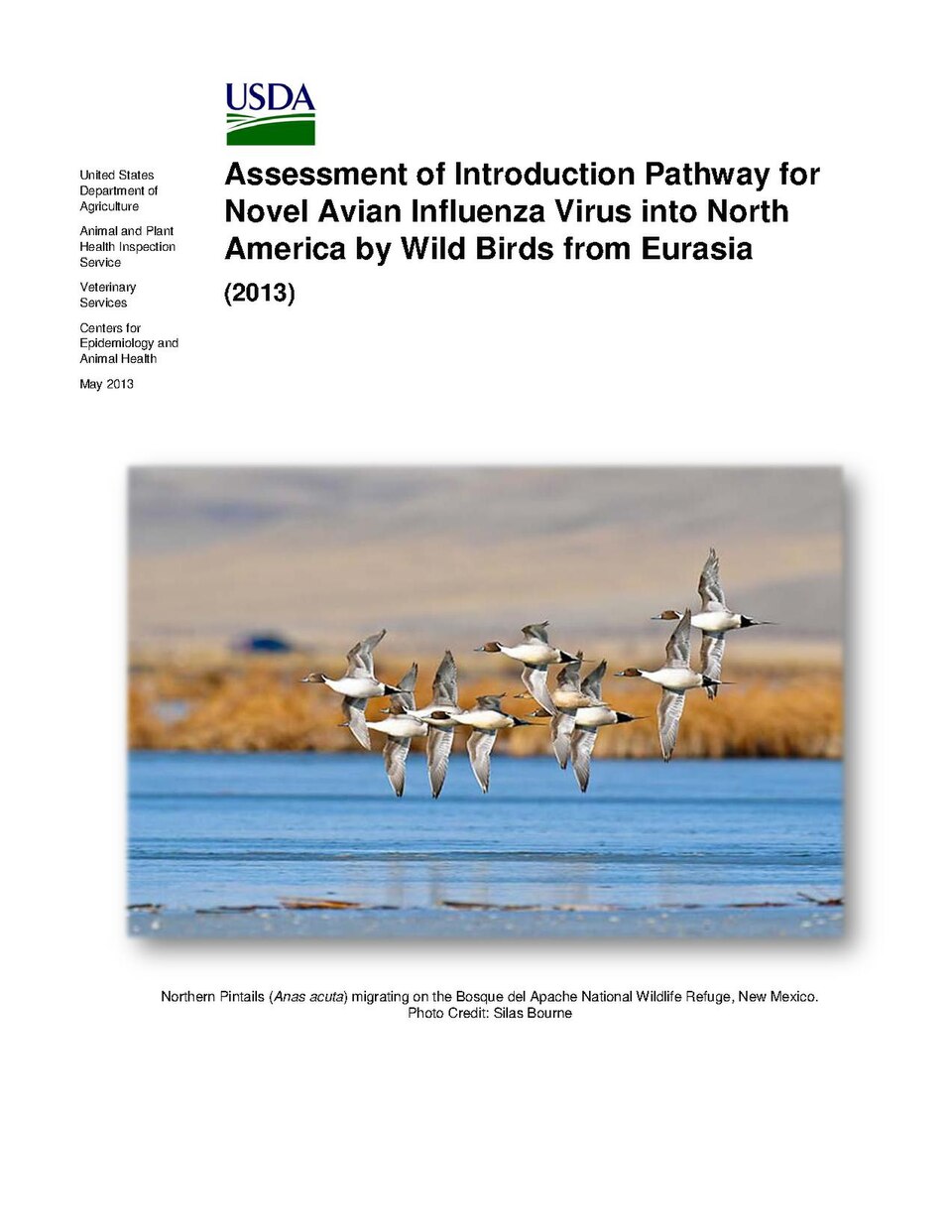
Australian authorities had initially expected the virus to arrive from the north, carried by migratory shorebirds from Asia. The presence of infected birds from the sub-Antarctic direction suggests a different pathway than anticipated.
The timing also fits a known pattern. H5N1 transmits most easily in cold weather. In China, the virus historically emerged around the period of Chinese New Year, when low temperatures and high demand for poultry coincided. Australia's current winter conditions could create similar circumstances.
Backyard chicken keepers and pet owners, particularly those in homes where chickens and cats share space, are being advised to watch for signs of the virus now. The expert writing on the subject called the current moment a time to think about how to respond before outbreaks are confirmed in domestic flocks.
No poultry outbreaks in Australia had been reported as of the date the source material was published. Surveillance and monitoring are ongoing across both affected states.