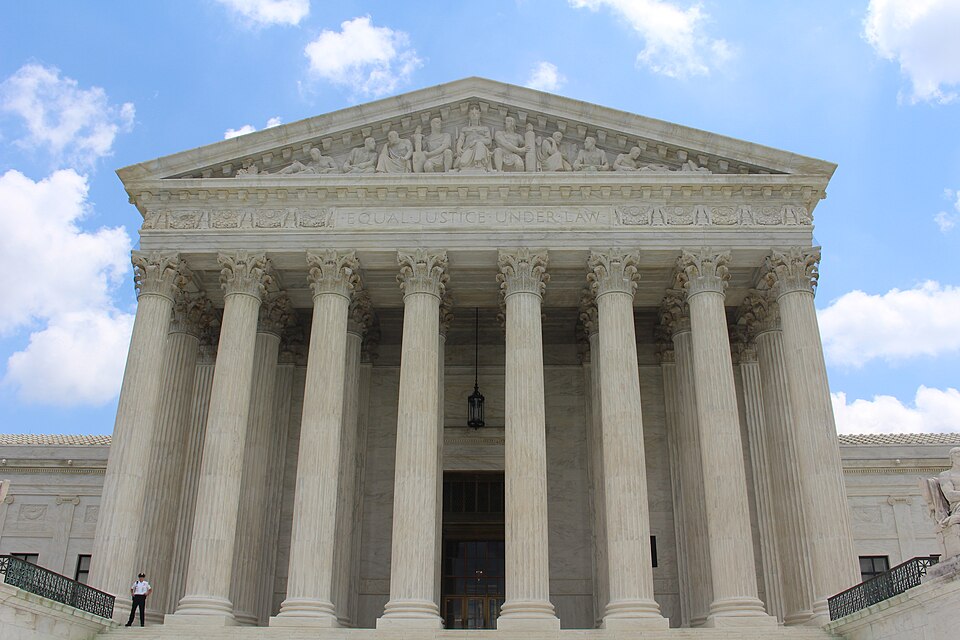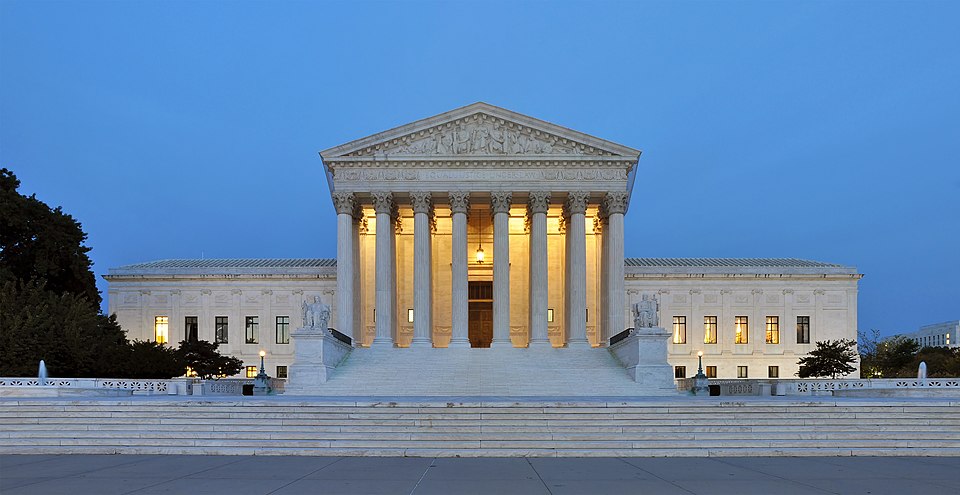
Today is the last day of the Supreme Court's current term. Major rulings are expected, including a decision that could reshape how the United States grants citizenship to people born on its soil.
The case centers on President Trump's executive order to deny citizenship to children born in the U.S. whose parents entered the country illegally or are on temporary visas. At the heart of the challenge is the 14th Amendment, which states, "All persons born or naturalized in the United States and subject to the jurisdiction thereof, are citizens of the United States."
According to NPR, a ruling in favor of Trump could overturn more than a century of legal precedent and create logistical challenges for millions of mixed-status families. A ruling against Trump would mark a setback for one of his central immigration campaign promises.
NPR's Ximena Bustillo told the Up First podcast that even if the court supports birthright citizenship, immigrant advocates say families may still face difficult decisions about whether to stay together. The administration has been narrowing legal pathways into the country, and the fact that these cases have reached the Supreme Court reflects that broader effort.
The birthright citizenship case is not the only high-stakes ruling expected today. Two additional cases involve bans on transgender athletes competing in sports.
Last week, the court also gave the administration more power to end the Temporary Protected Status program, particularly for Haitians and Syrians. Bustillo noted that some TPS recipients have children who are U.S. citizens, placing them directly in the middle of the birthright citizenship debate.
A series of other decisions came down Monday as well. The justices upheld grace periods for mail-in ballots, took a significant step against much of the federal government's regulatory framework, cemented the president's power to remove members of independent agencies at will, limited law enforcement's use of geofencing warrants, and rejected Trump's attempt to fire Lisa Cook, a member of the Federal Reserve governing board.